All about PROTEINS
Our dear mother Nature has provided us with various food options; all of which have a varied nutritional profile. Every nutrient has a specific role to play in our body. Amongst them, proteins have always intrigued us because of their functions, properties and usages.
Proteins are of prime importance in the structure and function of all living cells. As bricks join to make a wall, amino acids bind together to make proteins. 20 amino acids in all, out of which 8 are essential (need to be there in the diet) and rest are non-essential (our bodies can synthesise them). A protein that contains all 8 essential amino acids in the required amounts is called a 'complete protein' (sometimes referred to as high-quality or first-class protein). The body requires these proteins the most during periods of growth (e.g., adolescence, pregnancy) and physiological stress (e.g., illness, pregnancy, surgery, burns, etc.). Complete proteins include proteins of animal origin like milk & its products, egg, meat, fish, chicken, etc.
Does that mean plant proteins are different from animal proteins?
Majorly yes. Animal proteins are superior to plant as they provide better quality protein, but vegetarians should not lose heart. They can also improve the quality of protein they take by making simple combinations like cereals with pulses or milk & milk products in the ratio of 3:1 e.g. Rice and Dal, Chapatti (made using wheat flour and chana flour), breakfast cereals with milk, Curd rice, khichri, etc. Vegetarian foods like pulses, soybeans, quinoa and few millets if included in adequate amounts, can help bridge the gap.
Role of protein in our body
- Body Building: This is the primary function of proteins i.e. tissue growth and maintenance. Proteins are present in all parts of our body be it muscles, bones, skin, blood, hair or other organs.
- As Enzymes: Our body contains enzymes that digest the food we eat and enable various internal reactions. Most of these enzymes are proteins in nature. E.g. amylase, lipase.
- As Carriers: An important carrier of the body, haemoglobin (which carries oxygen) is a protein in nature. Proteins must bind to fats for the body to transport them.
- As Hormones: The human body produces many hormones, most of which are proteins, for example, insulin.
- As structural units: Lots of our organs are mainly made of proteins. E.g. liver: it has 50-60% of protein, muscles have 20% protein, keratin (which makes hair and skin), melanin (which gives colour to the skin) are all proteins.
The above list is non-exhaustive, and we can see that apart from pumping our muscles; proteins are also essential for our general well being. Lots of factors; such as age, physical activity, and physiological condition, determine how much protein to include in the diet.
Factors that affect protein requirement:
- Age: At certain periods of life when growth is rapid a person requires more dietary protein e.g. infancy (0-12 months), pre-school years, adolescence, etc.
- Current Nutritional Status: A person with a protein deficiency will have a higher protein requirement than a well-nourished person.
- Physical Activity: An increase in physical activity calls for increased protein intake.
- Weight and Height: For a normal weight person, a protein intake of 0.8g / kg body weight / day is required to fulfil the daily needs. E.g. a 60 kg person needs around 48 g protein daily.
- Physiological Condition: Certain physiological conditions require increasing or decreasing protein intake. During pregnancy, lactation, and recovery after disease or injury, people need to increase their protein intake, whereas liver or kidney diseases require them to decrease or closely monitor their protein intake.
Sources of proteins
Milk and milk products, nuts and oilseeds (flax, sesame, sunflower, etc.), pulses and legumes, beans, egg, flesh foods like lean meat, fish, chicken, etc. Drumstick leaves are an exception, being the only leafy greens rich in protein.
If your protein intake is more than what you require: Our body needs proteins for numerous functions. After fulfilling these needs, the body removes the excess. The liver processes this excess protein, and the kidneys then remove it through urine. While the body must process excess protein, research shows that healthy kidneys and liver can effectively handle higher protein intakes. However, individuals with existing kidney or liver conditions may need to monitor their protein consumption under medical supervision.
Also, a diet high in meat can contribute to high cholesterol levels or other diseases such as gout (gathiya).
The relationship between animal protein and bone health is complex. While older studies suggested potential negative effects, more recent research indicates that adequate animal protein intake, when combined with sufficient calcium, may actually support bone health. The potential connection to kidney stones depends on overall diet pattern, hydration, and individual factors.
Both animal and plant proteins can contribute to a healthy diet, with plant proteins offering additional benefits from fibre and phytonutrients.
Deficiency of protein though rare can be life-threatening: Severe protein deficiency primarily affects growing children in developing countries.. This could affect their growth and can even be life-threatening. Various diseases, pregnancy, lactation, and other conditions can cause mild protein deficiency.
A nutritionally balanced diet provides adequate protein. Approximately 12-14% of the day’s total calories should be derived from proteins. 2-3 servings of protein-rich foods are capable of meeting the daily needs of most adults. Protein supplements though might be needed by those with increased demands (illness, injury, physically active people, etc.).
For more on comparison of proteins from soybean, whey and casein.
Image Courtesy: Protein by Nick Youngson CC BY-SA 3.0 Alpha Stock Images

Shruti Marjara Kushwaha
Nutritionist & Founder, NutriMantra
Shruti blends evidence-based nutrition with practical Indian food guidance, shaped by experience across AIIMS, VLCC, HealthKart, research, counselling, and long-term lifestyle support.
Need help applying this to your routine?
Book a consultation with Shruti for practical, personalised nutrition guidance tailored to your goals, food preferences, and health conditions.
Frequently Asked Questions
What are some good vegetarian sources of complete proteins in Indian cuisine?
How much protein do I need daily as an Indian adult?
Are plant proteins inferior to animal proteins?
What role do proteins play in recovery after illness or surgery?
Learn with Shruti


Related Articles
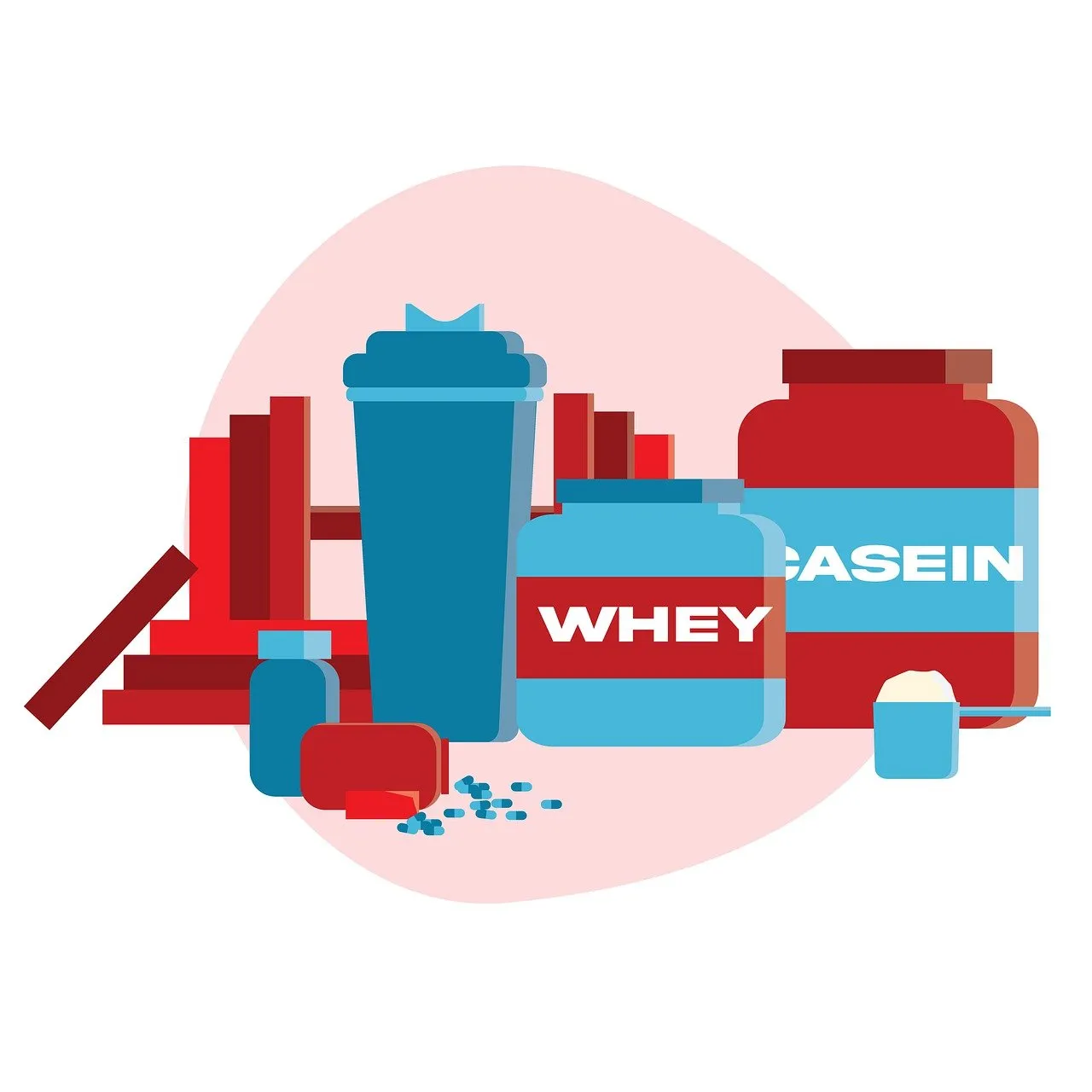
Proteins: Whey, Soy, Casein..... Decoded
My mother's colleague has been worried for the past few days and the cause of this.... Her 16-year-old son wants to take protein shakes for bodybuilding.
Read article →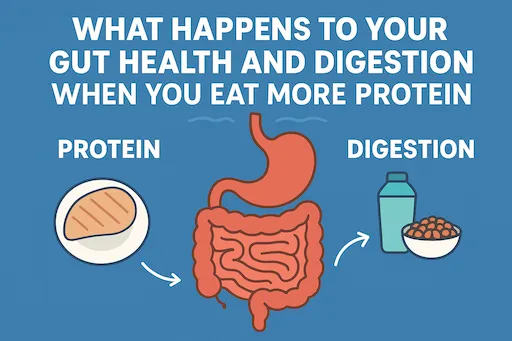
What Happens to Your Gut Health When You Eat More Protein
Protein has become the darling of the nutrition world, from shakes to high-protein diets promising weight loss and boundless energy.
Read article →
Embracing Quinoa in the Indian Diet
A Nutritional Comparison and Climate Consideration In a country as diverse as India, where culinary traditions span centuries and regional flavours vary from n…
Read article →Comments (3)
Leave a Comment
Your comment will appear after moderation.
Daleep Singh Rai · Jan 27, 2021 01:06 PM
Thanks for the Article, it provides very useful information on Proteins. I am sure I will be more conscious in diet wrt proteins from now on!
Sugandha · Jan 27, 2021 05:16 PM
A detailed explanation of protein. Good article
Shruti · Mar 03, 2021 11:35 AM
Thank you for the kind words.