Are Seed Oils Really That Bad? Breaking Down the Debate
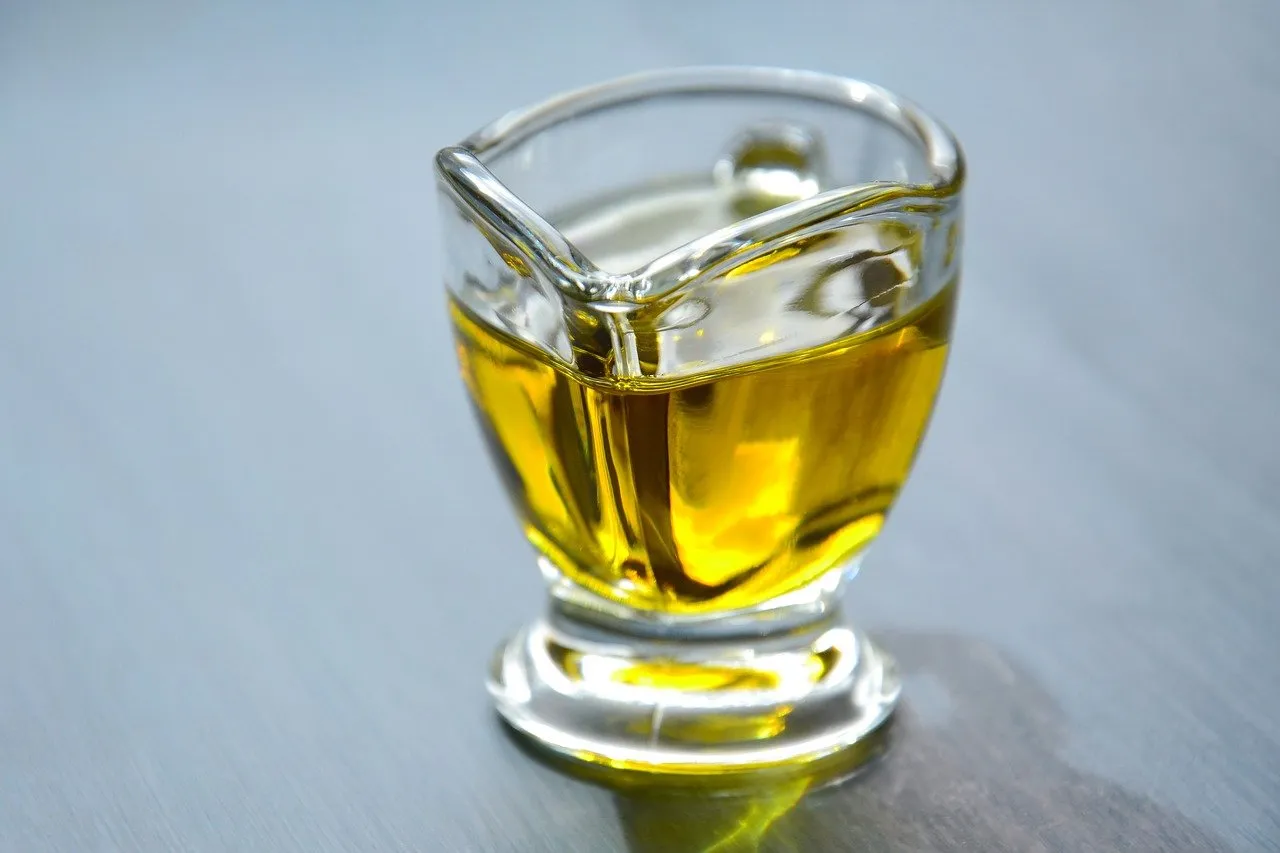
Our grandmothers and mothers used seed oils in their cooking. Now, social media says they are toxic. So… what’s safe to use for your food?
Seed oils have quietly sat in our kitchen cabinets for decades, until now. Suddenly, influencers, YouTubers, and some health coaches are ringing alarm bells:
“Seed oils are toxic!”
“They cause inflammation, heart disease, and even cancer!”
“You should throw out every drop of it.”
Big claims. But how much of this is true? And how much is just wellness noise? Let’s clear the air.
What Are Seed Oils?
Seed oils are made by extracting oil from the seeds of plants, like sunflower, safflower, soybean, canola, corn, and cottonseed. You’ll find them in: Cooking oils, Packaged snacks, Mayonnaise and salad dressings, Baked goods, Restaurant fried food, to name a few.
They’re high in polyunsaturated fats (PUFAs), especially omega-6 fatty acids, which is the heart of the controversy.
The Inflammation Controversy: Myth vs. Science
One of the most common accusations against seed oils is that they “cause inflammation,” which leads to heart disease, obesity, and chronic illness.
But what does science say? Yes, omega-6 fats in excess can contribute to inflammation if your diet is already deficient in omega-3s.
Seed oils themselves aren't inherently inflammatory. In fact, a 2020 review in Nutrients found no link between linoleic acid (a common omega-6 in seed oils) and increased inflammation markers. The American Heart Association recommends replacing saturated fats with PUFAs like those found in seed oils to improve heart health.
The real problem?
Ultra-processed, refined oils are used in packaged and fried foods. They are often heated multiple times, stored in poor conditions, and stripped of nutrients.
Healthier Ways to Use Oils
If you are worried about seed oils, here's what helps:
? Use cold-pressed oils
Cold-pressed means fewer chemicals, better nutrient retention.
Best picks:
- Mustard oil (traditional, rich in MUFAs)
- Groundnut (peanut) oil
- Extra virgin olive oil
- Avocado oil (for high-heat cooking)
? Avoid deep-frying repeatedly with the same oil
Reheating degrades PUFAs, creating harmful compounds.
? Read labels on snacks and sauces
“Refined vegetable oil” = likely poor-quality seed oil
How Much Oil Should You Consume?
1 tablespoon of oil = 120 calories.
The general guideline: 3–5 teaspoons (15–25g) of visible oil per day for an adult. That includes cooking oil, salad dressings, and even the tadka on your dal.
Hidden fats from packaged food? That’s extra.
The Balanced Approach to Fat
Instead of asking “Is this oil good or bad?”, ask:
- Am I eating too many fried or packaged foods?
- Do I have a variety of fats in my diet?
- Am I balancing omega-6 (from oils) with omega-3 (from seeds, walnuts, flax, fish)?
Healthy fat consumption is about diversity, quality, and moderation.
Final Thoughts
Seed oils have their place, especially when used in their cold-pressed, unrefined, and home-cooked form.
It is the overuse, the poor-quality versions in processed food, and the internet-fueled panic that need fixing, not the seed oils themselves.
So instead of swinging from one oil trend to another, focus on eating real food, cooking at home, and using oils wisely.
Because balance, not fear, is what good nutrition is made of.

Shruti Marjara Kushwaha
Nutritionist & Founder, NutriMantra
Shruti blends evidence-based nutrition with practical Indian food guidance, shaped by experience across AIIMS, VLCC, HealthKart, research, counselling, and long-term lifestyle support.
Need help applying this to your routine?
Book a consultation with Shruti for practical, personalised nutrition guidance tailored to your goals, food preferences, and health conditions.
Frequently Asked Questions
Are seed oils like sunflower and soybean oil harmful for Indian cooking?
What are healthier alternatives to seed oils for Indian dishes?
Is it true that seed oils cause inflammation and heart disease?
How can I incorporate healthier oils into my daily Indian meals?
Learn with Shruti


Related Articles
Are You Cooking the Nutrition Out of Your Food?
Cooking doesn’t automatically drain nutrition. Use less water, avoid overcooking, and remember that dal, sambar and curries retain nutrients in their cooking liquid.
Read article →
The Impact of Sugar on Your Body: Beyond Weight Gain
Cutting added sugar can smooth energy swings and help brain clarity; in India, swap sweetened coffee and juices for fruit, protein, and fiber.
Read article →
Menopause & Nutrition: Bones, Weight & What to Actually Eat
> The women who do best through perimenopause aren't the ones who change everything. They understand what's happening and make...
Read article →
Comments (0)
No comments yet. Be the first to share your thoughts.
Leave a Comment
Your comment will appear after moderation.