Embracing Quinoa in the Indian Diet
A Nutritional Comparison and Climate Consideration
In a country as diverse as India, where culinary traditions span centuries and regional flavours vary from north to south, the introduction of a new food staple sparks curiosity and debate. Quinoa, a nutrient-rich grain native to South America, has gained popularity worldwide for its exceptional nutritional profile. However, in the context of the Indian diet and climate, is quinoa a worthy addition to the plate?
Let's explore this question by comparing quinoa with traditional Indian staples and considering its suitability in the Indian culinary landscape and climate.
Nutritional Comparison
Quinoa, often touted as a superfood, offers a compelling nutritional profile that stands up well against traditional Indian staples like rice and wheat. While rice and wheat serve as primary sources of carbohydrates in the Indian diet, quinoa offers a unique advantage with its complete protein composition, containing all nine essential amino acids. This makes quinoa an excellent option, especially for vegetarians and vegans who may struggle to meet their protein needs. Additionally, quinoa boasts a higher fibre content compared to refined grains like polished rice, contributing to better digestive health and blood sugar regulation.
Climate Consideration
One of the key factors to consider when evaluating the suitability of quinoa in the Indian diet is its adaptability to the local climate. Farmers traditionally cultivate quinoa in the high-altitude regions of the Andes, where it thrives in cooler temperatures and well-drained soils. In contrast, the climate across most of India varies widely, with regions experiencing tropical, subtropical, and temperate climates. While quinoa can be grown in certain parts of India, its cultivation may not be feasible or economically viable in all regions, especially those with high humidity and rainfall.
Integration into Indian Cuisine
Despite its origins in South America, quinoa's versatility makes it adaptable to Indian cuisine, offering a modern twist to traditional dishes. You can incorporate quinoa into various Indian recipes, replacing rice or wheat in dishes like pulao, khichdi, or even roti. It is mild, nutty flavour pairs well with Indian spices and ingredients, adding a nutritious boost to familiar flavours. Moreover, quinoa's gluten-free status makes it an attractive option for individuals with celiac disease or gluten intolerance, providing an alternative to wheat-based staples.
Should Quinoa be Considered?
While quinoa brings undeniable nutritional benefits to the table, its integration into the Indian diet requires careful consideration of factors such as availability, affordability, and environmental sustainability. While quinoa cultivation is feasible in certain regions of India, its widespread adoption may face challenges due to climatic constraints and the dominance of traditional grain crops. However, as dietary preferences evolve and awareness of healthful eating grows, quinoa's popularity in India may continue to rise, offering a valuable addition to the diverse tapestry of Indian cuisine.
In the dynamic landscape of Indian food culture, the introduction of quinoa presents both opportunities and challenges. While its nutritional superiority and culinary versatility make it an appealing choice for health-conscious consumers, its suitability in the Indian context hinges on factors such as climate adaptation, agricultural feasibility, and cultural acceptance.
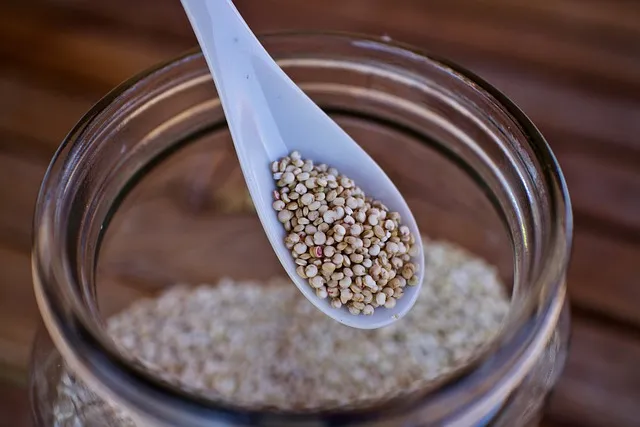
Image by Luisella Planeta LOVE PEACE ?? from Pixabay

Shruti Marjara Kushwaha
Nutritionist & Founder, NutriMantra
Shruti blends evidence-based nutrition with practical Indian food guidance, shaped by experience across AIIMS, VLCC, HealthKart, research, counselling, and long-term lifestyle support.
Need help applying this to your routine?
Book a consultation with Shruti for practical, personalised nutrition guidance tailored to your goals, food preferences, and health conditions.
Frequently Asked Questions
Is quinoa a good substitute for rice in Indian dishes?
Can quinoa be grown in India, and is it suitable for Indian climate?
What are the health benefits of including quinoa in an Indian vegetarian diet?
How can I incorporate quinoa into traditional Indian recipes?
Learn with Shruti



Related Articles

What Happens to Your Gut Health When You Eat More Protein
Protein has become the darling of the nutrition world, from shakes to high-protein diets promising weight loss and boundless energy.
Read article →
Beyond Chapatis and Rice: Rediscovering the Magic of Cereals
Cereals, the most dominant and important part of our meals, is the staple food in the diets of most population groups.
Read article →
Proteins: Whey, Soy, Casein..... Decoded
My mother's colleague has been worried for the past few days and the cause of this.... Her 16-year-old son wants to take protein shakes for bodybuilding.
Read article →
Comments (0)
No comments yet. Be the first to share your thoughts.
Leave a Comment
Your comment will appear after moderation.