Fighting Inflammation With Food
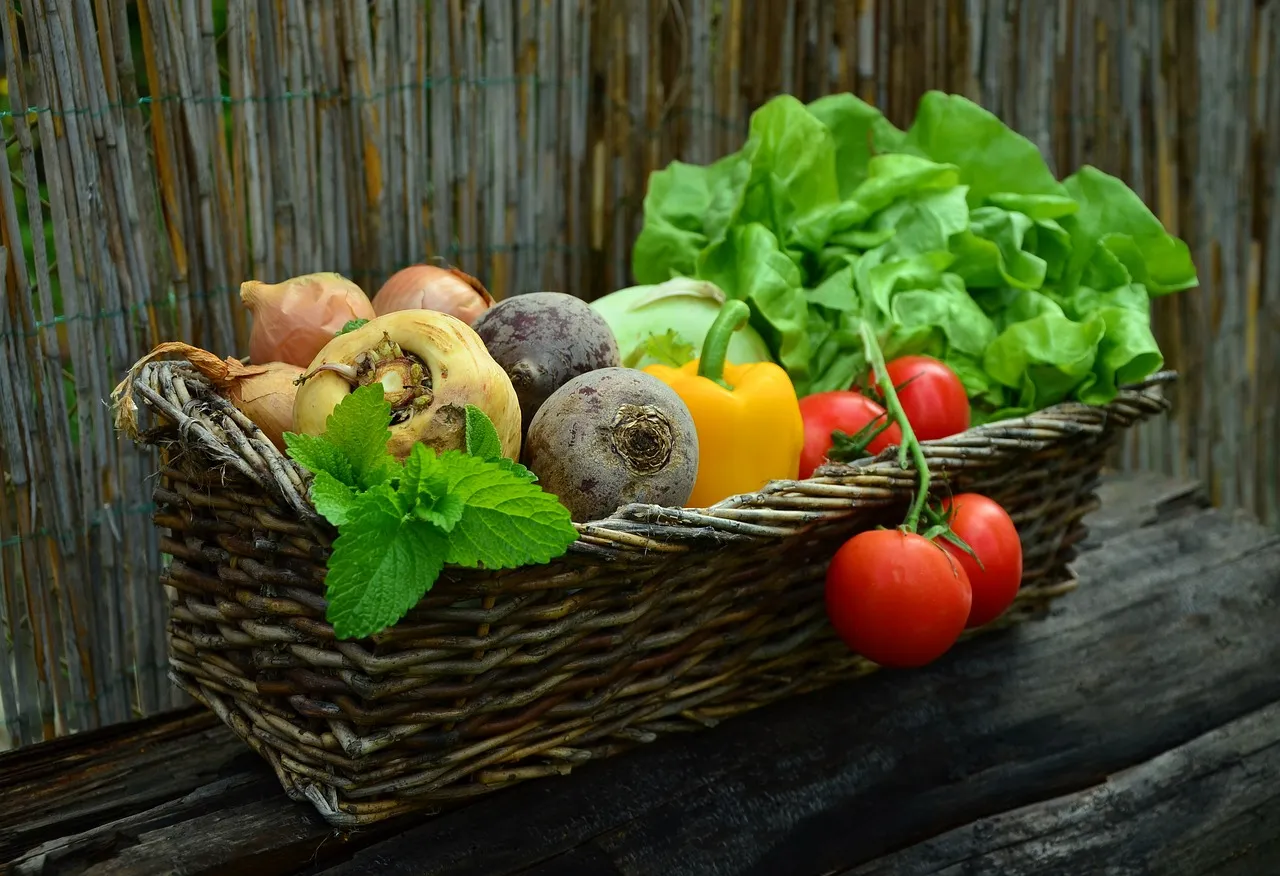
Inflammation serves as a double-edged sword, acting as the body's natural response to injury or infection while aiding in tissue healing and protection. However, when inflammation becomes chronic, it can lead to various health issues such as heart disease, arthritis, and diabetes. The good news is that one of the most powerful tools to fight inflammation lies right on our plates: food.
Nutrition plays a pivotal role in regulating inflammation levels in the body. Numerous studies have highlighted the impact of specific foods in reducing inflammation and promoting overall health.
What to add to fight inflammation with food
A major aspect of an anti-inflammatory diet is the incorporation of omega-3 fatty acids. These essential fats, found in fish like salmon, and sardines, seeds like flax and chia seeds, walnuts, and soybeans possess potent anti-inflammatory properties.
Another dietary hero in the fight against inflammation is the vibrant world of colourful fruits and vegetables. Phytonutrients in fruits and vegetables possess anti-inflammatory properties, reducing the risk of chronic diseases. The advice to 'eat the rainbow' of plant-based foods holds true for an anti-inflammatory diet.
Turmeric, a golden spice commonly used in Indian cuisine, has gained attention for its potent anti-inflammatory compound called curcumin. Incorporating this golden spice into meals can rival the effects of certain anti-inflammatory medications without accompanying side effects, as evidenced by scientific research.
The Mediterranean diet, rich in olive oil, nuts, and whole grains, and abundant in fruits and vegetables, has been extensively studied for its anti-inflammatory effects. Research consistently supports its role in curbing inflammation and lowering the risk of chronic diseases.
Research published in the Journal of the American College of Cardiology supports the role of diet in reducing inflammation. The study found that following an anti-inflammatory diet lowered inflammatory marker levels, thereby reducing the risk of cardiovascular diseases.
It is essential to note that while these foods can help combat inflammation, an overall balanced diet is crucial for optimal health.
What to avoid
Refined sugars found in sodas, pastries, and processed foods trigger an inflammatory response in the body. These sugary culprits are best minimised or avoided to crush inflammation.
Processed meats and high-fat dairy products are also linked to increased inflammation. Saturated fats and additives contribute to elevated levels of inflammatory markers, potentially heightening the risk of chronic diseases. Trans fats, commonly found in fried and packaged foods, are notorious for their pro-inflammatory effects. These fats not only fuel inflammation but also interfere with the body's natural anti-inflammatory mechanisms.
While specific foods wield the power to combat inflammation, it is equally crucial to steer clear of inflammatory culprits. An anti-inflammatory diet emphasises omega-3-rich foods, colourful fruits and vegetables, turmeric, and embraces the principles of the Mediterranean diet. Minimising or avoiding processed sugars, high-fat dairy, processed meats, and trans fats plays an equally crucial role to fight inflammation. These are your tools to fight inflammation with hood.
Your dietary choices are more than just meals; they are potent tools for nurturing a healthier disease-free life. Whether adding anti-inflammatory foods or minimising inflammatory triggers, every bite counts toward harnessing the natural healing power of food.

Shruti Marjara Kushwaha
Nutritionist & Founder, NutriMantra
Shruti blends evidence-based nutrition with practical Indian food guidance, shaped by experience across AIIMS, VLCC, HealthKart, research, counselling, and long-term lifestyle support.
Need help applying this to your routine?
Book a consultation with Shruti for practical, personalised nutrition guidance tailored to your goals, food preferences, and health conditions.
Frequently Asked Questions
What Indian foods can help reduce inflammation?
How can I create an anti-inflammatory diet with Indian cuisine?
What should I avoid in my diet to reduce inflammation?
Is the Mediterranean diet suitable for Indians looking to fight inflammation?
Learn with Shruti


Related Articles
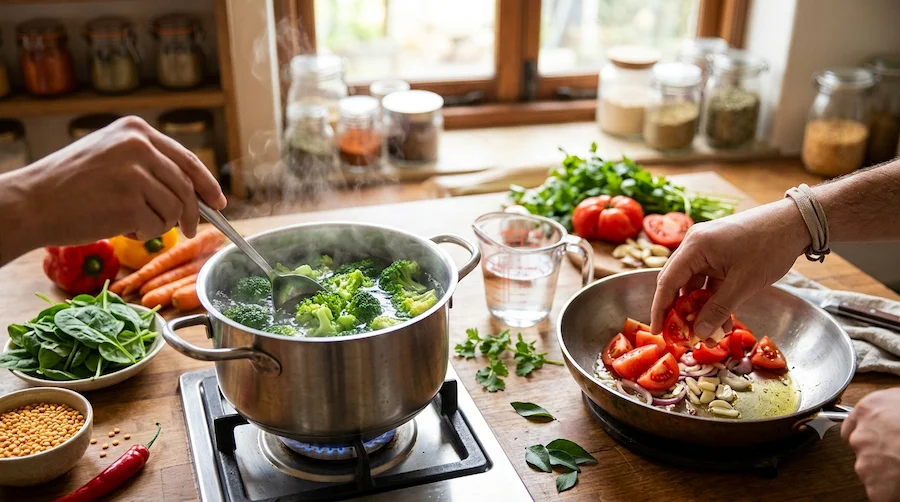
Are You Cooking the Nutrition Out of Your Food?
Cooking doesn’t automatically drain nutrition. Use less water, avoid overcooking, and remember that dal, sambar and curries retain nutrients in their cooking liquid.
Read article →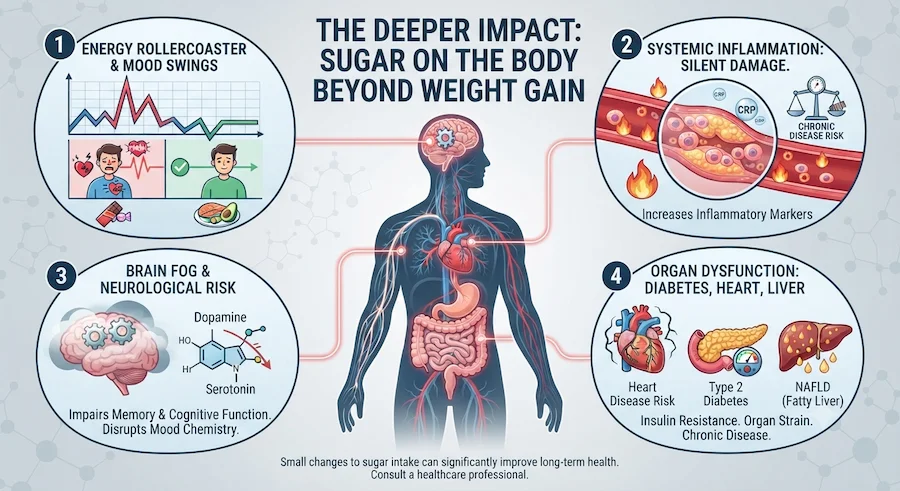
The Impact of Sugar on Your Body: Beyond Weight Gain
Cutting added sugar can smooth energy swings and help brain clarity; in India, swap sweetened coffee and juices for fruit, protein, and fiber.
Read article →
Menopause & Nutrition: Bones, Weight & What to Actually Eat
> The women who do best through perimenopause aren't the ones who change everything. They understand what's happening and make...
Read article →
Comments (0)
No comments yet. Be the first to share your thoughts.
Leave a Comment
Your comment will appear after moderation.