Heart-Healthy Checklist: What to Eat & What to Avoid
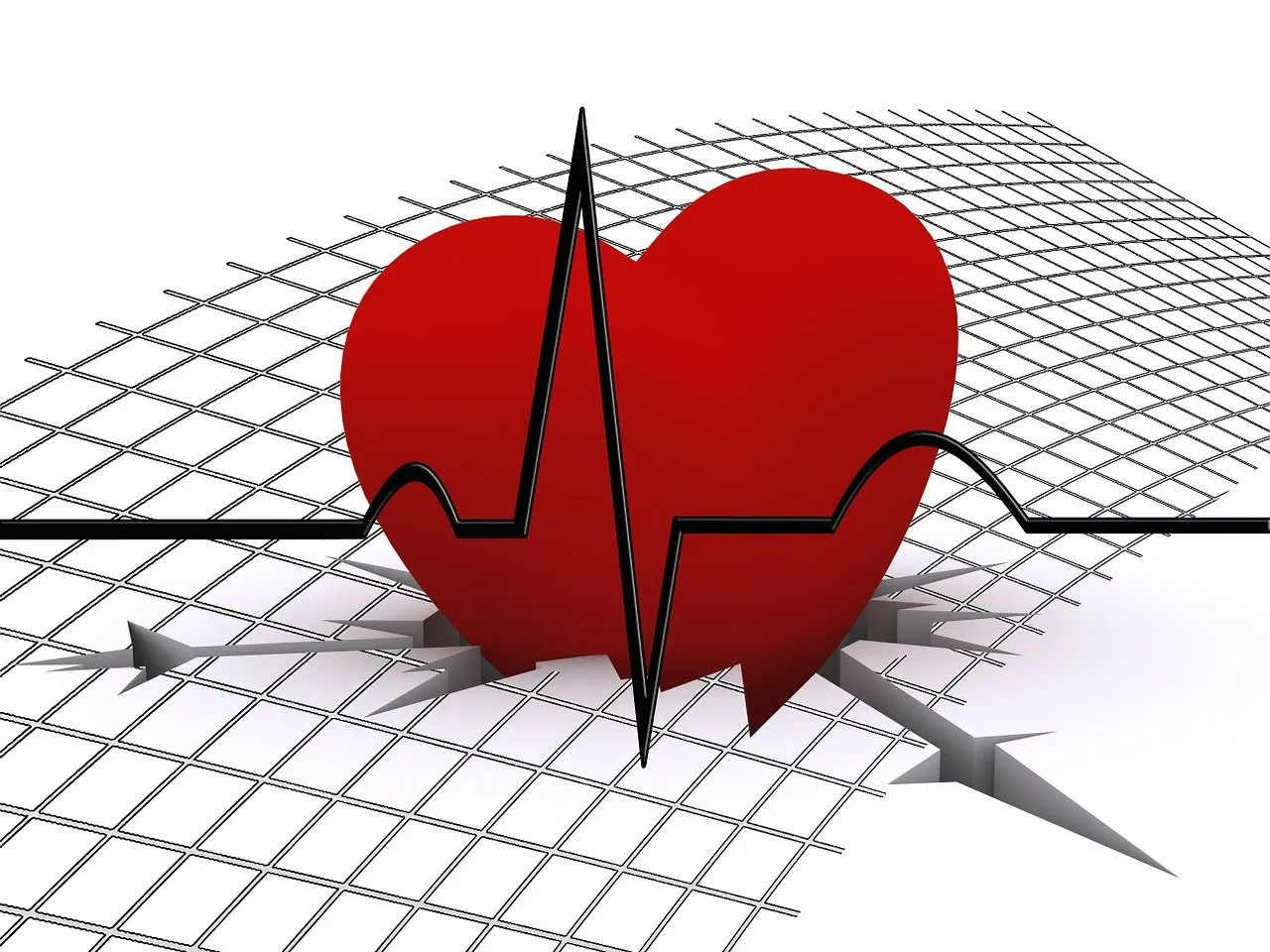
Your Simple Checklist for a Heart-Healthy Life
High cholesterol can quietly build up over time and become a serious risk for heart disease, stroke, and more. But the good news is: your plate can be your most powerful medicine. Here's a simple, no-fuss guide to help you make smarter food choices and keep your cholesterol levels in check. In simple words, what to eat for a heart-healthy life.
Foods to Limit or Avoid
These foods are high in saturated and trans fats, which raise LDL (bad) cholesterol:
- Trans fat foods – commercially baked goods, some margarines, fried fast foods, and anything with "partially hydrogenated oils"
- High saturated fat foods – full-fat dairy products (whole milk, cream, butter, high-fat cheese), fatty cuts of meat
- Processed and cured meats – bacon, sausages, hot dogs, deli meats, ham
- Deep-fried foods – samosas, pakoras, fried chicken, French fries, chips
- Baked goods made with solid fats – many commercial cakes, pastries, cookies, and biscuits
- Organ meats – liver, kidney, brain (high in both cholesterol and saturated fat)
- Rich sauces and creamy dips – especially those made with full-fat dairy or mayonnaise
- Sugary beverages – sodas, energy drinks, fruit drinks with added sugar
- Alcoholic drinks – limited consumption (if you drink)
- Solid cooking fats – lard, ghee, dalda, coconut oil, palm oil (use sparingly)
Foods You Can Enjoy in Moderation
These are better choices that can be part of a heart-healthy diet:
- Low-fat dairy – skim or 1% milk, low-fat yoghurt, reduced-fat cheese
- Lean proteins – skinless poultry, fish, lean cuts of beef or pork (trimmed of visible fat)
- Eggs – up to 6-7 whole eggs per week for most people (egg whites can be eaten daily)
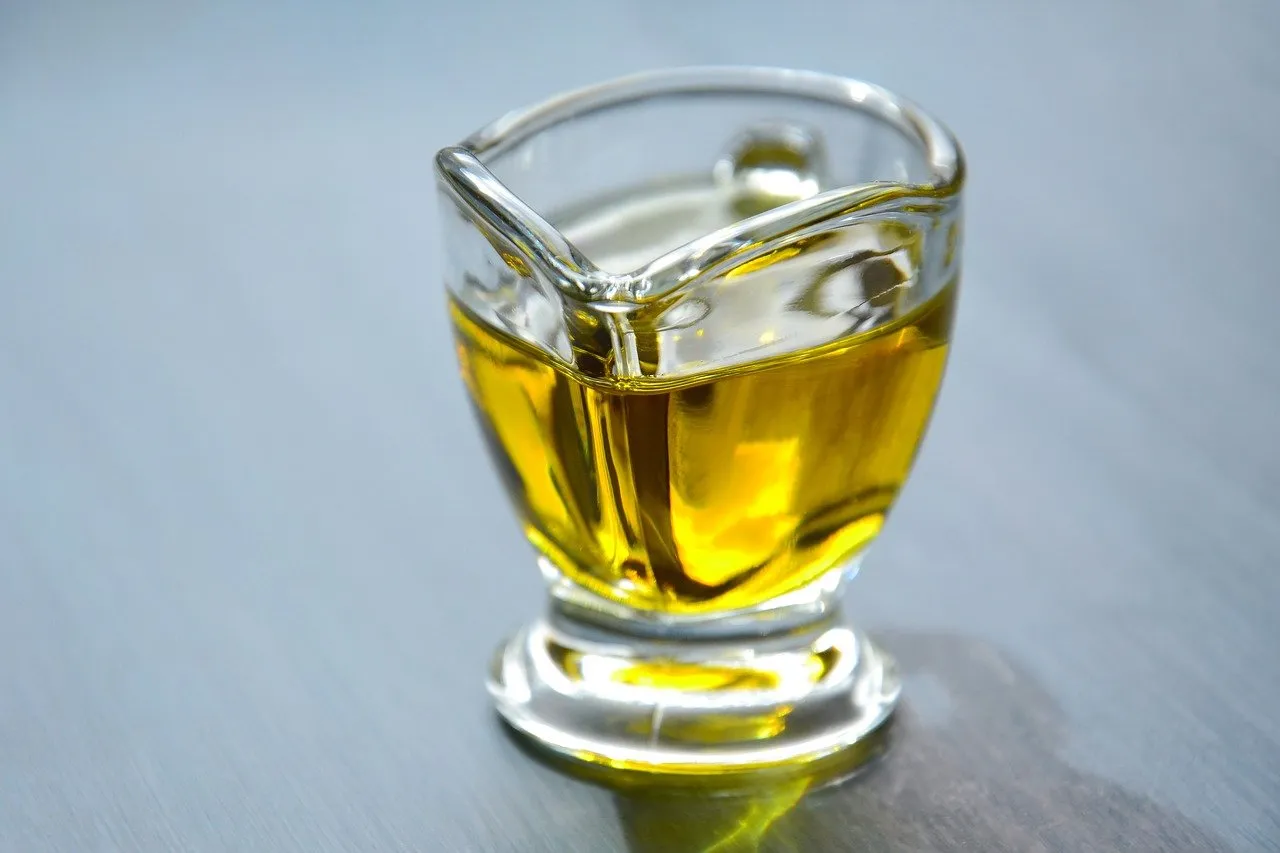
- Healthy cooking oils – olive oil, canola oil, sunflower oil, or other liquid vegetable oils (in moderation)
- Nuts and seeds – raw or dry-roasted almonds, walnuts, flaxseeds (4-5 almonds daily is a good start)
- Whole grains – brown rice, whole wheat bread, oats, quinoa
- Natural sweeteners – honey, maple syrup (use sparingly)
Foods to Eat Freely
These foods actively help improve your cholesterol profile and are heart-healthy:
- Fibre-rich vegetables – broccoli, Brussels sprouts, carrots, beets, beans, lentils, bottle gourd
- Fresh fruits – especially those high in soluble fibre like apples, pears, citrus fruits, and berries
- Oats and barley – excellent sources of soluble fibre that help lower LDL cholesterol
- Fatty fish – salmon, mackerel, sardines, tuna (2-3 times per week for omega-3s)
- Legumes – beans, lentils, chickpeas, split peas
- Raw vegetables – cucumbers, tomatoes, leafy greens
- Clear vegetable broths – without added cream or excess oil
- Green tea – rich in antioxidants
- Avocados – in moderation, a great source of healthy monounsaturated fats
Special Note for High Blood Pressure
If you also have high blood pressure:
- Reduce sodium – limit salt in cooking and avoid adding salt at the table
- Read labels carefully – watch for hidden sodium in processed foods, canned goods, and condiments
- Avoid high-sodium foods – pickles, canned soups, processed sauces, cured meats, bakery items with baking soda
- Choose fresh over processed – fresh vegetables over canned, fresh meats over processed
Key Takeaways
- Focus on fibre – soluble fibre actively helps lower cholesterol
- Choose healthy fats – replace saturated fats with unsaturated fats when possible
- Emphasise whole foods – fruits, vegetables, whole grains, and lean proteins
- Limit processed foods – they are often high in unhealthy fats, sodium, and added sugars
- Stay active – combine healthy eating with regular physical activity for the best results
Eating for your heart doesn't have to be boring or restrictive. With these evidence-based guidelines, you can take charge of your cholesterol while still enjoying delicious, satisfying meals!
Image by Gerd Altmann from Pixabay

Shruti Marjara Kushwaha
Nutritionist & Founder, NutriMantra
Shruti blends evidence-based nutrition with practical Indian food guidance, shaped by experience across AIIMS, VLCC, HealthKart, research, counselling, and long-term lifestyle support.
Trying to improve cholesterol, blood pressure, or overall heart health?
Shruti can help you translate nutrition science into an Indian meal pattern that supports long-term heart health.
Frequently Asked Questions
What are some heart-healthy Indian foods I can include in my diet?
How can I reduce cholesterol levels with Indian cooking methods?
Are there any Indian snacks that are heart-healthy?
What are the myths about cholesterol and heart health in Indian diets?
Learn with Shruti


Related Articles
Fats: Friend or Foe? The Truth About This Misunderstood Nutrient!
Fat in the diet is avoided when we are trying to lose weight / when cholesterol goes up / when we are conscious about our health / when there's an acne ou t br…
Read article →
Are You Cooking the Nutrition Out of Your Food?
Cooking doesn’t automatically drain nutrition. Use less water, avoid overcooking, and remember that dal, sambar and curries retain nutrients in their cooking liquid.
Read article →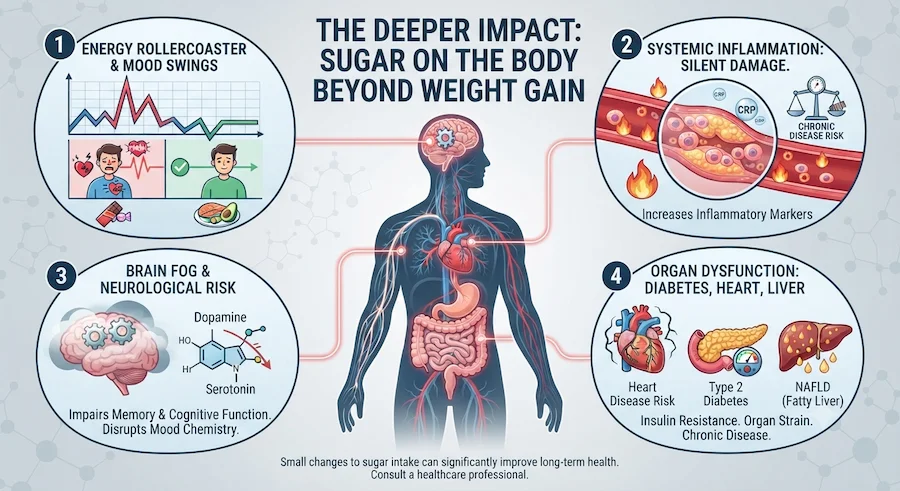
The Impact of Sugar on Your Body: Beyond Weight Gain
Cutting added sugar can smooth energy swings and help brain clarity; in India, swap sweetened coffee and juices for fruit, protein, and fiber.
Read article →
Comments (0)
No comments yet. Be the first to share your thoughts.
Leave a Comment
Your comment will appear after moderation.