Herbal Teas & their impact on well-being
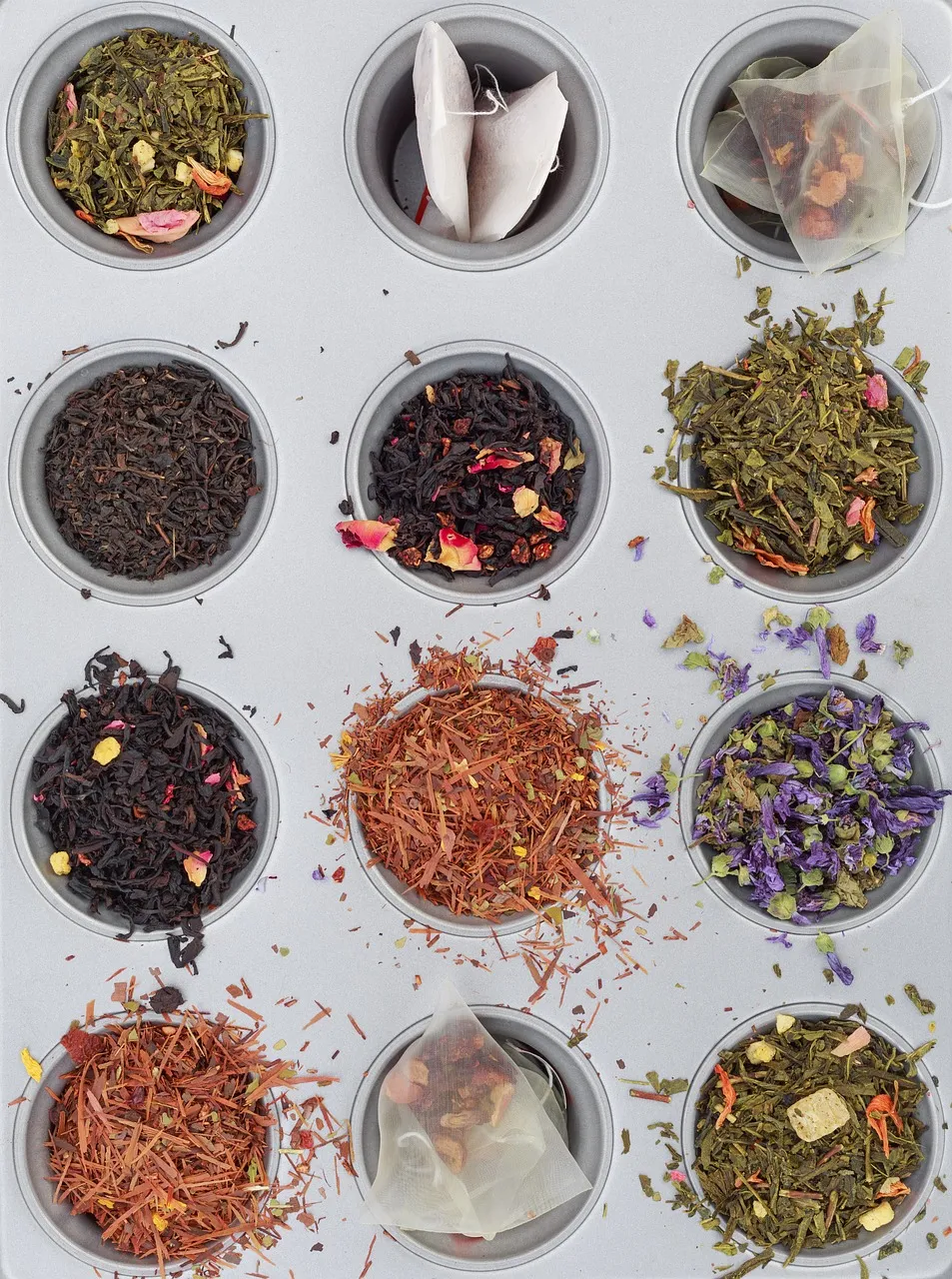
In today's world where stress and the demands of modern life can take a toll on our well-being, people are looking for natural and holistic approaches to maintaining health. For centuries, different cultures have consumed herbal teas made from various plant infusions for their potential health benefits. In this article, we will examine the benefits of herbal teas and the scientific research supporting their positive impact on well-being.
Benefits of Herbal Teas
Rich in Antioxidants
Herbal teas possess high antioxidant content. Antioxidants help combat oxidative stress in the body, reducing the risk of chronic diseases and supporting overall health. Research published in the 'Journal of Food Science and Technology' suggests that certain herbal teas, such as green tea and chamomile, contain high levels of antioxidants. These antioxidants contribute to cellular health and may reduce the risk of chronic conditions.
Calming and Stress-Reducing Effects
Many celebrate the calming effects on the nervous system of herbal teas like chamomile, lavender, and lemon balm. A study published in the Journal of Psychopharmacology found that chamomile tea consumption led to a significant decrease in symptoms of generalised anxiety disorder. The calming properties of herbal teas can positively impact mental well-being and contribute to better stress management.
Improved Digestive Health
Herbal teas have been traditionally used to alleviate digestive issues. For instance, peppermint tea has been studied for its efficacy in relieving symptoms of irritable bowel syndrome (IBS). Research published in the "European Journal of Gastroenterology & Hepatology" suggests that peppermint oil, a key component in peppermint tea, can help alleviate abdominal pain and discomfort associated with IBS.
Enhanced Sleep Quality
Certain herbal teas, such as valerian root and chamomile, are known for their sleep-inducing properties. Incorporating herbal teas into nighttime routines can offer a natural and gentle way to promote restful sleep.
Anti-Inflammatory Effects
Chronic inflammation is a common underlying factor in many health conditions. Herbal teas with anti-inflammatory properties, such as turmeric and ginger, may help mitigate inflammation. A study published in the Journal of Medicinal Food found that ginger tea exhibited anti-inflammatory effects.
Support for Immune Function
Herbal teas like echinacea and elderberry have been traditionally used to support immune health. A review published in the 'American Journal of Clinical Nutrition' highlighted the potential of herbal teas in enhancing immune function. This was attributed to the presence of bioactive compounds that can modulate the immune response. Regular consumption of immune-supportive herbal teas may contribute to overall well-being by helping the body fend off infections.
Heart Health Benefits
Hibiscus tea has gained attention for its potential impact on heart health. Research conducted by Tufts University found that hibiscus tea consumption could lead to a significant reduction in blood pressure, thus lowering the risk of cardiovascular diseases. The study suggested that the anthocyanins present in hibiscus tea might contribute to its beneficial effects on heart health.
Herbal teas offer a natural and flavourful way to support well-being, with a range of potential health benefits backed by scientific research. From antioxidant-rich varieties to those promoting relaxation and digestive health, the diverse array of herbal teas provides options for individuals seeking holistic approaches to maintaining and enhancing their overall health.
As always, it is essential to consult with healthcare professionals for personalised advice, especially for those with pre-existing health conditions or concerns. Embracing the goodness of herbal teas can be a simple yet effective step towards a healthier and more balanced lifestyle.

Shruti Marjara Kushwaha
Nutritionist & Founder, NutriMantra
Shruti blends evidence-based nutrition with practical Indian food guidance, shaped by experience across AIIMS, VLCC, HealthKart, research, counselling, and long-term lifestyle support.
Need help applying this to your routine?
Book a consultation with Shruti for practical, personalised nutrition guidance tailored to your goals, food preferences, and health conditions.
Frequently Asked Questions
What are the best herbal teas for reducing stress and anxiety in India?
How can herbal teas improve digestion, especially for Indian diets?
Are there any herbal teas that can help with sleep issues in Indian households?
What are the antioxidant benefits of herbal teas, and which ones should I choose in India?
Learn with Shruti


Related Articles
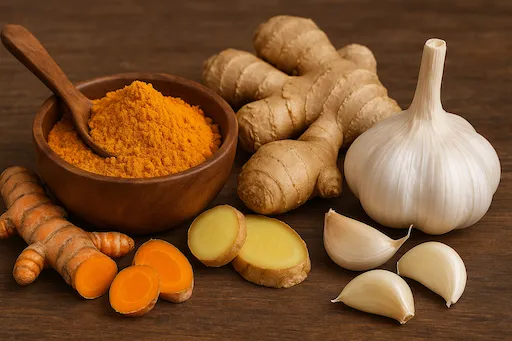
The Anti-Inflammatory Power of Turmeric, Ginger, and Garlic
In a world where lifestyle diseases are rising and chronic inflammation is quietly wreaking havoc on our bodies, your kitchen may hold some of the most powerfu…
Read article →
Food for Eyes
Visual impairment is a global epidemic. In developing countries, nutritional deficiency and cataracts continue to be the leading cause of blindness, whereas ag…
Read article →
Anti-aging foods: The Antioxidants
Antioxidant: a word all health enthusiasts know and want to include in their diet. For those who are new to this, here's what you need to know about antioxidan…
Read article →
Comments (0)
No comments yet. Be the first to share your thoughts.
Leave a Comment
Your comment will appear after moderation.