
How good is your egg? A Guide to Choosing the Best
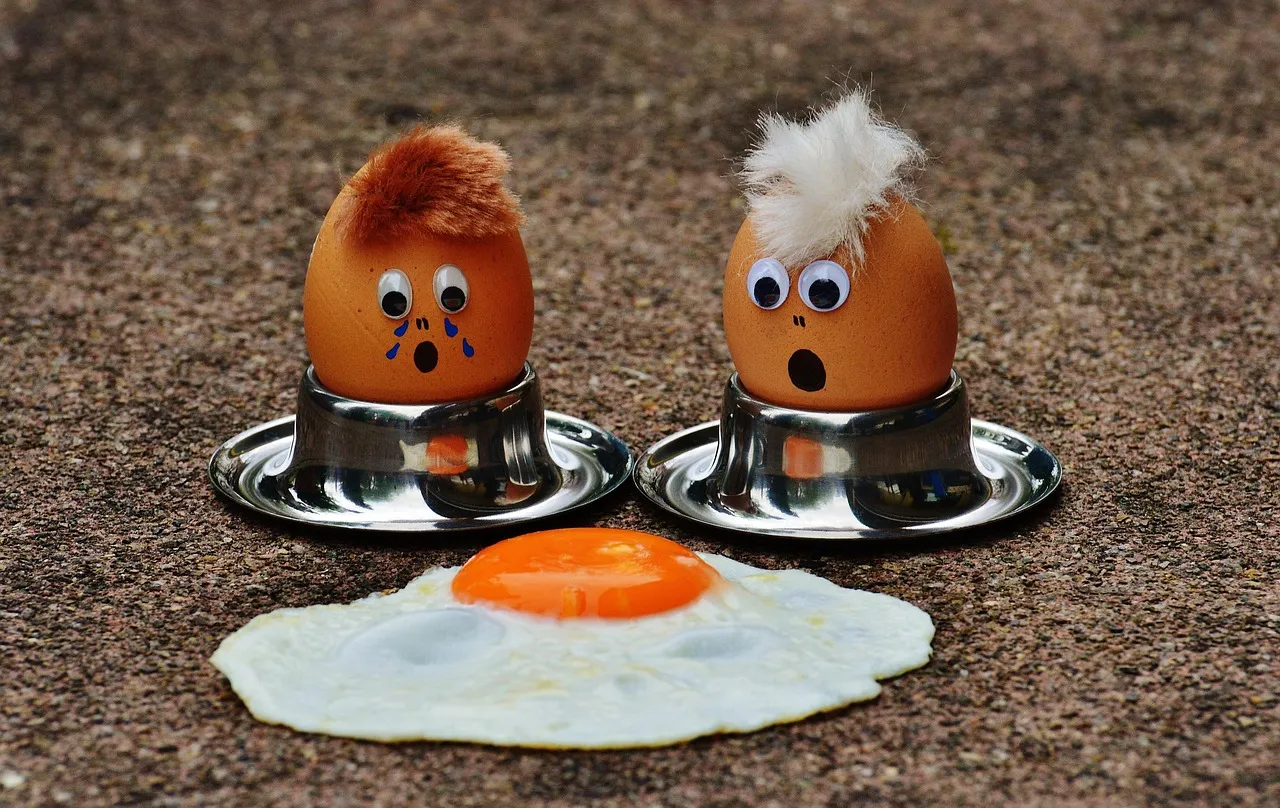
You are standing in the grocery aisle, carton in hand, staring at rows of identical-looking eggs. They all seem the same, right? Wrong.
Unlike fruits and vegetables that reveal their freshness at a glance, or packaged foods with their convenient best before dates, eggs keep their secrets hidden beneath smooth shells.
But what if you could crack the code to choosing the best ones?
The Light Test: Candling Reveals All
Ever wondered how egg producers separate the good from the not-so-good? They use a surprisingly simple technique called candling. Picture holding an egg up to a bright light source. Suddenly, the mystery of what's inside becomes visible.
Here's what candling reveals:
- Shell integrity: Any cracks that might compromise freshness
- Yolk position: Fresh eggs have centred yolks suspended in firm whites; older eggs show yolks settling toward the shell
- Albumin quality: The thickness and clarity of the egg white
- Unwanted surprises: Blood spots, mould, or even developing embryos
As eggs age, their chalaza (those twisted cords that hold the yolk in place) weaken, allowing the yolk to drift. The yolk becomes more visible through candling, especially if it's darker in colour, casting a distinct shadow against the light.
The Float Test: Your Kitchen Detective Tool
Want to test egg freshness at home? Fill a bowl with cold water and gently place your egg inside. What happens next tells you everything:
- Sinks and lies flat on the bottom: Very fresh - the air cell is tiny. These are perfect for any use.
- Sinks but stands upright or tilts: Still good to eat, but not as fresh. The air cell has enlarged slightly. Use these soon.
- Floats to the surface: The air cell has grown quite large. These eggs are old and should be discarded.
Why does this work? As eggs age, moisture evaporates through the porous shell, enlarging the air cell inside. The bigger the air pocket, the more the egg floats.
Decoding the Grade Labels
In India, eggs are sorted into a systematic grading system that takes the guesswork out of shopping:
By Weight:
- Extra Large: More than 60g (perfect for hearty breakfasts)
- Large: 53-59g (the all-purpose choice)
- Medium: 45-52g (ideal for baking)
- Small: 38-42g (great for kids' portions)
By Quality: Eggs with clean, unbroken shells earn their grade based on air cell depth and yolk positioning. Grade A and B eggs in India guarantee centred yolks and defect-free interiors.
Your Egg-Shopping Strategy
Next time you are at the market, you are no longer buying blind. Look for:
- Clean shells without cracks or stains
- Grade A or B labels for quality assurance
- Appropriate size for your needs
- Recent packing dates, when available
And when you get home? Try the float test on any eggs you are uncertain about. With these simple techniques, you will never crack open a disappointing egg again.

Shruti Marjara Kushwaha
Nutritionist & Founder, NutriMantra
Shruti blends evidence-based nutrition with practical Indian food guidance, shaped by experience across AIIMS, VLCC, HealthKart, research, counselling, and long-term lifestyle support.
Need help applying this to your routine?
Book a consultation with Shruti for practical, personalised nutrition guidance tailored to your goals, food preferences, and health conditions.
Frequently Asked Questions
How can I tell if an egg is fresh using the float test?
What does candling an egg reveal about its quality?
What should I look for when buying eggs in Indian grocery stores?
Are there any myths about eggs that I should be aware of?
Learn with Shruti



Related Articles

Are You Cooking the Nutrition Out of Your Food?
Cooking doesn’t automatically drain nutrition. Use less water, avoid overcooking, and remember that dal, sambar and curries retain nutrients in their cooking liquid.
Read article →
The Impact of Sugar on Your Body: Beyond Weight Gain
Cutting added sugar can smooth energy swings and help brain clarity; in India, swap sweetened coffee and juices for fruit, protein, and fiber.
Read article →
Menopause & Nutrition: Bones, Weight & What to Actually Eat
> The women who do best through perimenopause aren't the ones who change everything. They understand what's happening and make...
Read article →
Comments (0)
No comments yet. Be the first to share your thoughts.
Leave a Comment
Your comment will appear after moderation.