How to Read the Nutrition Facts Panel Like a Pro
Welcome back to our journey through the world of food labels! If you have ever stood in a grocery aisle, scratching your head while trying to decipher the tiny print on a nutrition facts panel, you are not alone. It can feel like decoding a secret language. But don’t worry—I am here to guide you through it step by step.
This article is a part of our article series decoding labels. Why does reading food labels matter? Deciphering the list of ingredients.
Cracking the Code: Serving Sizes and Calories
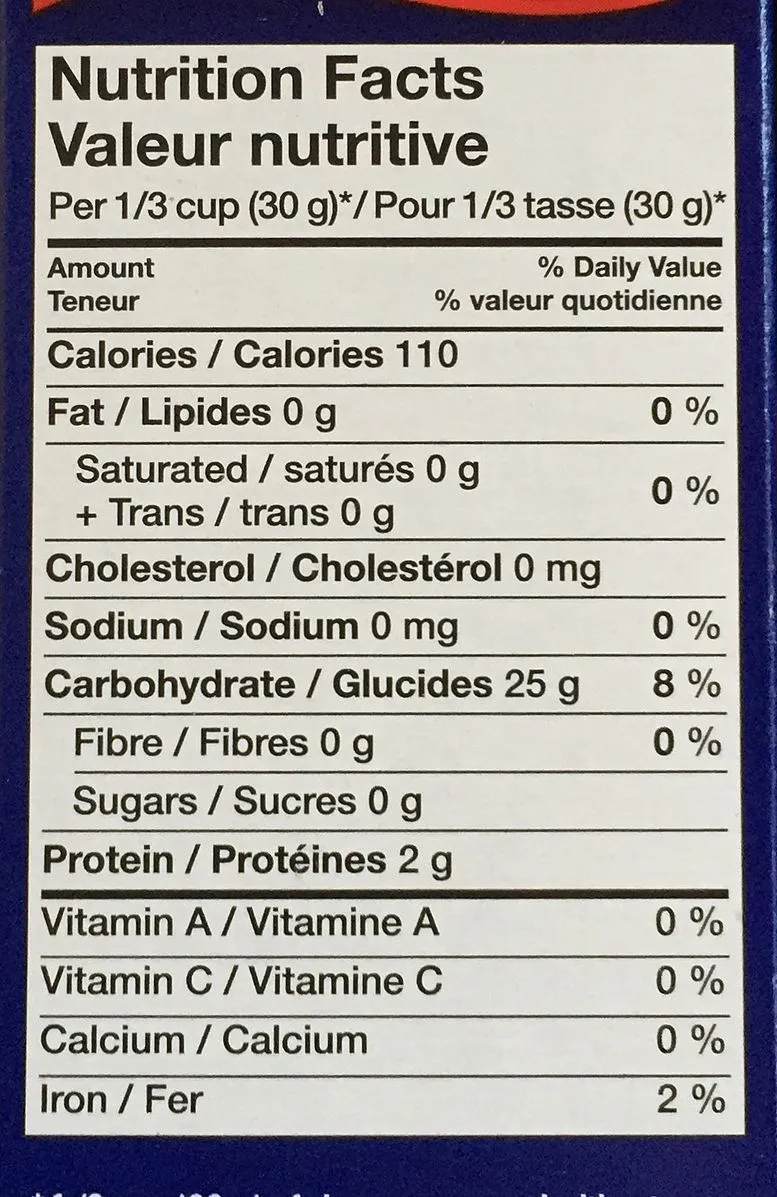
Take a good look at the serving size and the number of servings per container. This info is your starting point for understanding the rest of the nutrition facts. Here’s a little secret: serving sizes are often smaller than what we typically eat. So, if you usually eat double the serving size listed, you will need to double all the other numbers, too.
Now, let’s talk about calories. That little number tells you how much energy you will get from one serving of the product. It is super handy if you are watching your weight or just trying to make healthier choices. According to a study by the American Journal of Clinical Nutrition, people who understand calorie content and serving sizes are better equipped to manage their diets and maintain a healthy weight .
The Nutrient Rundown: What’s Inside Matters
Next up: the nutrients. This part of the panel lists all the good (and not-so-good) stuff in your food. Look for the amounts of fat, saturated fat, cholesterol, sodium, carbohydrates, fibre, sugars, and protein.
Here’s why it matters: High levels of saturated fats and cholesterol can increase your risk of heart disease, as pointed out by the American Heart Association. And watch that sodium! The CDC warns that too much sodium can raise your blood pressure. On the flip side, fibre is your friend. It helps with digestion and can keep you feeling full longer, which is great if you are trying to manage your weight. Plus, foods rich in vitamins and minerals support your overall health and reduce the risk of chronic diseases.
Wrapping It Up: You’ve Got This!
Understanding food labels might seem overwhelming at first, but with a little practice, it becomes second nature. Think of it like learning a new skill—one that empowers you to take control of your health and well-being. As dietitian Joy Bauer says, “The more you know about what’s in your food, the better choices you can make for your body and your lifestyle”.
Armed with the knowledge of reading the ingredients list and the nutrition facts panel, you will be ready to conquer the grocery store. So next time you are out for grocery shopping, take a moment to explore the labels. Your body—and your future self—will thank you.
Stay tuned for our next and final article, where we’ll explore the meanings behind those enticing label claims like “organic,” “non-GMO,” and “gluten-free.” These labels can sometimes feel like marketing tricks, but with a bit of knowledge, you can see through the hype and make informed choices.

Shruti Marjara Kushwaha
Nutritionist & Founder, NutriMantra
Shruti blends evidence-based nutrition with practical Indian food guidance, shaped by experience across AIIMS, VLCC, HealthKart, research, counselling, and long-term lifestyle support.
Need help applying this to your routine?
Book a consultation with Shruti for practical, personalised nutrition guidance tailored to your goals, food preferences, and health conditions.
Frequently Asked Questions
How do I determine the right serving size for Indian foods on nutrition labels?
What nutrients should I prioritize when reading food labels for a healthy Indian diet?
Is it true that all fats are bad, and how can I identify healthy fats on food labels?
How can I use nutrition labels to manage my weight while enjoying Indian meals?
Learn with Shruti



Related Articles

Why does Reading Food Labels Matter?
In today's fast-paced world, convenience often drives our food choices. However, it's essential to pause and consider what exactly we're putting into…
Read article →
Are You Cooking the Nutrition Out of Your Food?
Cooking doesn’t automatically drain nutrition. Use less water, avoid overcooking, and remember that dal, sambar and curries retain nutrients in their cooking liquid.
Read article →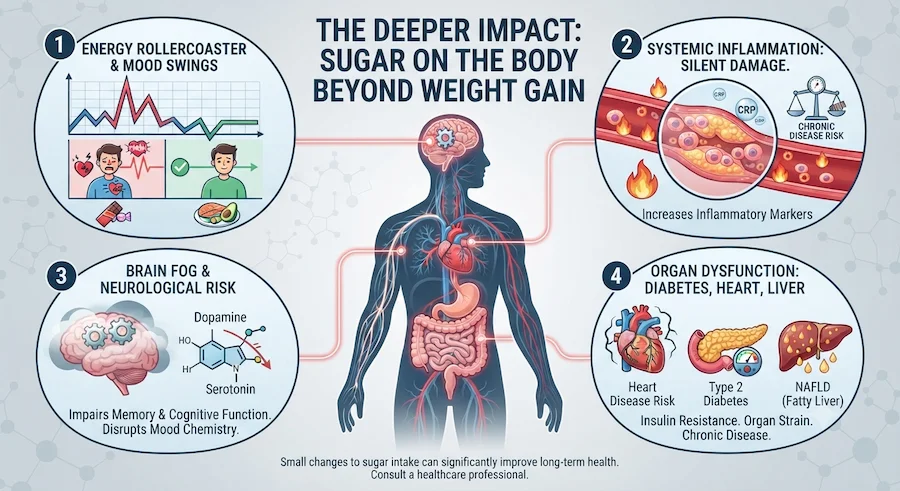
The Impact of Sugar on Your Body: Beyond Weight Gain
Cutting added sugar can smooth energy swings and help brain clarity; in India, swap sweetened coffee and juices for fruit, protein, and fiber.
Read article →
Comments (0)
No comments yet. Be the first to share your thoughts.
Leave a Comment
Your comment will appear after moderation.