Anti-aging foods: The Antioxidants
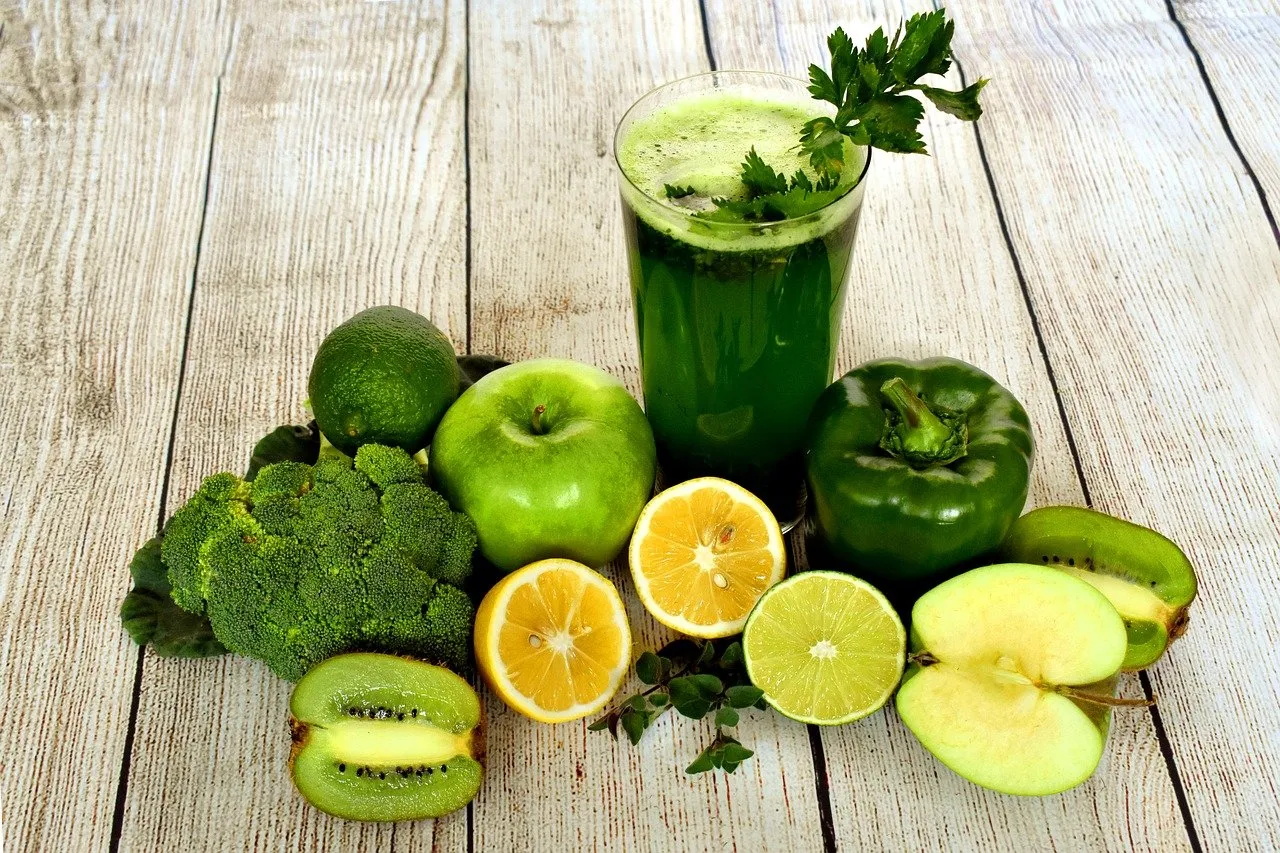
Antioxidant: a word all health enthusiasts know and want to include in their diet. For those who are new to this, here's what you need to know about antioxidants and how to get them from your food.
What Are Antioxidants?
Antioxidants are vitamins, minerals, and other nutrients that protect and repair cells from damage caused by free radicals. Free radicals are unstable molecules produced naturally during various processes in our bodies, such as metabolism and immune responses. While some free radicals are necessary for normal function, excessive amounts can damage cells and contribute to chronic diseases like atherosclerosis, cancer, arthritis, heart disease, stroke, and diabetes. Free radicals can also weaken immunity.
To neutralise excess free radicals, our body uses antioxidants from the foods we eat.
Getting Antioxidants from Food
Fruits, vegetables, nuts, grains, poultry, and fish are abundant sources of antioxidants. To maximise their benefits:
- Eat a variety: Different colored produce contains different antioxidants
- Cook mindfully: Some antioxidants like vitamin C are best preserved with minimal cooking, while others like lycopene (in tomatoes) actually become more available when cooked.
- Eat fresh when possible: Fresh, minimally processed foods typically retain more nutrients.
Key Antioxidants and Their Food Sources
Beta-carotene and Other Carotenoids
Apricots, asparagus, beets, broccoli, muskmelon, carrots, corn, green peppers, mangoes, turnip and collard greens, peaches, pumpkin, spinach, sweet potato, tangerines, tomatoes, and watermelon.
Vitamin A (Preformed)
Liver, egg yolk, fortified milk, butter, and fortified cereals. Note: Your body can also convert beta-carotene from plant foods into vitamin A.
Lutein
Spinach, kiwi, sweet corn, mango, broccoli, green beans, prunes, orange peppers, peas, melon, grapes, oranges, papaya, peaches, lettuce, and pumpkin.
Lycopene
Tomatoes (especially cooked), watermelon, guava, papaya, apricots, pink grapefruit, and blood oranges. Cooking tomatoes with a little oil actually increases lycopene absorption.
Vitamin C
Citrus fruits (oranges, grapefruit, lemon), strawberries, kiwi, muskmelon, raw cabbage, spinach, broccoli, berries, Brussels sprouts, cauliflower, mangoes, papaya, red/green/yellow peppers, sweet potato, and tomatoes.
Vitamin E
Almonds, wheat germ, safflower/corn/soybean oils, nuts, broccoli, carrots, mustard and turnip greens, mangoes, papaya, pumpkin, red peppers, spinach, and sunflower seeds.
Zinc
Oysters, red meat, poultry, beans, nuts, seafood, whole grains, fortified cereals, and dairy products.
Selenium
Brazil nuts (especially rich), tuna, beef, poultry, eggs, fortified breads, and other grain products.
Quercetin
A plant-based chemical (phytochemical) found in apples, onions, berries, tea, and red wine.
Catechins
A type of flavonoid found in green and black tea. Catechins may help support heart health and cognitive function.
Other Antioxidant-Rich Foods
Plums, red grapes, alfalfa sprouts, onions, eggplant, and beans (kidney, black, pinto).
Including lots of colourful fruits and vegetables in your meals ensures you get ample antioxidants in your diet. Aim for a rainbow of colours on your plate; each colour represents different beneficial compounds.
If you cannot obtain sufficient antioxidants through fresh food, consider taking a multivitamin and mineral supplement. However, always consult a healthcare professional before starting any new supplement regimen, as whole foods remain the best source of antioxidants and provide additional fibre and nutrients that supplements cannot match.

Shruti Marjara Kushwaha
Nutritionist & Founder, NutriMantra
Shruti blends evidence-based nutrition with practical Indian food guidance, shaped by experience across AIIMS, VLCC, HealthKart, research, counselling, and long-term lifestyle support.
Need help applying this to your routine?
Book a consultation with Shruti for practical, personalised nutrition guidance tailored to your goals, food preferences, and health conditions.
Frequently Asked Questions
What are some Indian foods rich in antioxidants?
How can I incorporate more antioxidants into my daily Indian diet?
Is it better to eat fruits and vegetables raw or cooked for maximum antioxidants?
Are there any myths about antioxidants that I should be aware of?
Learn with Shruti


Related Articles
Food for Eyes
Visual impairment is a global epidemic. In developing countries, nutritional deficiency and cataracts continue to be the leading cause of blindness, whereas ag…
Read article →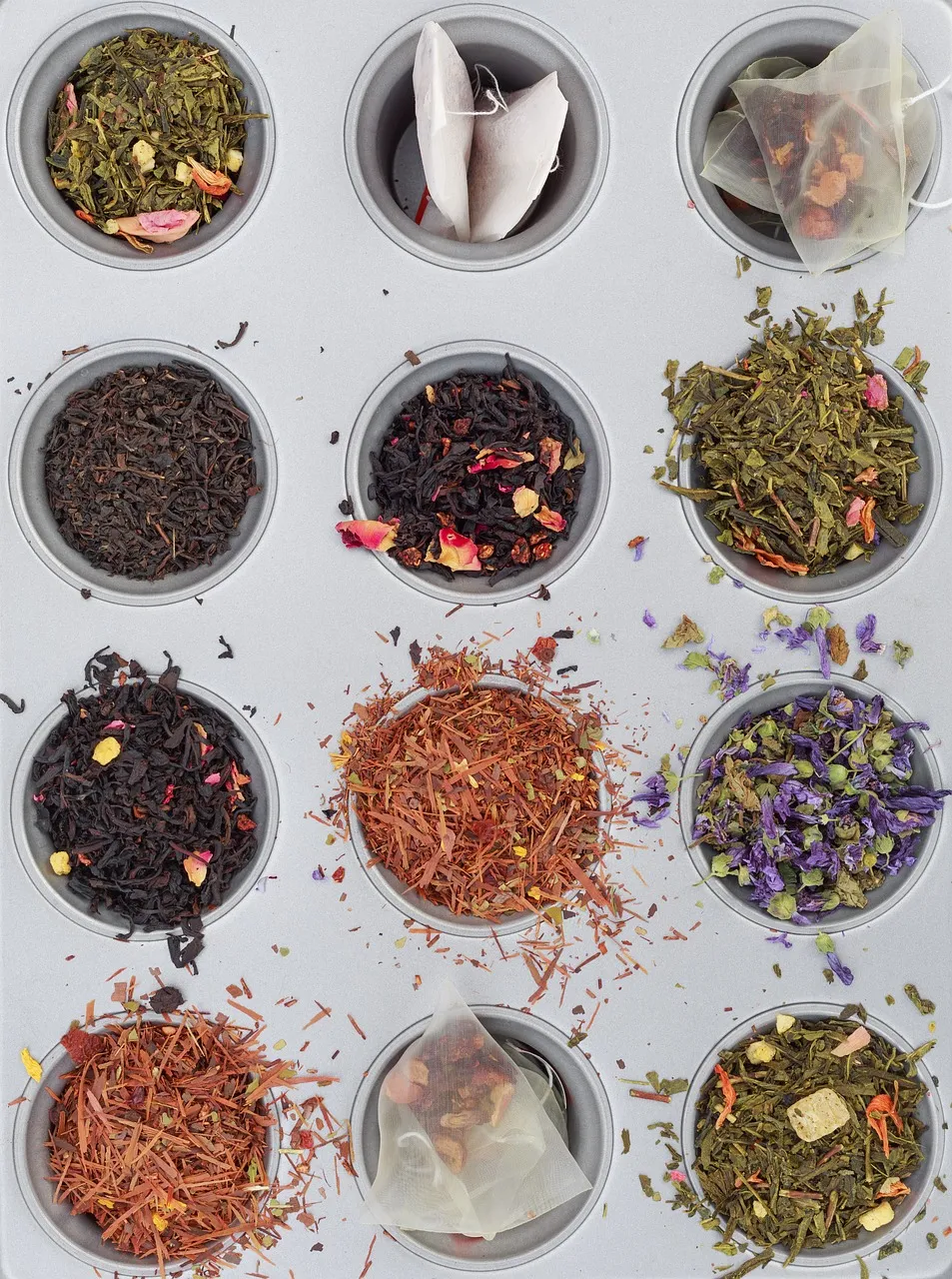
Herbal Teas & their impact on well-being
In today's world where stress and the demands of modern life can take a toll on our well-being, people are looking for natural and holistic approaches to maint…
Read article →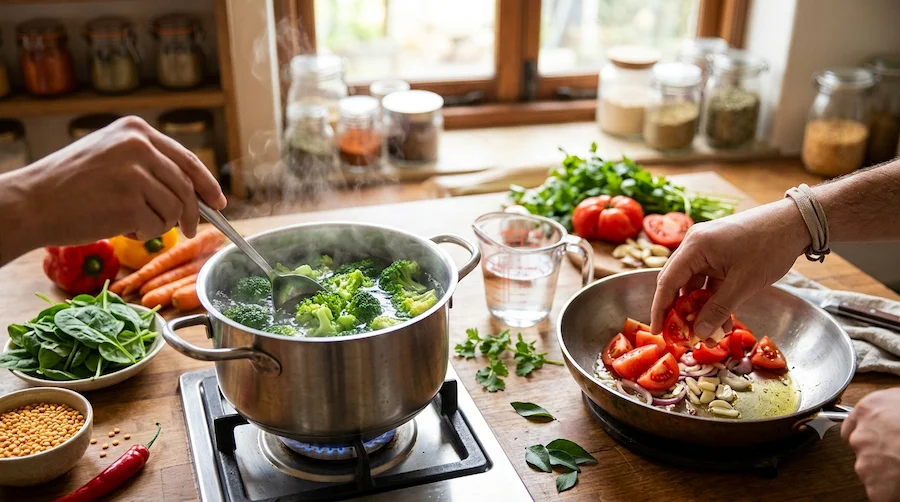
Are You Cooking the Nutrition Out of Your Food?
Cooking doesn’t automatically drain nutrition. Use less water, avoid overcooking, and remember that dal, sambar and curries retain nutrients in their cooking liquid.
Read article →
Comments (0)
No comments yet. Be the first to share your thoughts.
Leave a Comment
Your comment will appear after moderation.