PCOS: Frequently Asked Questions
What is Polycystic Ovarian Syndrome (PCOS)?
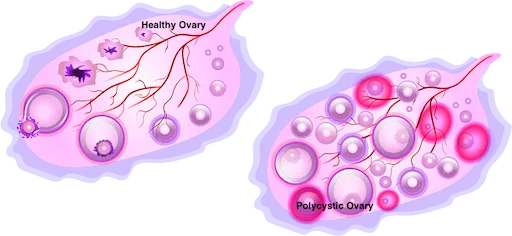
It is a hormonal disorder that affects approximately 6-12% of women in the reproductive age group. Women with PCOS may have infrequent, absent or prolonged menstrual cycle; or high levels of male hormones. The ovaries may develop numerous small collections of fluid (follicles) and fail to release eggs regularly. Currently, medical professionals consider it one of the leading causes of infertility in women.
What are its symptoms?
Menstrual symptoms: the absence of menstruation, heavy menstruation, irregular menstruation, short and light menstruation, or spotting
Obesity, overweight, or weight gain
Skin symptoms: acne or oily skin
Also common are: infertility, dark patches of skin in folds, depression, inappropriate male features, loss of scalp hair, facial hair, especially on the chin, sideburns, and chest
Is PCOS life-threatening?
PCOS in itself is not life-threatening, although it affects the quality of life negatively if left unmanaged. It is frequently associated with insulin resistance, which in turn may lead to an increased risk of diabetes, stroke and cardiovascular disease. It also increases a person's susceptibility to uterine and endometrial cancers.
What causes PCOS?
The exact cause of PCOS is unknown. Believers in this theory hold that high levels of male hormones hinder the ovaries from producing female hormones and making eggs normally. Genes (PCOS runs in families), insulin resistance (up to 70% of women with PCOS have insulin resistance), and inflammation have all been linked to excess production of male hormones.
How can we diagnose PCOS?
Doctors diagnose PCOS if women have at least two of the three main symptoms: high levels of male hormones, irregular periods, and cysts in the ovaries. A pelvic exam, blood tests, and an ultrasound can confirm the diagnosis. Blood samples are taken for a variety of hormones, cholesterol, triglycerides, glucose and insulin levels.
Is there an overall treatment for PCOS?
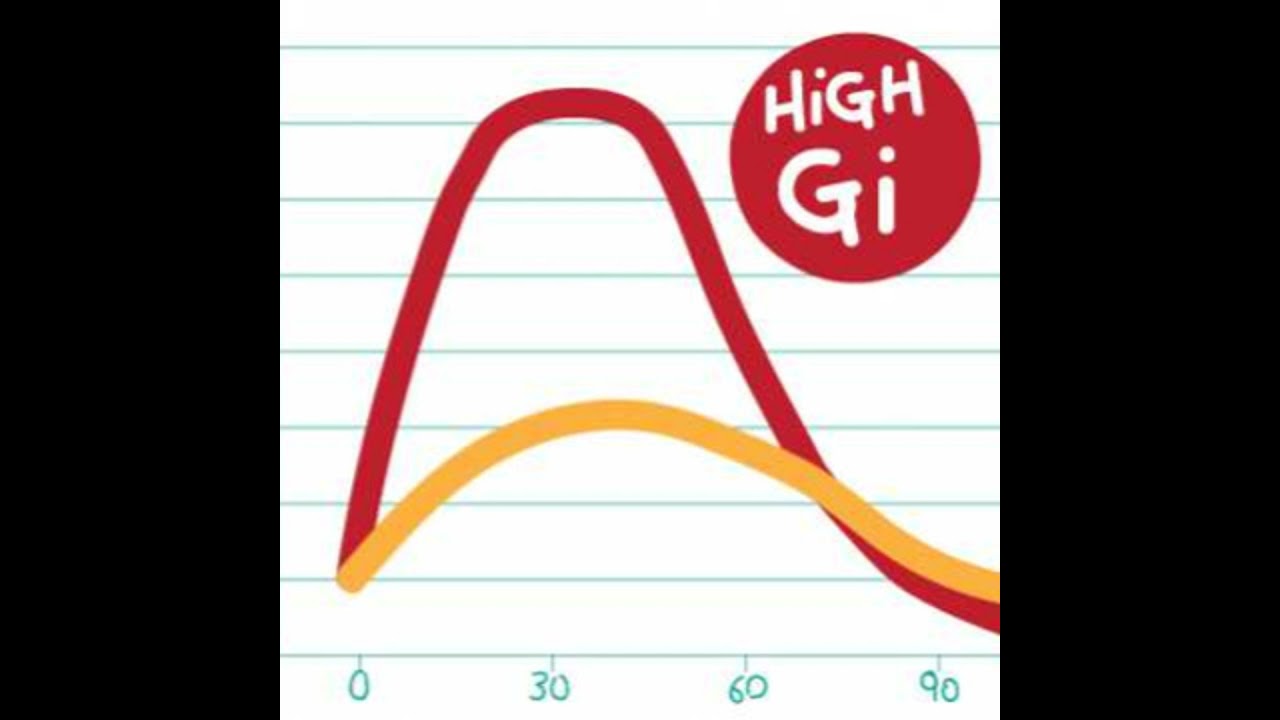
There can be an improvement in the severity of symptoms but there is no complete treatment of this disorder available as of now. Weight loss definitely helps in restoring menstrual cycle to normal. Weight loss can also help improve hormonal imbalances. A diet high in low glycemic index foods, fiber, vegetable protein, fluids, fruits, vegetables and antioxidants can help in maintaining a normal weight. Regular sustained exercise and Insulin-lowering medications (prescribed by the physician) are helpful.
Couldn't find an answer to your query? Please post your query in the comments or mail it to us at shruti.mk01@gmail.com
Image by Rosa Elemil Martínez from Pixabay

Shruti Marjara Kushwaha
Nutritionist & Founder, NutriMantra
Shruti blends evidence-based nutrition with practical Indian food guidance, shaped by experience across AIIMS, VLCC, HealthKart, research, counselling, and long-term lifestyle support.
Trying to manage PCOS symptoms through everyday food choices?
Shruti can help you build a practical Indian eating plan that supports hormones, satiety, and consistency.
Frequently Asked Questions
What Indian foods should I avoid if I have PCOS?
How can I manage PCOS symptoms with a healthy Indian diet?
Are there any myths about PCOS in Indian culture?
What lifestyle changes can help with PCOS management in Indian women?
Learn with Shruti

Related Articles
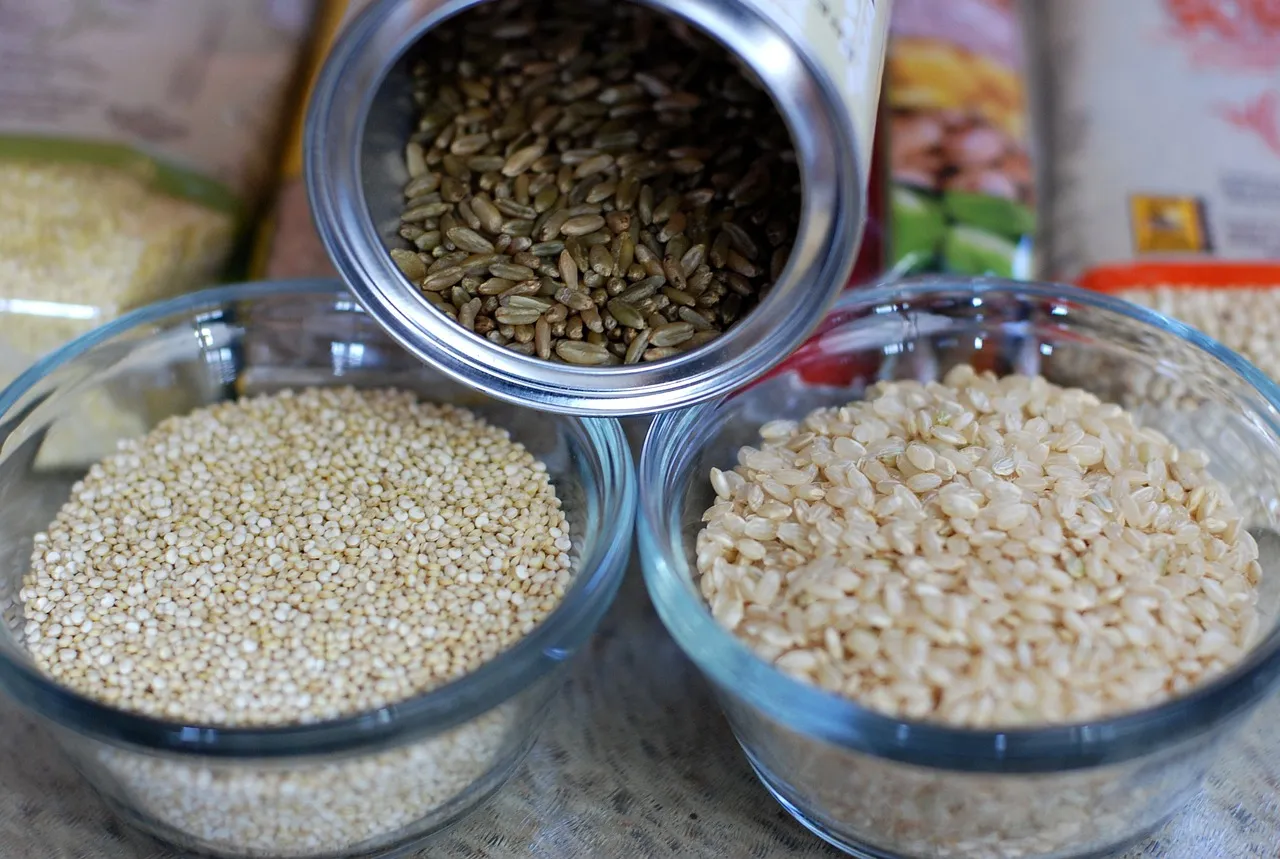
Understanding Dietary Fibre: Benefits, Myths & Smart Tips
“Fibre” comes from the Latin fibra , meaning thread or filament — an apt name for this thread-like component found in plant foods.
Read article →
Are You Cooking the Nutrition Out of Your Food?
Cooking doesn’t automatically drain nutrition. Use less water, avoid overcooking, and remember that dal, sambar and curries retain nutrients in their cooking liquid.
Read article →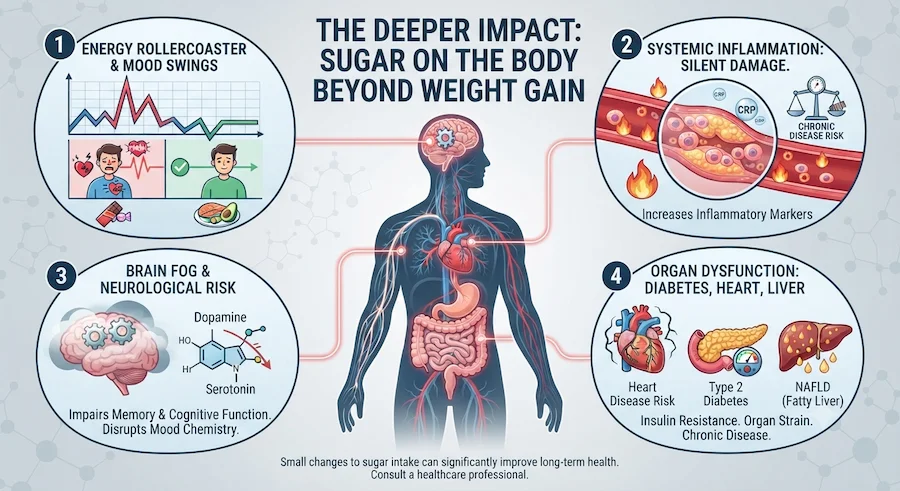
The Impact of Sugar on Your Body: Beyond Weight Gain
Cutting added sugar can smooth energy swings and help brain clarity; in India, swap sweetened coffee and juices for fruit, protein, and fiber.
Read article →
Comments (0)
No comments yet. Be the first to share your thoughts.
Leave a Comment
Your comment will appear after moderation.