Post-Viral Recovery Diet: Rebuild Your Strength Through Nutrition

Post viral recovery isn't just about time — it's about giving your body the tools it needs to heal. Post-illness, many people experience lingering symptoms like fatigue, muscle weakness, and a weakened immune system. Nutrition plays a vital role in this recovery journey, helping to restore lost energy and rebuild strength.
As Hippocrates once said, "Let food be thy medicine and medicine be thy food."
The Importance of Nutrition in Post-Viral Recovery
When you are sick, your body depletes resources at a rapid rate to fight off infection. This includes energy, vitamins, and minerals — all of which need to be replenished. Research supports this, showing that proper nutrition can shorten recovery time and reduce the risk of complications.
Essential Nutrients for Recovery
Several nutrients have been shown to play a direct role in recovery, helping your body rebuild strength and regain normal function.
Protein: The Cornerstone of Tissue Repair
During illness, muscle mass can decline, leaving you feeling weak. Protein helps rebuild muscle, and studies have shown that a diet rich in protein post-illness can accelerate recovery and improve energy levels. Dr Jane Smith, a nutritionist, notes, "Protein is essential after illness because it helps repair cells and tissues that were damaged, and it supports the immune system to keep you strong moving forward."
Best sources: Lean meats like chicken, fish, eggs, curd, paneer, tofu, lentils, and chickpeas.
Vitamin C: Nature's Immune Booster
Known for its immune-boosting properties, Vitamin C is crucial in post-viral recovery. It is also vital for collagen production, which aids in tissue repair. A 2021 study in the journal Nutrients found that vitamin C supplementation reduced the duration of respiratory infections by up to 14%.
Best sources: Citrus fruits, bell peppers, strawberries, kiwi, broccoli, and Brussels sprouts.
Zinc: The Recovery Mineral
Zinc is another essential nutrient that helps reduce inflammation, supports immune function, and aids in wound healing. According to research in The Journal of Infectious Diseases, people with adequate zinc levels recover faster from viral infections than those with deficiencies.
Best sources: Oysters, beef, pumpkin seeds, cashews, chickpeas, and mushrooms.
Omega-3s: Anti-inflammatory Powerhouses
These fatty acids are known for their anti-inflammatory effects. They are beneficial during recovery to reduce prolonged inflammation caused by the viral infection.
Best sources: Fatty fish like salmon and mackerel, walnuts, flaxseeds, and chia seeds.
Vitamin D: The Sunshine Vitamin
Often overlooked, vitamin D plays a crucial role in immune function and recovery. A 2022 study in BMJ Nutrition found that vitamin D deficiency was associated with longer recovery times from respiratory infections.
Best sources: Sunlight exposure, fatty fish, egg yolks, mushrooms, and fortified foods. Many people benefit from supplementation, especially during winter months.
Gut-Healing Foods: A Vital Component
Many people don't realise how much their gut health affects overall recovery. After an illness, especially if antibiotics were part of the treatment, gut bacteria may be out of balance. Gut health directly influences immune function, so it's important to focus on gut-healing foods during your recovery.
Fermented Foods and Probiotics
Adding foods like yoghurt, kimchi, and sauerkraut to your diet introduces beneficial bacteria to your gut. Probiotics, in particular, have been shown to boost immune responses and may reduce the duration of infections.
Best sources: Yogurt with live cultures, kefir, kombucha, sauerkraut, kimchi, and miso.
Prebiotic Fiber
Prebiotics feed the beneficial bacteria in your gut, helping them flourish. Dr Elena Rodriguez, a gastroenterologist at University Medical Center, explains: "Prebiotics are like fertilizer for your gut's healthy bacteria. They create an environment where beneficial microbes can thrive, strengthening your immune system from the inside out."
Best sources: Garlic, onions, leeks, asparagus, bananas, oats, and apples.
Hydration and Energy-Boosting Strategies
Hydration is often overlooked, but it is essential to a full recovery. Fever, sweating, and even coughing can dehydrate your body, slowing the healing process. Drinking enough fluids helps transport nutrients to your cells and flushes out toxins. Dr. Michael Abrams, a medical consultant, shares, "Even mild dehydration can hinder recovery. It's crucial to drink plenty of water and electrolyte-rich fluids, especially in the days following illness."
Hydration tips: Aim for 8-10 glasses of water daily. Incorporate hydrating foods like cucumber, watermelon, and celery. Consider electrolyte drinks if you experienced significant fluid loss.
As for energy, focus on meals that provide a balanced mix of proteins, healthy fats, and complex carbohydrates. These foods will help you feel energized without the crash that comes from processed sugars or quick fixes.
Foods to Avoid During Post Viral Recovery
While focusing on nutrient-dense foods is important, it's equally crucial to know what to avoid:
Processed foods and refined sugars: These can promote inflammation and tax your already-stressed system.
Alcohol: Can dehydrate the body and interfere with sleep quality, both essential for recovery.
Excessive caffeine: While a small amount can be fine, too much can disrupt sleep and hydration.
Highly processed oils: Can contribute to inflammation in the body.
Recovery Takes Time
It is important to acknowledge that recovery is not always linear. There will be days when you feel back to your old self and others where fatigue may sneak up on you again. Be patient with your body—it's doing hard work behind the scenes. Nutrition is one way you can support it, but remember to also rest and take care of your mental well-being.
By providing your body with the right nutrients and a little extra care, you're allowing it to heal fully, ensuring you come back stronger than before.
Remember that individual needs may vary based on the specific illness, your overall health, and any underlying conditions. Consider consulting with a nutritionist or healthcare provider for personalized nutrition advice during your recovery journey.
Image by Stephanie Ghesquier from Pixabay

Shruti Marjara Kushwaha
Nutritionist & Founder, NutriMantra
Shruti blends evidence-based nutrition with practical Indian food guidance, shaped by experience across AIIMS, VLCC, HealthKart, research, counselling, and long-term lifestyle support.
Need help applying this to your routine?
Book a consultation with Shruti for practical, personalised nutrition guidance tailored to your goals, food preferences, and health conditions.
Frequently Asked Questions
What foods should I eat to boost my recovery after a viral infection in India?
How can I increase my protein intake with vegetarian options in India?
Are there any specific Indian dishes that can help in post-viral recovery?
What are some common myths about nutrition during post-viral recovery?
Learn with Shruti


Related Articles
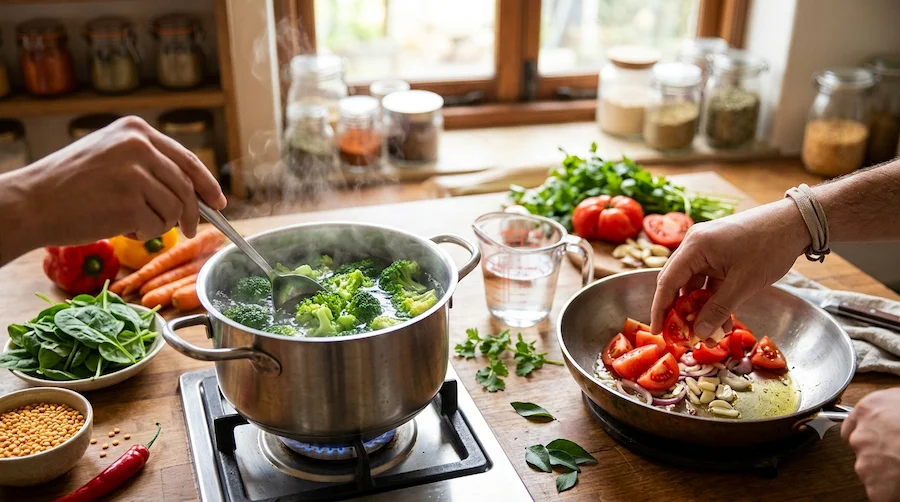
Are You Cooking the Nutrition Out of Your Food?
Cooking doesn’t automatically drain nutrition. Use less water, avoid overcooking, and remember that dal, sambar and curries retain nutrients in their cooking liquid.
Read article →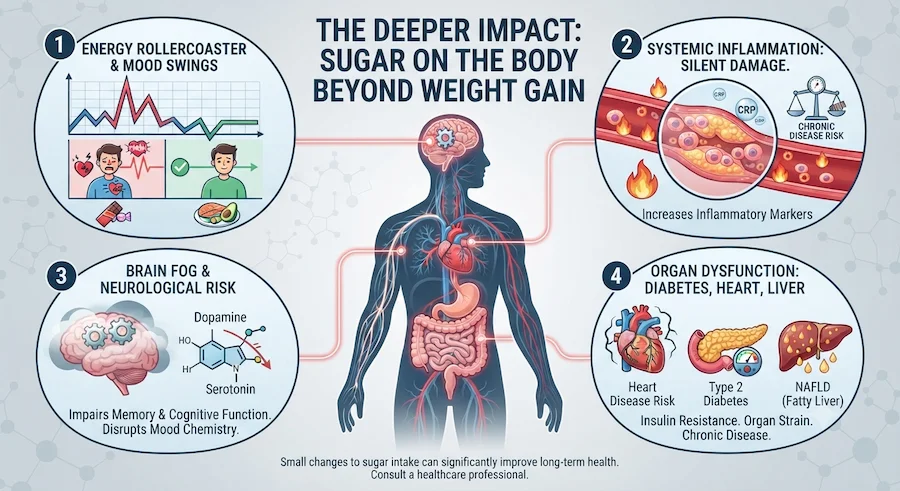
The Impact of Sugar on Your Body: Beyond Weight Gain
Cutting added sugar can smooth energy swings and help brain clarity; in India, swap sweetened coffee and juices for fruit, protein, and fiber.
Read article →
Menopause & Nutrition: Bones, Weight & What to Actually Eat
> The women who do best through perimenopause aren't the ones who change everything. They understand what's happening and make...
Read article →
Comments (0)
No comments yet. Be the first to share your thoughts.
Leave a Comment
Your comment will appear after moderation.