Pregnant: eating for two? Not really!!

Pregnancy is a wonderful phase in a female’s life. The people love and care for her even more than before. With it comes the responsibility of having a correct lifestyle and a healthy diet. Our adults always propagated the concept of eating for two; which is obsolete now. Guess you all will agree with me on this point.
The division of pregnancy is into three trimesters, each lasting three months. Fetal growth is slow in the first, increases marginally in the second and exponentially in the last trimester. To support this growth, you must increase calorie, protein, and nutrient intake. A well-nourished woman before conception starts pregnancy with nutrient reserves, allowing her to meet the needs of the growing fetus without compromising her health. These reserves help her during the first months when nausea makes it difficult to get proper nutrition from diet.
Calories
Additional calories are required during pregnancy to support the growth of the fetus, placenta (support system of the fetus inside the womb) and maternal tissue. Extra calories (approximately 300 kcal which is like our one meal) should be added only in the second and third trimesters (instead of fast fetal growth). So that means only one extra meal and not eating for one extra person.
Proteins
Proteins are equally important; if a female is deficient in proteins it may lead to several risks like fetal growth at the mother's expense or poor growth of the baby or the number of cells in tissues, particularly in the brain may be less. Out of the total protein consumed per day at least, 50-60% should come from good quality proteins. (to know more)
Fat
A generous fat intake is needed (only for those who are gaining weight normally) to meet the essential fatty acid requirements not only to provide energy but also for brain development of the fetus and storage for future use (read milk production).
Vitamins & Minerals
Talking about vitamins and minerals; the need for all the nutrients that are essential for blood formation increases. This includes folic acid (deficiency of this can lead to severe malformation of the brain and/or spinal cord of the fetus), vitamin B12 and iron. To meet the additional needs gynaecologists recommend the intake of supplements during pregnancy. Calcium is another nutrient of utmost importance. The deficiency of calcium during pregnancy can weaken the bones of the mother, poor stores for the fetus which continues with poor milk production in lactation.
Not only in case of pregnancy but all of us should include iodized salt in our diet. Iodised salt is the only daily source of iodine for us besides seafood. But more so during pregnancy because poor iodine intake can lead to the birth of a cretin child (poorly developed brain).
Weight gain
Apart from the regular sonographies (generally thrice during the entire period), weight gain is considered the best indicator of a healthy pregnancy. A total addition of 10-12 kg to the pre-pregnancy weight is considered healthy. The progressive weight gain during pregnancy: 1.5 kg in the first three months. In each subsequent month: the average gain should be 1.5 kg/month. Maximum weight gain occurs only during the second and third trimesters. Excess weight gain can also adversely affect the health of both mother & fetus and may also increase the risks during labour.
Coming back to our original issue of eating for two. It is important to eat enough to ensure the body receives sufficient nutrients to meet the growing demands of the fetus. This can be achieved by maintaining a balanced diet.
Let me share a small secret. When I was carrying my daughter I don't remember eating one square meal; initially because of nausea and later due to acidity. Still, she managed a decent birth weight; thanks to eating small frequent protein and fibre-rich snacks.
What was your secret? Why don't you share yours?
Image Courtesy: Pixabay

Shruti Marjara Kushwaha
Nutritionist & Founder, NutriMantra
Shruti blends evidence-based nutrition with practical Indian food guidance, shaped by experience across AIIMS, VLCC, HealthKart, research, counselling, and long-term lifestyle support.
Need help applying this to your routine?
Book a consultation with Shruti for practical, personalised nutrition guidance tailored to your goals, food preferences, and health conditions.
Frequently Asked Questions
What are the best Indian foods to eat during pregnancy for proper nutrition?
Is it true that I need to eat twice as much during pregnancy?
How can I ensure I get enough protein during pregnancy with a vegetarian diet?
What vitamins and minerals should I focus on during pregnancy in an Indian diet?
Learn with Shruti


Related Articles
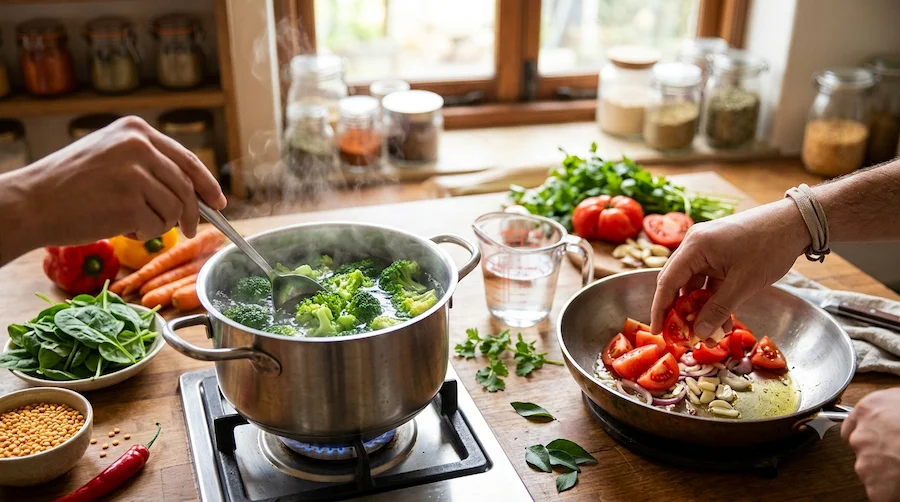
Are You Cooking the Nutrition Out of Your Food?
Cooking doesn’t automatically drain nutrition. Use less water, avoid overcooking, and remember that dal, sambar and curries retain nutrients in their cooking liquid.
Read article →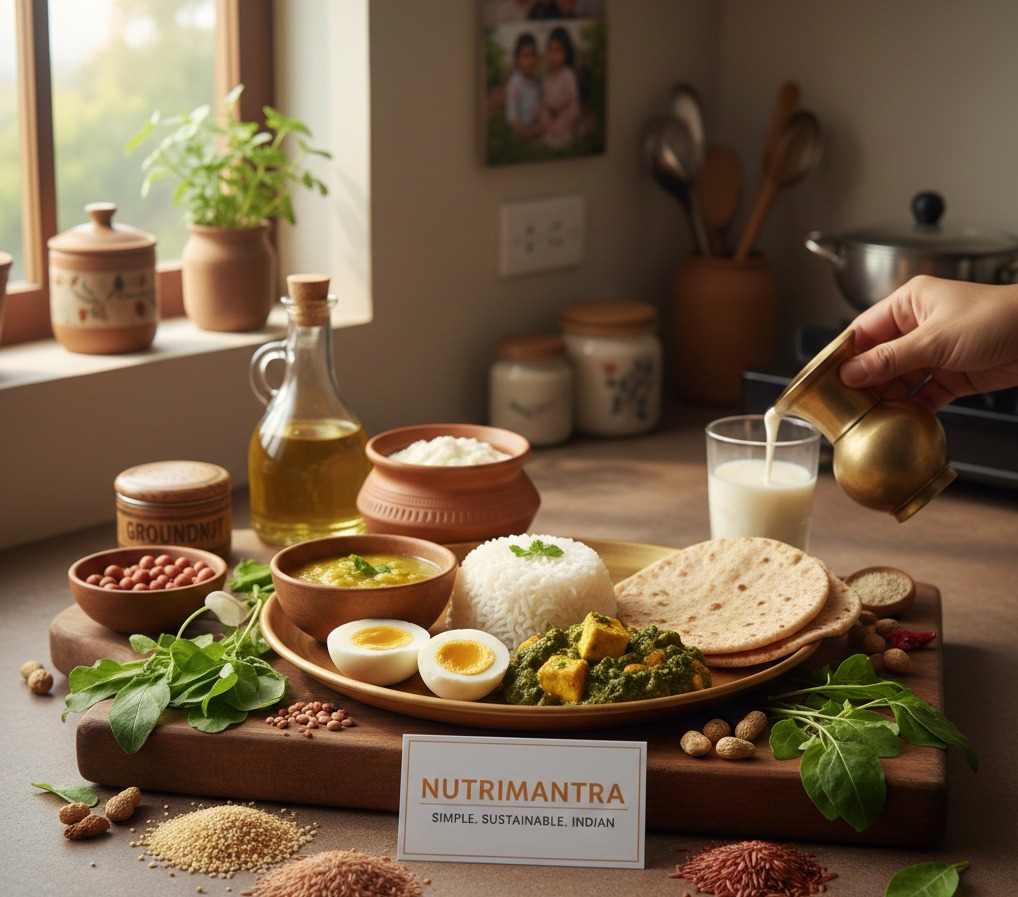
Healthy Eating Shouldn't Feel Like a Luxury
Let’s be honest: most of us have looked at a recipe, seen ingredients like kale or avocado, and thought, "My wallet and my kitchen aren't ready for this." At N…
Read article →
The Art of Portion Control: Eat Smart Without Feeling Deprived
Have you ever opened a family-size packet of chips and finished it in one go? You didn’t plan to finish it, but it happened anyway.
Read article →
Comments (0)
No comments yet. Be the first to share your thoughts.
Leave a Comment
Your comment will appear after moderation.