Proteins: Whey, Soy, Casein..... Decoded
My mother's colleague has been worried for the past few days and the cause of this.... Her 16-year-old son wants to take protein shakes for bodybuilding. She doesn't want him to start taking the supplements as she thinks these will have negative effects on his health. So she wanted a little help from me; to persuade him not to consume protein supplements. What do you think was my reply? Excerpt from what I explained to her about various protein supplements...
Milk Protein as protein supplements
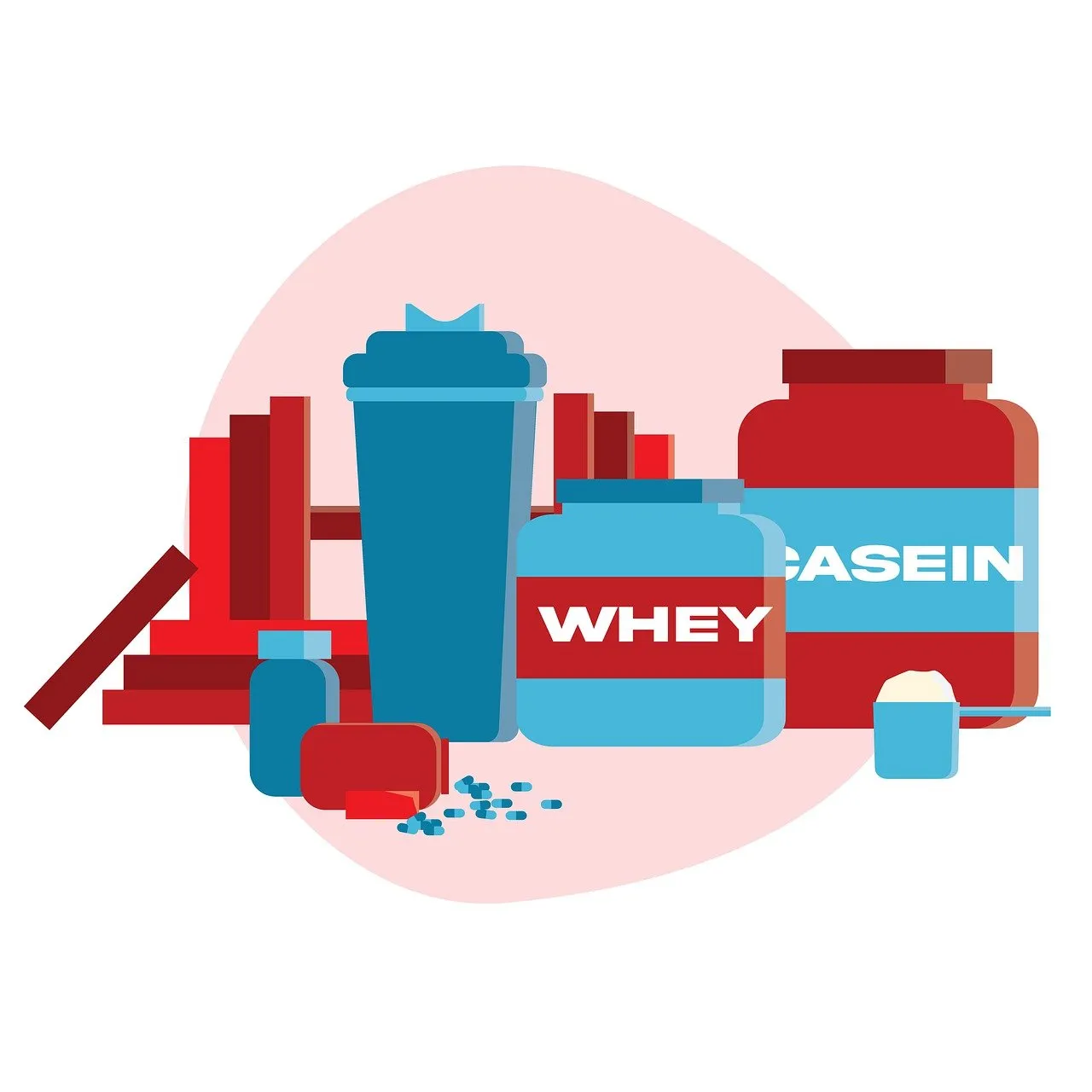
Milk constitutes two kinds of proteins: Casein and Whey, that are widely used in the Sports field and medicine to fulfil the excess protein demands which are not satisfied by diet alone. Out of 100% of the protein content of milk, 80% is casein and the remaining is whey protein. Milk yields cheese (paneer) containing casein when extracted, and the extraction process produces whey protein as a by-product (yellowish-green liquid).
Whey: The body quickly absorbs whey protein, which contains a high concentration of Branched Chain Amino Acids (BCAA). These amino acids fuel muscles and stimulate protein synthesis effectively. Commercially whey protein is available in three major forms: concentrate, isolate, and hydrolysate.
- Whey concentrate has 29-89% protein depending on the product. The lower the amount of protein, the amounts of fat and lactose in that formulation increase.
- Whey Isolates yield a higher percentage of pure protein and can be virtually lactose, carbohydrate, fat and cholesterol free. They are at least 90% protein by weight.
- Whey Hydrosylate: Manufacturers hydrolyse whey protein (chemically alter it) to produce hydrolysates. This process breaks long protein chains into smaller segments called "peptides."
Hydrolysed Vs Non-Hydrolysed Whey: Hydrolysed Whey is less likely to cause an allergic reaction than a non-hydrolysed one. Manufacturers most commonly use it in infant formulas and specialty protein supplements for medical purposes.
Whey Isolate Vs Concentrate: Whey Isolates tend to be less allergenic than Concentrates. It is the purest and most concentrated form of whey protein available.
Whey protein plays a crucial role in bodybuilding, athletics, and sports today due to its rapid digestibility. It helps in returning the post-workout body back from a catabolic to an anabolic state.
Casein: This protein, derived from milk, is highly popular due to its unique property. It forms a gel in the stomach which leads to slow digestion and slow release of amino acids sometimes lasting for several hours. Because of this property, casein digests slowly, making it an excellent post-workout supplement.
Soy protein as protein supplement
Soy protein is extracted from soybeans. Commercial processors turn soy protein into concentrates and isolates. Manufacturers refine soy protein into soy protein isolate, ensuring a minimum protein content of 90%, by removing most of the fat and carbohydrates from soy flour.
Soy protein concentrate is about 70% soy protein. Soy protein concentrate offers easy digestibility, making it well-suited for children, pregnant and lactating women, and the elderly. Experts consider soy protein to have a protein quality comparable to animal proteins.
A study published on the effect of soy protein on lipids concluded that soy protein is related to a decrease in total cholesterol, LDL and triglyceride concentration. After this study, FDA granted that "25 grams of soy protein a day, as part of a diet low in saturated fat and cholesterol may reduce the risk of heart disease." Lactose-intolerant people can safely take soy protein.
These protein supplements are derived from our usual food sources but are more beneficial because of the processing techniques they undergo. They do not cause any side effects if taken in correct way and if taken by someone who really needs them. If you would like to read more about the protein requirement do visit this link (How to determine the need?)

Shruti Marjara Kushwaha
Nutritionist & Founder, NutriMantra
Shruti blends evidence-based nutrition with practical Indian food guidance, shaped by experience across AIIMS, VLCC, HealthKart, research, counselling, and long-term lifestyle support.
Need help applying this to your routine?
Book a consultation with Shruti for practical, personalised nutrition guidance tailored to your goals, food preferences, and health conditions.
Frequently Asked Questions
Are protein supplements like whey and casein necessary for Indian teenagers who want to build muscle?
What are the differences between whey protein concentrate and isolate for Indian consumers?
Can Indian vegetarians benefit from soy protein as an alternative to whey protein?
Are there any health risks associated with excessive protein intake from supplements in India?
Learn with Shruti


Related Articles
What Happens to Your Gut Health When You Eat More Protein
Protein has become the darling of the nutrition world, from shakes to high-protein diets promising weight loss and boundless energy.
Read article →
Embracing Quinoa in the Indian Diet
A Nutritional Comparison and Climate Consideration In a country as diverse as India, where culinary traditions span centuries and regional flavours vary from n…
Read article →
Are You Cooking the Nutrition Out of Your Food?
Cooking doesn’t automatically drain nutrition. Use less water, avoid overcooking, and remember that dal, sambar and curries retain nutrients in their cooking liquid.
Read article →
Comments (0)
No comments yet. Be the first to share your thoughts.
Leave a Comment
Your comment will appear after moderation.