Stop Rotavirus in its tracks
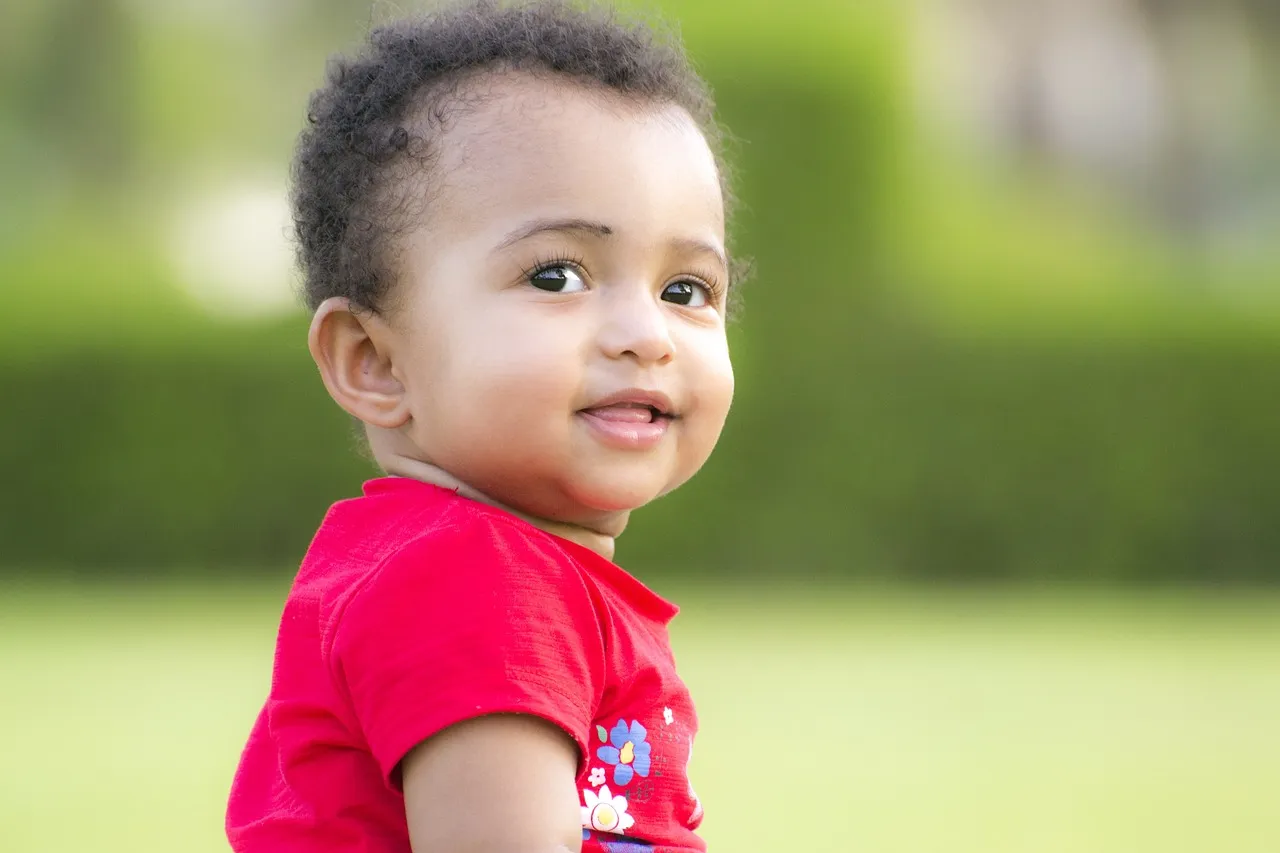
Rotavirus, a name most despised by parents. It is a highly infectious virus that causes diarrhoea in children lasting up to two weeks. It also causes vomiting and high fever. Rotavirus can be so severe that children can quickly become dehydrated and need hospitalisation. It can infect people of all ages but, the infection most often occurs and is more severe in children less than 5 years of age. Worldwide, Rotavirus is responsible for 611,000 childhood deaths, out of which more than 80% occur in low-income countries. (Taneja and Malik, 2012)*.
The virus spreads through the faecal-oral route; infected people infect others when they fail to sanitise their hands properly after a bowel movement. Caregivers of a rotavirus-affected child spread the disease by neglecting to sanitise their hands after cleaning the child or changing a nappy. They transfer the virus to surfaces by touching them, allowing it to infect new victims. When one family member contracts Rotavirus, parents must stay highly attentive to cleaning, hand washing, laundry, food preparation, and trash management.
Symptoms & Treatment
Symptoms of rotavirus infection include fever, nausea, vomiting, abdominal pain, severe watery diarrhoea, and irritability. It can be diagnosed by testing the sample of the stool of the patient. The treatment includes antibiotic therapy along with extensive rehydration therapy. A child can quickly become dehydrated because of recurrent diarrhoea and vomiting.
This hydration can be achieved by taking in extra fluids. Water and ORS (oral rehydration solution) available as a powder as well as tetrapaks. As the vomiting subsides, the child should be put on a liquid diet. The liquid diet can include clear broths of chicken or vegetables, diluted fruit/vegetable juices, and ORS.
As a dip is seen in the frequency of bowel movements, the child should gradually be graduated from liquid to soft diet; but be sure to keep the child hydrated. Offer the child some light soft easy to digest foods like bananas, stewed apples, boiled rice/pasta, khichri/gruels, strained vegetable puree (starchy vegetables like potato or easy-to-digest bottle gourd), and washed pulses as soups. The last thing that should be introduced back into the baby's diet is milk and milk products.
Foods to be avoided include raw vegetables, fruits, high-fibre vegetables like tomatoes, beans, peas, etc. Whole grain cereals and their products, whole pulses, split pulses, dry fruits, nuts, fried and spicy foods, fatty & tough meats.
How to prevent Rotavirus infection?
Get your baby vaccinated, it will prevent the infection. Even if your baby gets the infection it will decrease the severity of it. But there is a small hitch. The vaccine cannot be given once your baby is 8 months old. If your baby has crossed this mark be extra cautious about wiping and cleaning the baby's and your hands before they eat. The same goes for food preparation at least till they cross the 5-year mark.
According to the World Health Organisation (WHO), rotavirus is estimated to cause approximately 215,000 deaths annually in children under 5 years old. What we can do? Educate mothers to get their newborns vaccinated (remember it is only till 8 months) or to identify the symptoms and take timely medical aid.
Suggested Read: http://www.virtualpediatrichospital.org/patients/cqqa/rotavirus.shtml
*Taneja DK, Malik A. Burden of rotavirus in India - Is rotavirus vaccine an answer to it? Indian J Public Health 2012;56:17-21
Image by Nidhil 007 from Pixabay

Shruti Marjara Kushwaha
Nutritionist & Founder, NutriMantra
Shruti blends evidence-based nutrition with practical Indian food guidance, shaped by experience across AIIMS, VLCC, HealthKart, research, counselling, and long-term lifestyle support.
Need help applying this to your routine?
Book a consultation with Shruti for practical, personalised nutrition guidance tailored to your goals, food preferences, and health conditions.
Frequently Asked Questions
What are the best foods to give a child recovering from rotavirus in India?
How can I prevent rotavirus infection in my family?
What are the symptoms of rotavirus infection in children?
Is it safe to give my child fruit juices during rotavirus infection?
Learn with Shruti


Related Articles

Nutritional Strategies for Boosting Immunity
The human immune system is vital to protect the body against various infections and diseases.
Read article →
Diet in the times of covid-19 and ahead
Coronaviruses are a large family of viruses that usually cause respiratory illness. They include viruses that cause the common cold and seasonal flu, as well a…
Read article →
Food for Eyes
Visual impairment is a global epidemic. In developing countries, nutritional deficiency and cataracts continue to be the leading cause of blindness, whereas ag…
Read article →
Comments (0)
No comments yet. Be the first to share your thoughts.
Leave a Comment
Your comment will appear after moderation.