The Anti-Inflammatory Power of Turmeric, Ginger, and Garlic
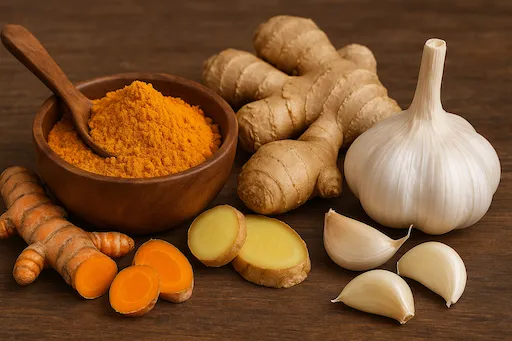
In a world where lifestyle diseases are rising and chronic inflammation is quietly wreaking havoc on our bodies, your kitchen may hold some of the most powerful weapons against it. We are talking about turmeric, ginger, and garlic — ancient spices with promising scientific evidence behind them.
Not only do these pantry staples add flavour and aroma to your dishes, but they also contain compounds that may help reduce inflammation, support immunity, and contribute to overall health.
Let us explore what we know about these spices, what the science says, and most importantly—how to incorporate them into your everyday meals.
What Is Inflammation and Why Should You Care?
Inflammation is your body's natural defence against injury and infection. But when it lingers — triggered by processed food, stress, pollution, or sedentary living — it becomes chronic. It may contribute to conditions like arthritis, heart disease, diabetes, obesity, and even depression.
"Chronic inflammation is associated with many serious illnesses." — Dr. Barry Sears, author of The Anti-Inflammation Zone.
That is where anti-inflammatory foods come in. These foods may help support your body's natural balance when consumed as part of a healthy diet.
The Fantastic Three Anti-Inflammatory Spices: Turmeric, Ginger, and Garlic
Turmeric
Turmeric contains curcumin, a compound studied for its anti-inflammatory and antioxidant properties. Curcumin appears to help inhibit inflammatory enzymes and influence immune responses.
A meta-analysis published in Critical Reviews in Food Science and Nutrition (2020) found that curcumin significantly reduced levels of inflammatory markers such as CRP (C-reactive protein) and IL-6 in people with certain chronic conditions.
Ways to Add Turmeric: Add turmeric to lentils, soups, and curries OR Sprinkle on roasted vegetables or mix into hummus.
Note: It is important to note that on its own curcumin has relatively poor bioavailability. Adding black pepper to turmeric significantly increases curcumin absorption due to piperine, a compound in black pepper.
Ginger
Ginger contains active compounds like gingerols and shogaols, which have been studied for their potential to reduce inflammation, ease muscle soreness, and support digestion.
A study in The Journal of Pain (2010) showed that daily ginger consumption reduced exercise-induced muscle pain by approximately 25% compared to placebo.
Ways to Add Ginger: Grate fresh ginger into soups, stir-fries, smoothies or tea OR Use ginger juice in lemonade or salad dressings.
Note: If you are on blood-thinning medications or have gallbladder disease, consult with your healthcare provider before substantially increasing ginger consumption.
Garlic
Garlic contains allicin, which gives it its pungent smell and has been studied for potential antiviral, antibacterial, and anti-inflammatory benefits. It is also being researched for its effects on heart health and blood sugar regulation.
A study in The Journal of Nutrition (2016) found that aged garlic extract showed promise in reducing inflammation markers and influencing immune cell function in human subjects.
Ways to Add Garlic: Add minced garlic to vegetable sautés, soups, and sauces OR Mix crushed garlic with olive oil, lemon, and salt for a quick salad dressing.
Note: Garlic can interact with certain medications, particularly blood thinners. Allow freshly chopped or crushed garlic to sit for 10 minutes before cooking to maximize allicin formation.
Simple Ways to Include All Three Daily
Morning drink: Warm water + turmeric + ginger + lemon juice + honey (optional) = a flavorful morning beverage.
Versatile chutney: Blend raw garlic, ginger, coriander, green chilli, lemon, and salt for a zingy chutney that pairs with any meal.
One-pot meals: Cook your soups or grain dishes (khichdi/pulao) with turmeric, ginger, and garlic for flavour and potential health benefits.
Flavorful tempering: Give your vegetables or legumes a tempering with garlic, mustard seeds, cumin, and turmeric for a flavour boost.
Turmeric, ginger, and garlic have been used in traditional medicine for centuries, and modern research continues to investigate their potential benefits. While they shouldn't replace medical treatment for serious conditions, incorporating these flavourful ingredients into a balanced diet may offer additional support for your overall well-being.
Start small, see how your body responds, and enjoy the flavours these spices bring to your meals.
Recommended Amounts: Turmeric: 1/4 to 1 teaspoon daily in food, Ginger: 1/4 to 1 teaspoon of grated fresh ginger daily, Garlic: 1-2 cloves daily
A Word of Caution: If you have existing health conditions or take medications, particularly blood thinners, consult your healthcare provider before significantly increasing your consumption of these spices or taking them in supplement form.
Have a Favourite Anti-inflammatory Recipe? Share it in the comments — we would love to see how you use these flavourful spices in your home!

Shruti Marjara Kushwaha
Nutritionist & Founder, NutriMantra
Shruti blends evidence-based nutrition with practical Indian food guidance, shaped by experience across AIIMS, VLCC, HealthKart, research, counselling, and long-term lifestyle support.
Need help applying this to your routine?
Book a consultation with Shruti for practical, personalised nutrition guidance tailored to your goals, food preferences, and health conditions.
Frequently Asked Questions
How can I incorporate turmeric into my daily Indian diet?
Is it true that adding black pepper to turmeric increases its health benefits?
What are some easy ways to include ginger in my meals?
Can garlic help reduce inflammation and how should I use it?
Learn with Shruti


Related Articles

The Impact of Sugar on Your Body: Beyond Weight Gain
Cutting added sugar can smooth energy swings and help brain clarity; in India, swap sweetened coffee and juices for fruit, protein, and fiber.
Read article →
Herbal Teas & their impact on well-being
In today's world where stress and the demands of modern life can take a toll on our well-being, people are looking for natural and holistic approaches to maint…
Read article →
Are You Cooking the Nutrition Out of Your Food?
Cooking doesn’t automatically drain nutrition. Use less water, avoid overcooking, and remember that dal, sambar and curries retain nutrients in their cooking liquid.
Read article →
Comments (0)
No comments yet. Be the first to share your thoughts.
Leave a Comment
Your comment will appear after moderation.