The Art of Portion Control: Eat Smart Without Feeling Deprived
Have you ever opened a family-size packet of chips and finished it in one go? You didn’t plan to finish it, but it happened anyway.
This is where portion control and mindful eating can help. Unlike fad diets that eliminate entire food groups, portion control is about achieving a balanced approach. You eat just enough of everything your body needs, without guilt or feeling deprived.
Portion control is about having the right amount at each meal so you feel satisfied, energetic, and healthy over time.
Why Portion Control Matters?
Most of us eat more than we think. Oversized plates, unlimited buffets, and the 'ek aur bite' habit add up over time. Practising portion control can help because:
- It prevents overeating while still letting you enjoy your favourite foods.
- It keeps your blood sugar steady and supports digestion.
- It helps with weight management naturally, without strict dieting.
- It teaches mindful eating, where you enjoy food instead of eating on autopilot.
You can think of portion control like budgeting your calories, just as you budget your money.
Common Portion Mistakes People Make
- Serving size vs portion size: The nutrition label on biscuits may say 2 pieces = 1 serving, but we often have more than that.
- Eating directly from the packet: Whether it is namkeen, nuts, or ice cream, the bigger the pack, the more you will eat unconsciously.
- Oversized plates and bowls: A bigger plate makes a small portion look inadequate.
- The 'healthy food' trap – Just because nuts, smoothies, or granola are healthy doesn’t mean you can eat them in unlimited amounts.
How to Master Portion Control
Here are some simple, practical ways you can start today:
Use Smaller Plates
Research shows that reducing plate size tricks your brain into feeling satisfied with less food. Swap your big dinner plate for a medium one.
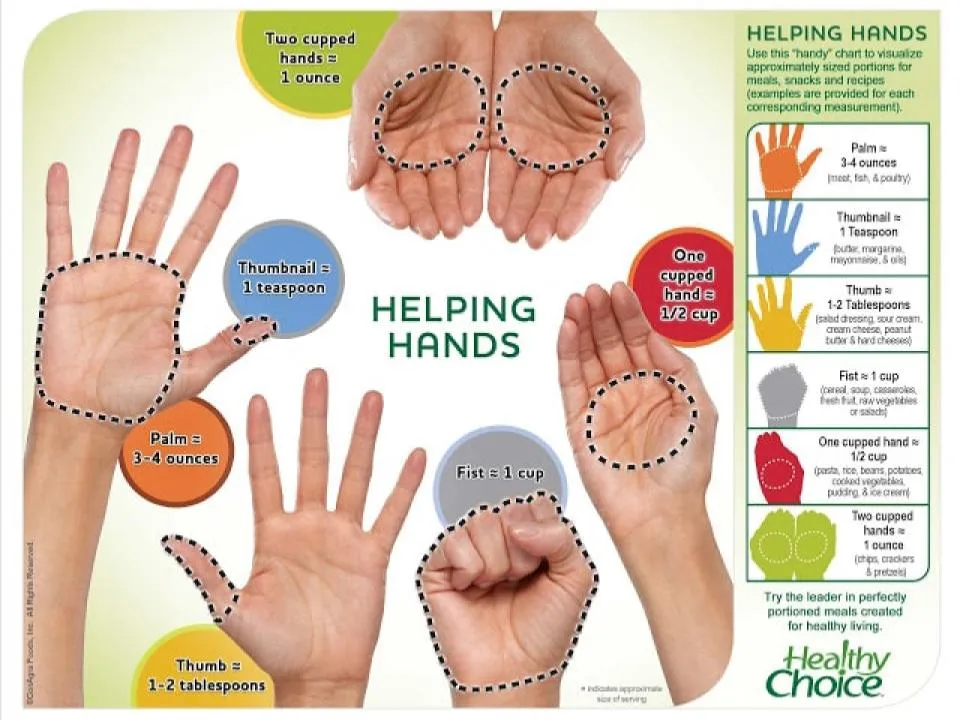
The Hand Rule
- Palm = protein serving (paneer, chicken, pulses)
- Fist = carb serving (rice, roti, idli)
- Thumb = fat serving (oil, ghee, nuts)
- Both hands cupped = veggies and salads serving
Since your hands match your body size, this method is naturally personalised for you.
The Plate Division Method
- Half plate: vegetables & salad
- One-quarter: protein
- One-quarter: carbs
This way, you get a balanced plate without much effort.
Mindful Eating
Eat slowly, chew thoroughly, and avoid distractions from TV or phone. It takes approximately 20 minutes for your brain to register satiety, so give your body a chance to tell you when to stop.
Pre-portion Snacks
Instead of keeping a big packet of namkeen or trail mix on your desk, divide it into small jars or zip-lock bags.
Wait Before Second Helping
Finish your plate, wait for 15–20 minutes, and then decide if you really want more. Often, the craving passes.
Portion Control in the Indian Context
- Dal: 1 medium katori is enough for one meal.
- Rice: A portion is about the size of your fist (½ to 1 cup cooked).
- Roti: 1–2 medium chapatis with sabzi is usually enough for most adults.
- Snacks: A handful of roasted makhana (foxnut) or chana, not a full bowl. A tablespoon of nuts / trail mix.
- Desserts: Enjoy a gulab jamun or barfi, but stick to one piece instead of three.
During festivals or weddings, taste everything you love, just take smaller servings instead of piling the plate.
Tools That Can Help
- Measuring cups/spoons: Use them in the beginning when you start with portion control to understand portion sizes.
- Smaller katoris: Serve dal, sabzi, or dessert in small bowls.
- Bento-style boxes: Help with balanced portions for office tiffins.
Once you start practising portion control, you will see subtle but powerful changes like:
- Steady energy without afternoon crashes.
- Less bloating or heaviness after meals.
- Easier weight management without 'dieting'.
- Better appreciation of food flavours, since you eat slowly and mindfully.
Key takeaways: Focus on balance, be mindful, use practical measures (like your hand or plate), and personalise portions to your needs. Consistency is more important than perfection.
Start small by using a medium plate tonight or portioning snacks ahead of time. Consistent small habits like mindful eating and practical portioning lead to lasting results.
It is not what you eat once in a while, but what you eat daily that shapes your health.
Pic Courtesy: Helping Hands Portion Control by ConAgra Foods

Shruti Marjara Kushwaha
Nutritionist & Founder, NutriMantra
Shruti blends evidence-based nutrition with practical Indian food guidance, shaped by experience across AIIMS, VLCC, HealthKart, research, counselling, and long-term lifestyle support.
Looking for a sustainable way to lose weight without cutting out real food?
Shruti helps turn nutrition advice into a realistic plan you can follow at home, at work, and while eating out.
Frequently Asked Questions
How can I practice portion control with Indian meals?
What are common portion mistakes people make in Indian diets?
How does portion control help with weight management in India?
What practical tips can I use for portion control at Indian buffets?
Learn with Shruti



Related Articles

The Role of Hormones in Weight Loss: What Everyone Should Know
“I have tried everything—but the weight just won’t come off!” If you have ever felt this way, you are not alone. And you are not imagining it.
Read article →
Benefits of Mindful Eating & Its Impact on our Health
In a world where fast-paced lifestyles and busy schedules often dictate our eating habits, mindful eating offers a refreshing approach to nourishing both body…
Read article →
Celebrate a Healthier Diwali with Smart Eating Choices
Diwali, the festival of lights, is a joyous time for families to come together, exchange gifts, light up their homes with diyas, and, of course, indulge in swe…
Read article →
Comments (0)
No comments yet. Be the first to share your thoughts.
Leave a Comment
Your comment will appear after moderation.