The Gut-Brain Axis: How Your Microbiome Affects Your Mood
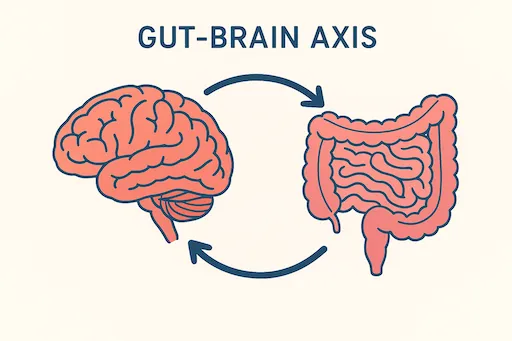
Ever had “butterflies in your stomach” before a big presentation or felt your gut clench during stressful news? That’s not just a figure of speech; it is your gut and brain in conversation. Scientists now refer to this as the gut-brain axis, a two-way communication network that links your digestive system with your central nervous system. And at the heart of this conversation lies your microbiome, trillions of bacteria that live in your gut.
The Science Behind the Gut-Brain Axis
Research has shown that the gut and brain communicate through nerves (especially the vagus nerve), hormones, and immune signals. About 90% of the body’s serotonin, the “feel-good” neurotransmitter, is produced in the gut, not the brain. This means the state of your gut microbiome can influence how you feel emotionally.
In fact, studies have found that people with anxiety and depression often show differences in gut bacteria compared to those without these conditions. A 2019 review published in Nature Microbiology suggested that certain bacterial strains are linked with higher happiness scores, while others are more common in people experiencing low mood.
Foods That Support Mental Health
What you eat directly shapes your microbiome and your mood. Diets rich in whole, plant-based foods tend to support a healthier gut environment. The Mediterranean diet, for instance, which emphasises vegetables, fruits, legumes, nuts, and olive oil, has been linked with lower rates of depression.
Some mood-boosting gut-friendly foods include:
- Fermented foods: yoghurt, kefir, kimchi, sauerkraut, idli, and dosa batter, all naturally rich in probiotics.
- Fibre-rich foods: beans, lentils, oats, bananas, and leafy greens. Fibre feeds the good bacteria in your gut.
- Omega-3 sources: flaxseeds, walnuts, and chia seeds — known to support brain health and reduce inflammation.
Probiotics and Their Role in Reducing Anxiety and Depression
Probiotics, the live “good bacteria” in fermented foods or supplements, have gained attention for their potential to support mental health. In one fascinating study from Psychiatry Research (2017), participants who consumed probiotics reported lower stress and anxiety compared to those who didn’t. Another trial found that a specific strain, Lactobacillus rhamnosus, reduced stress-induced behaviours in animals by influencing GABA receptors, the same system targeted by some anti-anxiety medications.
While we can’t call probiotics a “magic pill” for mental health, they appear to be powerful allies when combined with lifestyle and dietary changes.
The Impact of Sugar and Processed Foods on Mood
On the flip side, diets high in sugar and ultra-processed foods can disrupt the gut microbiome and worsen mood. Ever noticed how a sugar rush is quickly followed by a slump? Refined sugar spikes blood glucose and then crashes it, leaving you irritable and fatigued. Processed foods also promote inflammation, which is increasingly being recognised as a factor in depression.
Anecdotally, many people who reduce their consumption of processed foods report not only better digestion but also improved clarity, calmer moods, and better sleep.
Tips for Improving Gut Health Naturally
The good news is you don’t need drastic changes to support your gut-brain axis. Small, consistent steps can make a big difference:
- Eat more plants: Aim for 25–30 grams of fibre daily. Think colourful fruits, vegetables, and whole grains.
- Include fermented foods regularly: A small bowl of curd or a spoonful of sauerkraut daily goes a long way.
- Stay hydrated: Water helps fibre do its job and keeps your digestion smooth.
- Manage stress: Meditation, yoga, and even a daily walk can help regulate the gut-brain conversation.
- Sleep well: Poor sleep disrupts gut bacteria, which in turn can affect mood.
Your gut is not just a digestive organ; it is an emotional powerhouse. Nurturing your microbiome with real, whole foods and mindful habits can lift your mood, calm your mind, and improve overall well-being. The next time you feel low, maybe don’t just ask, “What’s on my mind?” but also, “What’s in my gut?”

Shruti Marjara Kushwaha
Nutritionist & Founder, NutriMantra
Shruti blends evidence-based nutrition with practical Indian food guidance, shaped by experience across AIIMS, VLCC, HealthKart, research, counselling, and long-term lifestyle support.
Dealing with bloating, sluggish digestion, or a sensitive gut?
A personalised consultation can help you identify practical food patterns, fibre balance, and meal structures that feel better.
Frequently Asked Questions
How can I improve my gut health to boost my mood using Indian foods?
What are some Indian sources of omega-3 fatty acids for better brain health?
Are probiotics effective for reducing anxiety and depression, and what Indian foods contain them?
What lifestyle changes can I make to support the gut-brain axis?
Learn with Shruti


Related Articles

Are You Cooking the Nutrition Out of Your Food?
Cooking doesn’t automatically drain nutrition. Use less water, avoid overcooking, and remember that dal, sambar and curries retain nutrients in their cooking liquid.
Read article →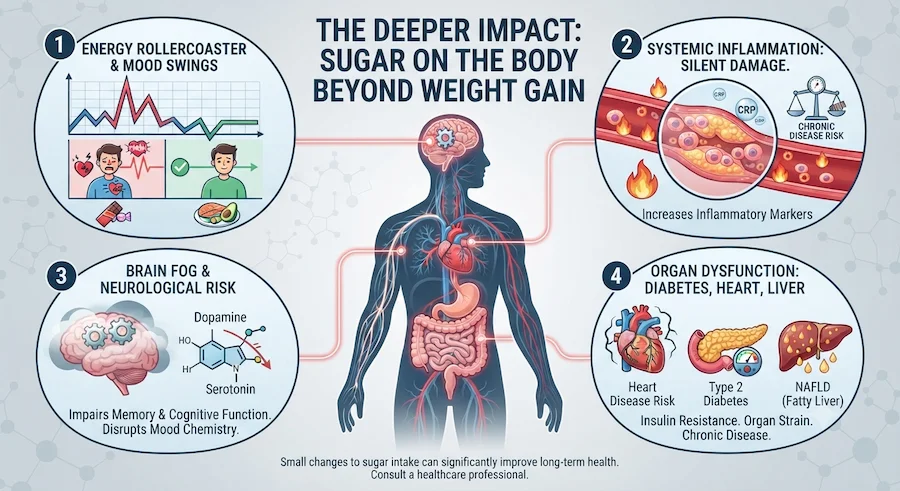
The Impact of Sugar on Your Body: Beyond Weight Gain
Cutting added sugar can smooth energy swings and help brain clarity; in India, swap sweetened coffee and juices for fruit, protein, and fiber.
Read article →
Menopause & Nutrition: Bones, Weight & What to Actually Eat
> The women who do best through perimenopause aren't the ones who change everything. They understand what's happening and make...
Read article →
Comments (0)
No comments yet. Be the first to share your thoughts.
Leave a Comment
Your comment will appear after moderation.