The Portfolio Diet: A Science-Based, Heart-Healthy Diet
Let us talk about something that affects millions of us: heart health.
We are seeing heart disease cases rise faster than almost anywhere else in the world, and they are showing up earlier, too. Your uncle, who had a heart attack at 45. Your colleague is taking statins in her 30s. These stories are becoming far too common.
Genetics definitely plays a part, but we can control what we eat. And honestly? Most of us are eating too many refined carbs and not nearly enough fibre. Our traditional diets used to be so much better for our hearts.
But here's the good news: small, smart changes to what you eat can make a massive difference.
The Portfolio Diet
You have probably heard of cholesterol-friendly diets before. They usually tell you not to eat this, avoid that, cut out the other thing.
The Portfolio Diet flips that script entirely. Instead of taking foods away, it focuses on adding specific foods that work together to lower your LDL cholesterol (the "bad" kind).
Dr David Jenkins from the University of Toronto developed this approach, and it is brilliant in its simplicity. Rather than relying on a single magic nutrient, he combined several cholesterol-lowering components. Each one helps a little on its own, but together the results are impressive.
Clinical studies show the Portfolio Diet can lower LDL cholesterol by up to 30%. This is comparable to what you would get from mild statin therapy, except you are doing it with food.
Think of it like building an investment portfolio for your health. Every good food choice is a deposit. Over time, those deposits compound into real, measurable benefits.
The Four Pillars of Portfolio Diet
1. Plant Proteins
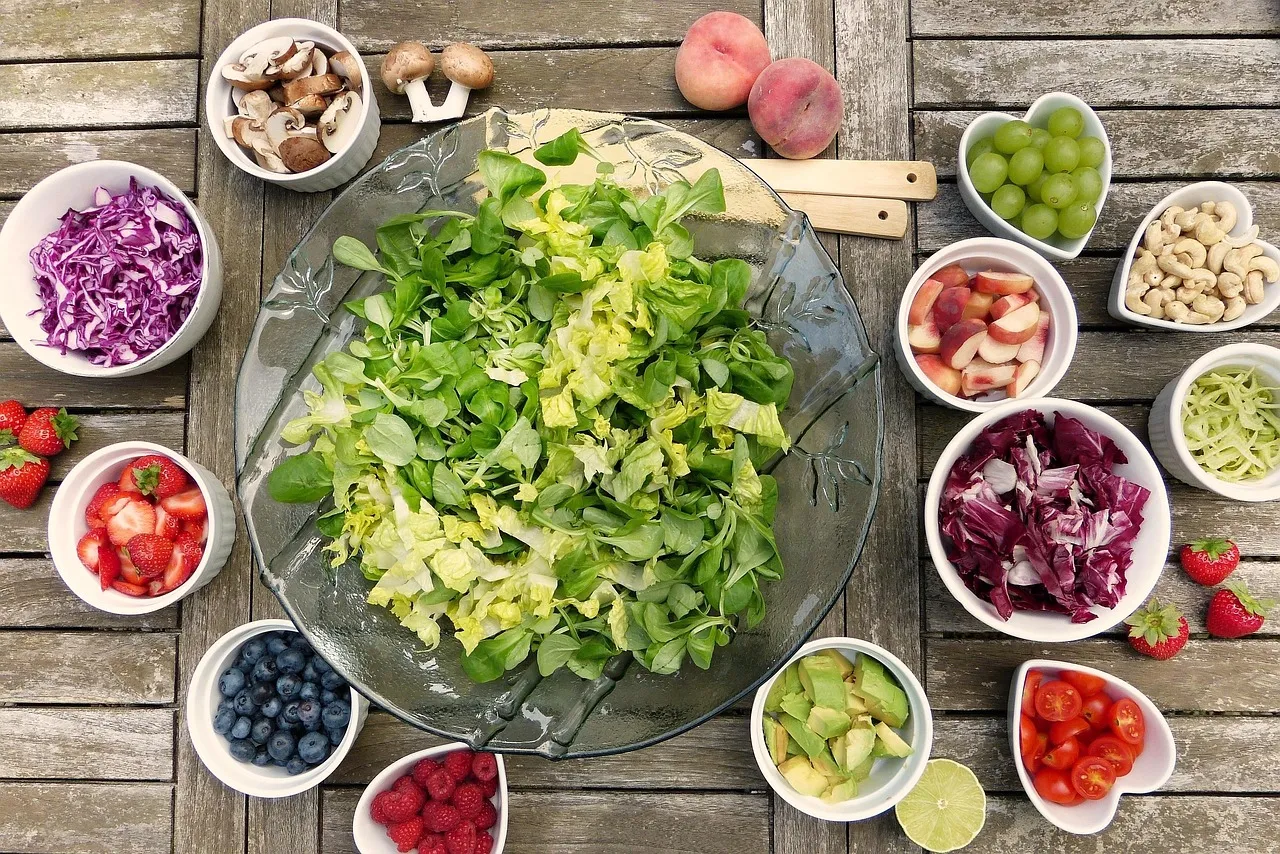
We are talking about soy, lentils, beans, peas, tofu, and sprouts. Good news? You probably already eat some of these regularly.
Here is how to level up:
- Try swapping paneer for tofu in your next curry (trust me, season it well and you won't miss a thing)
- Already eating dal? Just make sure you are having it regularly. Moong, masoor, rajma, chole, whatever you like
- Ever tried a sattu smoothie? Mix roasted chana powder with curd and flaxseed. It is an absolute fibre-protein powerhouse.
2. Viscous Fibre
This is the sticky, soluble kind of fibre found in oats, barley, methi seeds, psyllium husk, apples, guava, and citrus fruits. It literally helps trap cholesterol and sweep it out of your system.
Easy wins:
- Soak some methi seeds overnight and add them to your atta or toss them into your sabzi.
- Swap your morning poha or suji for oats or barley upma; same comfort, way more fibre.
- Snacking? Reach for a guava or an orange instead of biscuits.
3. Nuts
Almonds, walnuts, pistachios, peanuts; unsalted, of course.
Just a small handful daily (think 7-8 almonds and 1-2 walnuts) provides healthy fats that support healthy cholesterol levels.
Make it effortless:
- Toss them into your raita or smoothie.
- Sprinkle them over khichdi or salads for crunch.
- Keep a small zip-lock bag in your bag for emergency snacking.
4. Plant Sterols
These are naturally found in cold-pressed oils such as mustard, sesame, and groundnut oil, as well as in nuts, seeds, and some fortified foods. They block cholesterol absorption in your gut.
The Indian advantage here:
- Switch back to traditional cold-pressed oils instead of those ultra-refined ones.
- Rotate your oils; mustard this week, sesame next week, groundnut after that.
- Sprinkle flaxseed or sunflower seed powder on salads, soups, or even rotis
What Does Science Actually Say?
Everyone claims their diet is "backed by research." But the Portfolio Diet genuinely has the receipts:
Jenkins and team published in JAMA (2011): People following the Portfolio Diet saw their LDL cholesterol drop by 13% in just six months. That beat out conventional low-fat diets.
A big meta-analysis in 2017 (published in Progress in Cardiovascular Diseases) looked at multiple studies and found consistent improvements—not just in LDL, but also total cholesterol and markers of inflammation.
And here's the kicker for us: A 2023 review in Nutrition & Metabolism specifically looked at South Asians and found that plant-based diets rich in legumes and nuts significantly lowered heart disease risk in our population.
So yes, this isn't just theory. These foods genuinely change how your body handles cholesterol and inflammation.
Making It Work with Indian Meals
Let me show you how beautifully this fits into what we already eat:
| Plant Protein | Moong, masoor, rajma, chole, tofu | Aim for 2 dal-based meals daily; try tofu bhurji once |
| Viscous Fiber | Oats, barley, methi, psyllium, guava | Start your day with oats/barley; knead methi into atta |
| Nuts | Almonds, walnuts | Pre-portion into small bags; makes it easier to stick to |
| Plant Sterols | Mustard oil, sesame, flaxseed | Use cold-pressed; sprinkle seeds generously |
A Day in the Life: Sample Meal Plan
Morning: Oats porridge topped with flaxseeds and apple slices, plus green tea
Mid-morning snack: Handful of nuts, 5-7 almonds, and 2 walnuts
Lunch: Moong dal khichdi (made with rice and a bit of barley), lauki sabzi cooked in mustard oil, and mint-cucumber raita
Evening: A refreshing sattu drink with chia seeds, or just some roasted chana
Dinner: Rajma curry or masoor dal, multigram roti (kneaded with soaked methi seeds), and whatever vegetables you have on hand, stir-fried
See? Nothing weird. Nothing expensive or hard to find. Just thoughtful versions of meals you probably already make.
A Few Things to Keep in Mind
- Whole foods win: Skip the processed "low-fat" stuff. Go for real, whole ingredients.
- Fibre in every meal: Seriously, try to include at least one fibre-rich food each time you eat
- Easy on refined carbs and sugar: You don't have to eliminate them, just dial them back
- Move your body: Pair this eating plan with daily movement and plenty of water.
- Progress, not perfection: You are going to have days where you don't hit every pillar. That's fine. Just keep showing up.
The Bottom Line
The Portfolio Diet isn't asking you to give up your favourite foods or abandon your culinary heritage. If anything, it is inviting you to reconnect with ingredients we have used for generations: dals, whole grains, nuts, and traditional oils.
Your everyday thali can absolutely be your most powerful tool for heart health. You don't need fancy superfoods or expensive supplements.
Just like compound interest grows your savings, these small, sustainable food choices compound into real cardiovascular benefits over time.
Start small. Stay consistent. Your heart will thank you.

Shruti Marjara Kushwaha
Nutritionist & Founder, NutriMantra
Shruti blends evidence-based nutrition with practical Indian food guidance, shaped by experience across AIIMS, VLCC, HealthKart, research, counselling, and long-term lifestyle support.
Trying to improve cholesterol, blood pressure, or overall heart health?
Shruti can help you translate nutrition science into an Indian meal pattern that supports long-term heart health.
Frequently Asked Questions
What are some Indian foods that fit into the Portfolio Diet?
How can I replace paneer in my Indian dishes to follow the Portfolio Diet?
Is it true that the Portfolio Diet can lower cholesterol without medication?
What are some easy ways to include viscous fiber in my daily meals?
Learn with Shruti

Related Articles
Are You Cooking the Nutrition Out of Your Food?
Cooking doesn’t automatically drain nutrition. Use less water, avoid overcooking, and remember that dal, sambar and curries retain nutrients in their cooking liquid.
Read article →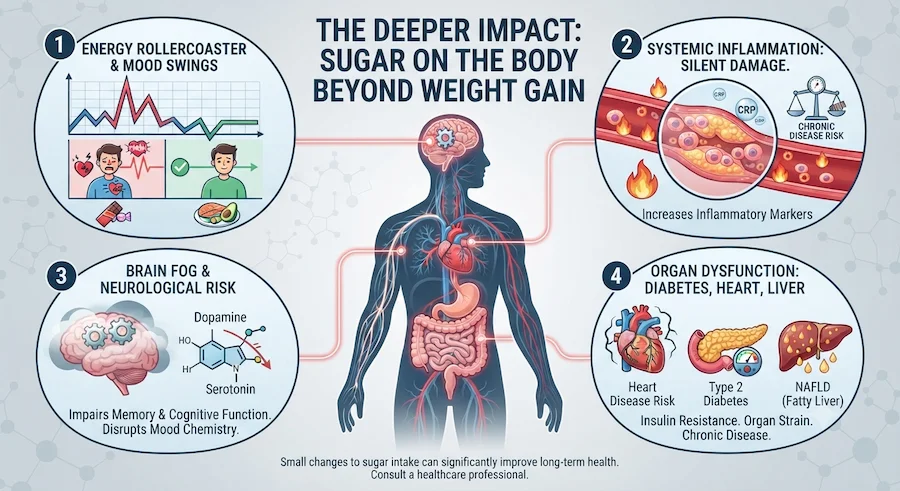
The Impact of Sugar on Your Body: Beyond Weight Gain
Cutting added sugar can smooth energy swings and help brain clarity; in India, swap sweetened coffee and juices for fruit, protein, and fiber.
Read article →
Menopause & Nutrition: Bones, Weight & What to Actually Eat
> The women who do best through perimenopause aren't the ones who change everything. They understand what's happening and make...
Read article →
Comments (0)
No comments yet. Be the first to share your thoughts.
Leave a Comment
Your comment will appear after moderation.