The Rise of Functional Foods: Where Nutrition Meets Innovation
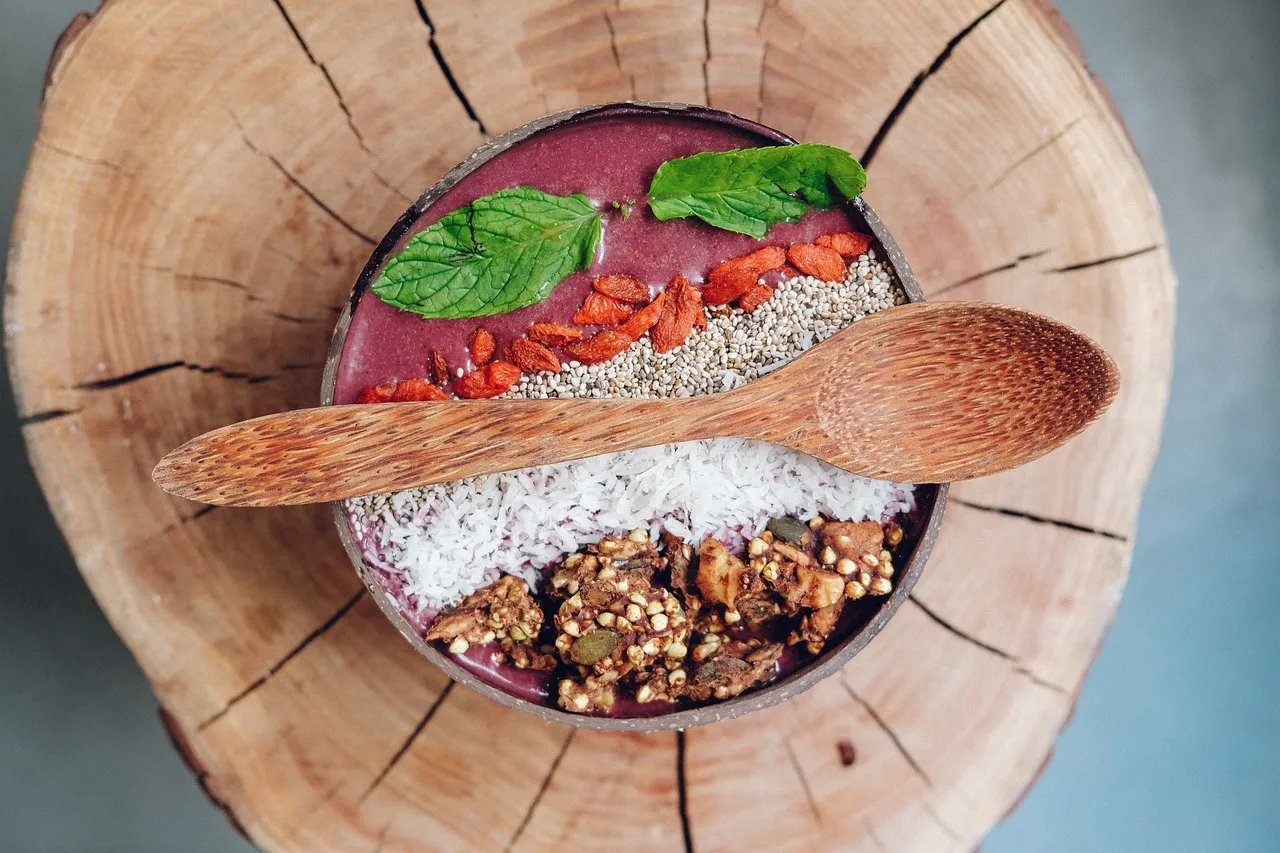
In recent years, functional foods have transformed from a niche trend into a cornerstone of modern nutrition, revolutionising how we think about diet and health. These remarkable foods go beyond simply satisfying hunger or providing basic nutrients – they offer additional health benefits that can help prevent disease and enhance overall well-being.
What are 'Functional Foods'?
But what exactly makes a food "functional"? These are foods containing bioactive compounds that provide specific health benefits. Think of omega-3-enriched eggs, probiotic yogurt, or naturally nutrient-dense options like nuts, berries, and green tea. The Academy of Nutrition and Dietetics recognises these foods as part of a broad category that offers physiological benefits while reducing the risk of chronic diseases.
The surge in popularity of functional foods isn't surprising. As public awareness of nutrition's role in preventing chronic diseases grows, consumers are increasingly seeking foods that do more for their health. Also, scientific research continues to validate the benefits of these foods.
Common Categories of Functional Foods
Popular Among the most popular categories, fermented foods have gained particular attention thanks to emerging research on the gut-brain connection. Products like kimchi, kombucha, and kefir have shown promising results in improving gut microbiome diversity and enhancing immune system function. This was proven according to research from the University of California, San Francisco.
Antioxidant-rich superfoods represent another crucial category. Berries, dark leafy greens, and spices like turmeric contain powerful compounds that protect cells from oxidative stress and inflammation. As Professor Gary Williamson from the University of Leeds explains, these properties potentially reduce the risk of chronic diseases.
The fortification of foods has also become increasingly sophisticated. While vitamin D-fortified milk has been around for decades, we now see products enhanced with plant sterols for heart health and specialised peptides for muscle recovery. In India, this trend has merged with traditional wisdom. Ancient functional foods like turmeric, ginger, and amla are now joined by modern innovations such as fortified atta (flour) and vitamin-enriched dairy products.
However, the functional food movement isn't without its challenges. Over-commercialisation has led to some products making unsubstantiated claims, making it crucial for consumers to rely on scientifically validated information. Cost remains another significant barrier. These products often come with premium price tags that can make them inaccessible to many.
What is the verdict?
As Dr. Marion Nestle, a renowned nutritionist, wisely notes, "Functional foods can be valuable, but they are not a substitute for a balanced diet rich in fruits, vegetables, whole grains, and lean proteins." This perspective reminds us that while functional foods are powerful tools for health management, they should complement rather than replace a well-rounded diet.
Looking ahead, the functional food industry shows no signs of slowing down. As biotechnology advances and our understanding of the gut microbiome deepens, we can expect to see new products targeting specific health outcomes. The ancient wisdom of "Let food be thy medicine" has found new relevance in these innovative foods, marking an exciting chapter in the evolution of human nutrition.
Image by Ella Olsson from Pixabay

Shruti Marjara Kushwaha
Nutritionist & Founder, NutriMantra
Shruti blends evidence-based nutrition with practical Indian food guidance, shaped by experience across AIIMS, VLCC, HealthKart, research, counselling, and long-term lifestyle support.
Need help applying this to your routine?
Book a consultation with Shruti for practical, personalised nutrition guidance tailored to your goals, food preferences, and health conditions.
Frequently Asked Questions
What are some examples of functional foods available in India?
How can I incorporate functional foods into my daily Indian diet?
Are functional foods effective in preventing chronic diseases?
Is it a myth that all health foods are functional foods?
Learn with Shruti



Related Articles

Are You Cooking the Nutrition Out of Your Food?
Cooking doesn’t automatically drain nutrition. Use less water, avoid overcooking, and remember that dal, sambar and curries retain nutrients in their cooking liquid.
Read article →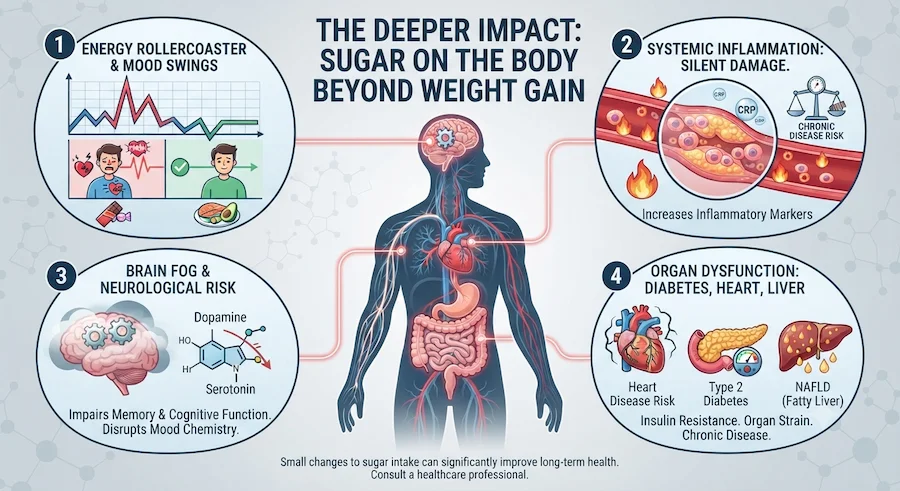
The Impact of Sugar on Your Body: Beyond Weight Gain
Cutting added sugar can smooth energy swings and help brain clarity; in India, swap sweetened coffee and juices for fruit, protein, and fiber.
Read article →
Menopause & Nutrition: Bones, Weight & What to Actually Eat
> The women who do best through perimenopause aren't the ones who change everything. They understand what's happening and make...
Read article →
Comments (0)
No comments yet. Be the first to share your thoughts.
Leave a Comment
Your comment will appear after moderation.