The Role of Hormones in Weight Loss: What Everyone Should Know
“I have tried everything—but the weight just won’t come off!”
If you have ever felt this way, you are not alone. And you are not imagining it.
The hidden culprits? Your hormones.
Hormones & Weight: What is the Link?
Our body is run by a complex team of chemical messengers—hormones—and when they are off-balance, even the best diet and workout plan might fall flat.
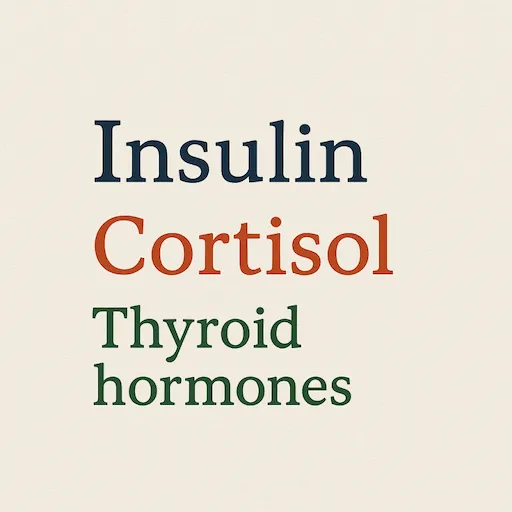
Let us look at the big three:
Insulin
Insulin is released after eating, especially carbohydrates. It helps cells absorb glucose for energy and stores excess sugar available in the body as fat. Chronically elevated insulin = insulin resistance, makes weight loss feel like a never-ending uphill climb.
Cortisol
Cortisol is released in response to stress (even the daily drama counts). It signals the body to hold onto fat, especially around the tummy. It also triggers sugar cravings because cortisol thinks that you are running from a tiger, not from a deadline.
Thyroid Hormones
T3 and T4 control how fast (or slow) you burn energy. Low thyroid function = sluggish metabolism, fatigue, and weight gain.
Reena*, 38, a school teacher, couldn’t understand why her weight kept climbing despite her healthy routine. We discovered her thyroid levels were low, and her cortisol was through the roof from chronic stress. With small, consistent tweaks, her weight started decreasing, without drastic dieting.
Foods That Work With Your Hormones
Here is the good news: you can eat your way to balance. Following foods might help you in balancing your hormones.
Protein-Rich Foods: Eggs, paneer, lentils, and tofu help manage ghrelin (hunger hormone) and stabilise insulin.
Healthy Fats: Avocados, ghee, seeds, and nuts support hormone production and reduce inflammation.
Cruciferous Vegetables: Think cabbage, broccoli, and cauliflower—these help the body process excess estrogen. But these need to be consumed with caution by people with underactive thryoid.
Flaxseeds: Rich in lignans—compounds that naturally support estrogen balance.
Cinnamon: Improves insulin sensitivity and helps control blood sugar levels.
Stress: The Silent Weight-Gain Trigger
A 2015 study in Obesity found that women under chronic stress burned fewer calories and had higher abdominal fat, despite similar food intake.
Easy Stress-Busters:
10 minutes of deep breathing or stretching / Journaling your thoughts / Swapping one HIIT session for a gentle walk / Laughing out loud at silly jokes (yes, that counts too!)
Nutritionist's Note:
Your morning cup of tea in peace might be doing more for your waistline than a punishing workout done under stress.
Sleep: The Unsung Hormone Hero
Poor sleep = hormonal havoc
Here's how it affects you:
Less leptin ? You don’t feel full. More ghrelin ? You feel hungrier. Worse insulin response ? You store more fat.
Goal: 7–8 hours of consistent, quality sleep. Same bedtime. Same wake time. Your hormones will thank you.
Hormone-Friendly Meal Planning Tips
You don’t need a diet chart. You need rhythm, balance, and a little planning.
Smart Plate Formula:
½ plate veggies (raw, cooked, or both) + ¼ plate protein (dal, paneer, eggs, chicken) + ¼ plate whole grains (brown rice, whole wheat roti) + a teaspoon of healthy fat (ghee, olive oil, mustard oil, seeds)
Time it Right:
Eat every 4–5 hours + Don’t skip breakfast + Avoid heavy meals post 9 PM
Sneaky Hormone-Helping Habits:
Sprinkle flaxseed on curd or veggies / Add grated carrots to roti dough / Snack on soaked almonds and walnuts / Keep veggies pre-chopped and ready in the fridge.
Shalini*, 41, used to skip breakfast and eat her first meal at 2 PM. Once we added a protein-rich breakfast and regulated meal timings, her energy stabilised, her cravings dropped, and her weight started moving in the right direction.
Final Thoughts: Listen to Your Body
Weight loss isn’t always about willpower. Sometimes, it’s about hormonal harmony. If you feel like your body is fighting you, it might be time to stop fighting it and start working with it. Because when your hormones are happy, your metabolism, energy, and weight often follow suit.
*Names changed on request

Shruti Marjara Kushwaha
Nutritionist & Founder, NutriMantra
Shruti blends evidence-based nutrition with practical Indian food guidance, shaped by experience across AIIMS, VLCC, HealthKart, research, counselling, and long-term lifestyle support.
Trying to manage PCOS symptoms through everyday food choices?
Shruti can help you build a practical Indian eating plan that supports hormones, satiety, and consistency.
Frequently Asked Questions
How can I balance my hormones to aid weight loss in an Indian diet?
What Indian foods can help with insulin resistance?
Does stress really affect weight loss in Indian lifestyles?
Are there any specific foods I should avoid for thyroid health?
Learn with Shruti

Related Articles
Benefits of Mindful Eating & Its Impact on our Health
In a world where fast-paced lifestyles and busy schedules often dictate our eating habits, mindful eating offers a refreshing approach to nourishing both body…
Read article →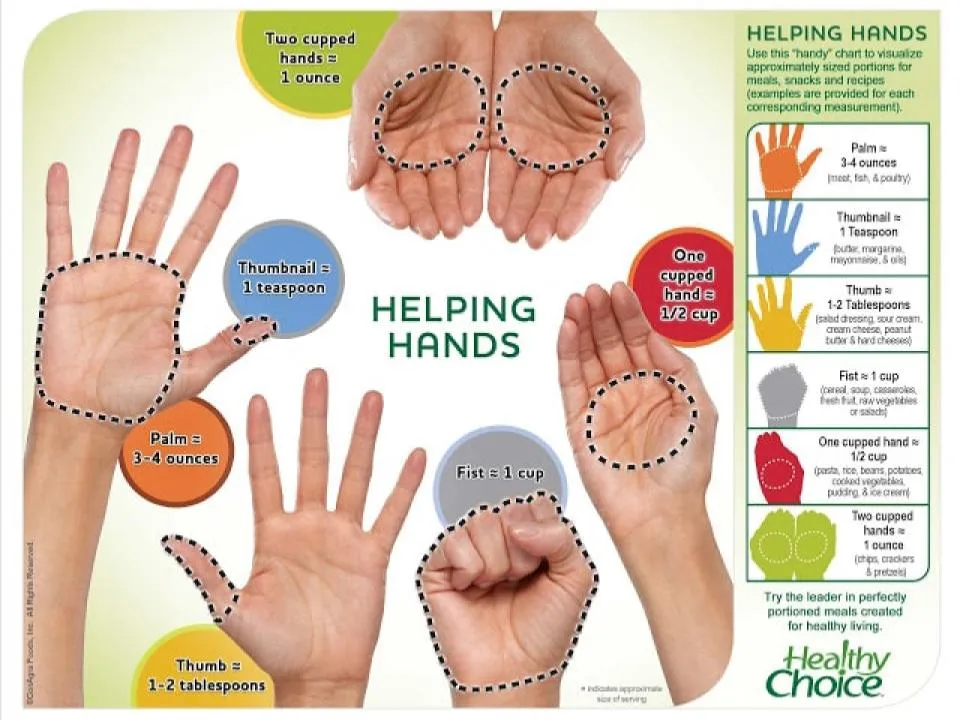
The Art of Portion Control: Eat Smart Without Feeling Deprived
Have you ever opened a family-size packet of chips and finished it in one go? You didn’t plan to finish it, but it happened anyway.
Read article →
Does Apple Cider Vinegar Really Help with Weight Loss?
Apple cider vinegar (ACV) has been hyped as a miracle drink for weight loss — but does it really work, or is it just another trend?
Read article →
Comments (0)
No comments yet. Be the first to share your thoughts.
Leave a Comment
Your comment will appear after moderation.