Understanding Anaemia: Beyond Iron Deficiency
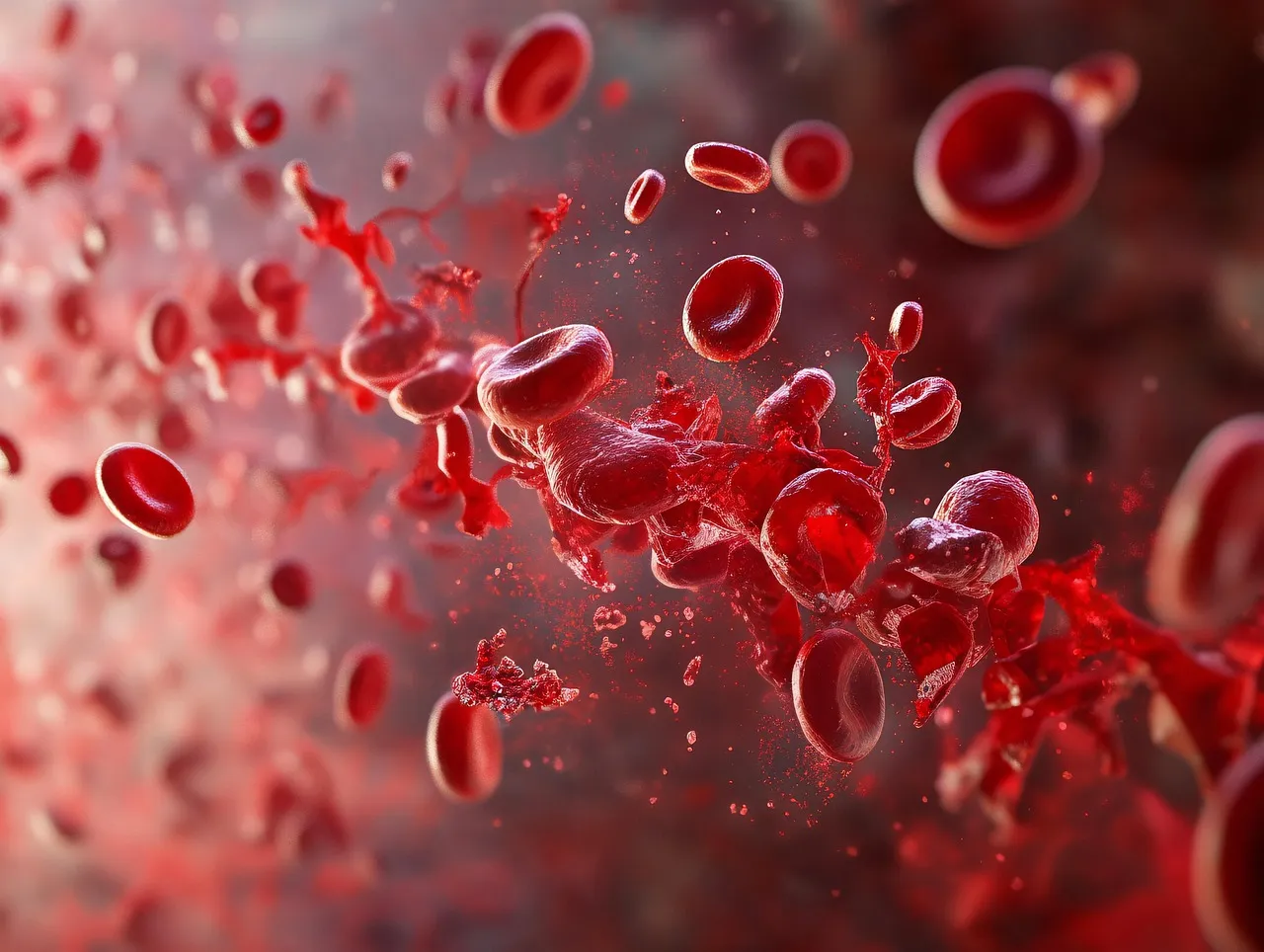
When most people hear the word anaemia, they immediately think of an iron deficiency. While that’s often true, anaemia is actually a much broader condition. It simply means your blood doesn’t have enough healthy haemoglobin (the protein that carries oxygen). And there are different types of anaemia, each with its own cause, symptoms, and treatment.
Let’s break them down.
Iron Deficiency Anaemia (The Most Common One)
This is the type most people are familiar with. It happens when your body doesn’t have enough iron to make healthy red blood cells.
Why does it happen?
- Heavy or prolonged periods in women
- Slow blood loss from the stomach or intestines (like ulcers, parasites, or other gut issues)
- Poor absorption of iron due to stomach problems (for example, very low stomach acid or chronic diarrhoea)
Common signs:
- Constant tiredness and low energy
- Pale skin and pale lips/nails
- Shortness of breath when you exert yourself
- Brittle nails
- Small, pale-looking blood cells (seen in tests)
Vitamin B12 and Folate Deficiency Anaemias
Pernicious Anaemia (Vitamin B12 Deficiency)
This happens when the body can’t absorb vitamin B12 properly because it lacks a protein called intrinsic factor. Without B12, red blood cells can’t develop normally.
Typical signs:
- Larger-than-normal red blood cells
- Tingling or numbness in hands and feet
- Fatigue
- More common in people over 60
Treatment: Usually lifelong vitamin B12 injections, which work very well.
Folate Deficiency Anaemia
Folate (also called folic acid) is another B vitamin needed for red blood cell production. A lack of it leads to anaemia.
Who’s at risk:
- People not eating enough fresh fruits/vegetables
- Pregnant women (higher demand for folate)
- People with heavy alcohol use
Thankfully, in many countries, flour and cereals are fortified with folic acid, so it’s less common today.
Megaloblastic Anaemia
When both vitamin B12 and folate are low, the bone marrow produces large, abnormal cells that don’t mature properly.
Effects:
- Low blood counts across the board (red cells, white cells, platelets)
- Folate deficiency ? gut-related symptoms
- Vitamin B12 deficiency ? nerve-related symptoms
Hemolytic Anaemia (When Blood Cells Break Too Soon)
Here, red blood cells get destroyed faster than the body can replace them.
Causes:
- Inherited conditions like sickle cell anaemia, thalassemia, or spherocytosis
- Acquired causes such as antibodies, medications, or infections
Clues:
- Typical symptoms plus jaundice (yellow skin/eyes)
- Enlarged spleen
- In severe cases, heart and liver strain
Aplastic Anaemia (Bone Marrow Shutdown)
This is a rare but serious type, where the bone marrow stops producing enough blood cells.
Possible causes:
- Chemicals like arsenic
- Radiation exposure
- Sometimes unknown reasons
Signs:
- Low red blood cells (causing fatigue)
- Low white blood cells (more infections)
- Low platelets (easy bleeding/bruising)
Key Takeaways
- Anaemia is not just low iron; it has many types and causes.
- Iron deficiency anaemia is the most common, especially in women of reproductive age.
- Other forms, such as B12/folate deficiency, hemolytic, or aplastic anaemia, require very different treatments.
- Proper diagnosis is important before starting supplements or treatment.
If you suspect anaemia, don’t self-medicate. Get a blood test and talk to a doctor. The right treatment depends on the cause, not just the symptoms.

Shruti Marjara Kushwaha
Nutritionist & Founder, NutriMantra
Shruti blends evidence-based nutrition with practical Indian food guidance, shaped by experience across AIIMS, VLCC, HealthKart, research, counselling, and long-term lifestyle support.
Need help applying this to your routine?
Book a consultation with Shruti for practical, personalised nutrition guidance tailored to your goals, food preferences, and health conditions.
Frequently Asked Questions
What are the common symptoms of iron deficiency anaemia in Indian women?
How can I increase my vitamin B12 levels through Indian foods?
Is folate deficiency anaemia common in pregnant women in India?
What lifestyle changes can help prevent anaemia in Indian households?
Learn with Shruti

Related Articles

Are You Cooking the Nutrition Out of Your Food?
Cooking doesn’t automatically drain nutrition. Use less water, avoid overcooking, and remember that dal, sambar and curries retain nutrients in their cooking liquid.
Read article →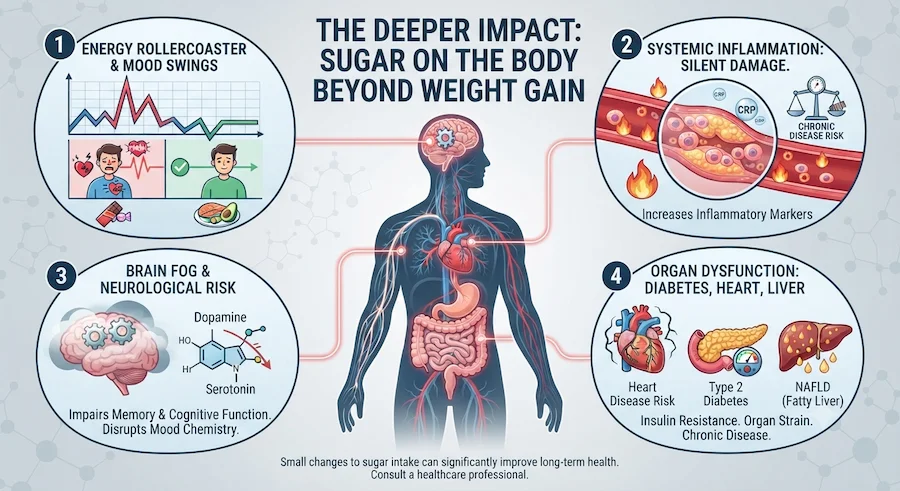
The Impact of Sugar on Your Body: Beyond Weight Gain
Cutting added sugar can smooth energy swings and help brain clarity; in India, swap sweetened coffee and juices for fruit, protein, and fiber.
Read article →
Menopause & Nutrition: Bones, Weight & What to Actually Eat
> The women who do best through perimenopause aren't the ones who change everything. They understand what's happening and make...
Read article →Comments (4)
Leave a Comment
Your comment will appear after moderation.
help burn fat · May 19, 2015 12:14 PM
Great article! We will be linking to this great post on our site. Keep up the great writing.
Sannycap · Dec 07, 2018 07:48 PM
Make more new posts, please :)
Jyotsna Rai · Sep 30, 2025 01:57 PM
Relevant information especially for girls and women in India.
shrutimk01 · Oct 05, 2025 11:34 AM
Reply
True! Women and girls are at higher risk, and timely diagnosis with the right dietary and lifestyle changes can make a big difference.