Understanding Body Weight
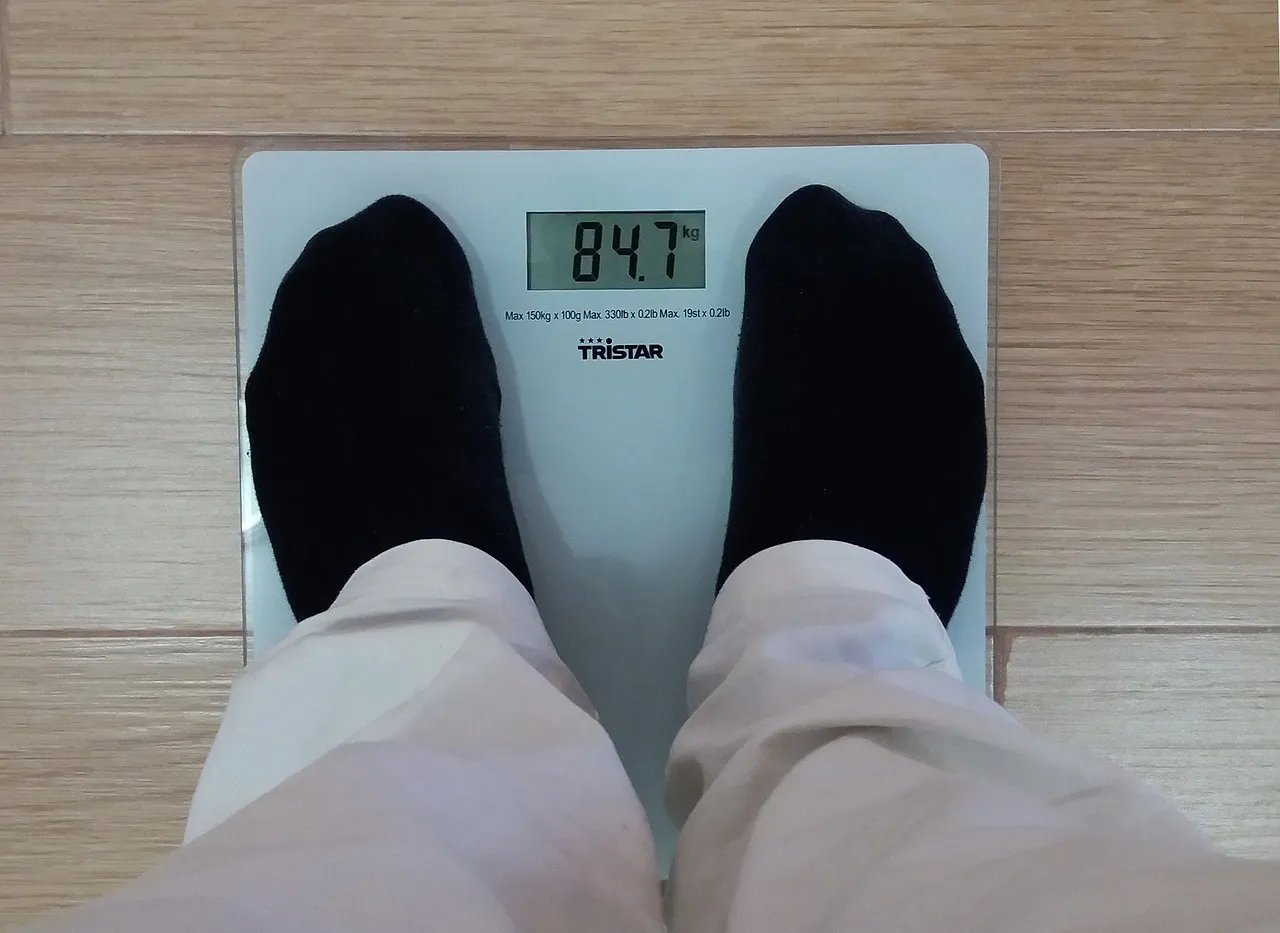
Body weight literally means how heavy we are..... I am sure all of us know this. But a more important aspect which might be unknown to you. This heaviness is a sum total of fat and lean mass contained by the body. Lean mass comprises of muscles, body fluids (blood, extra and intracellular fluid), bones, and organs. Fat mass includes fat which is stored in the body.
For a person to lead a healthy, disease-free life; the percentage of lean mass should always be higher than the fat mass percentage. But why is that? Lean mass being a hard worker produces work and burns food calories whereas fat mass is quite lazy and is a piece of excess baggage for the body.
Numerous factors determine the lean-to-fat ratio for a person. These include age, gender, physical activity, diet, weight, etc.
Let us understand how these above-mentioned factors affect the fat and lean mass ratio.
Age: A baby is born with high fat and low lean mass percentage. This ratio slowly changes through childhood and adolescence. Fat mass might again increase in adulthood because of diet and inactivity.
Gender: Females like it or not, but their body stores more fat mass than males. The percentage of lean-to-fat mass is 25:75 in females and approximately 15:85 in males.
Physical Activity: A physically active person burns fat and converts this tissue into muscles leading to an increase in lean mass. Athletes and sportspersons have lower percentages of fat compared to average because they burn the fat calories (calories derived from fat sources in the diet) for energy and thus store less fat. Gender bias is present in athletes too. Male athletes have less than 10% fat and female athletes have around 15% body fat.
Diet: A high-fat and high-simple carbohydrate diet can lead to an increase in fat mass in a person’s body. Excess fat gets stored as fat in the body, but excess simple carbohydrates like sugar or refined foods get easily converted to fat and are stored as fat tissue in the body.
Body Weight: Obese people have more than 30% of their weight as fat tissue. On the other hand, an underweight person might have less than 5% overall body fat.
I hope this gives you a little insight into the avoidable and unavoidable causes of high-fat percentages.

Shruti Marjara Kushwaha
Nutritionist & Founder, NutriMantra
Shruti blends evidence-based nutrition with practical Indian food guidance, shaped by experience across AIIMS, VLCC, HealthKart, research, counselling, and long-term lifestyle support.
Looking for a sustainable way to lose weight without cutting out real food?
Shruti helps turn nutrition advice into a realistic plan you can follow at home, at work, and while eating out.
Frequently Asked Questions
What is the ideal lean-to-fat mass ratio for Indians?
How does my diet affect my body fat percentage?
What role does physical activity play in managing body weight in India?
Are there specific foods I should avoid to reduce body fat?
Learn with Shruti


Related Articles

Debunking Common Myths About Nutrition & Weight Loss
When it comes to nutrition and weight loss, myths and misconceptions are everywhere. These facts can often lead us down the wrong path, making it harder to rea…
Read article →
When your Weight-loss diet is making you gain weight
In the pursuit of a healthier lifestyle, many individuals adopt what they believe to be a wholesome, nutritious diet.
Read article →
Nurturing Health: A Guide to Managing Childhood Obesity
In an era marked by technological advancements, the issue of childhood obesity has emerged as a concerning global health challenge.
Read article →
Comments (0)
No comments yet. Be the first to share your thoughts.
Leave a Comment
Your comment will appear after moderation.