Vitamin A: Functions, Sources, and Health Implications
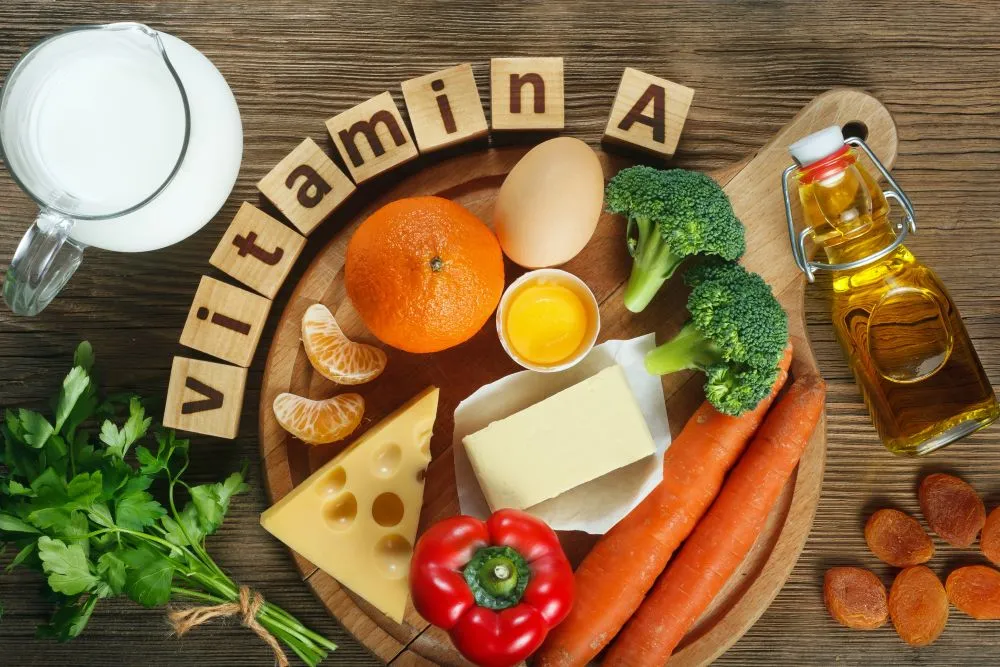
Vitamin A is a group of fat-soluble compounds that play essential roles in vision, bone growth, reproduction, cell division, and cell differentiation (the process by which cells become specialized as part of organs like the brain, muscles, or lungs).
Types and Sources
Vitamin A is categorised into two types based on food sources:
- Preformed Vitamin A (found in animal foods):
- Absorbed as retinol, one of the most usable forms of Vitamin A
- Sources include liver, whole milk and dairy products, cod liver oil, kidney, eggs, fish, meat, and some fortified foods
- Generally well-absorbed (70-90% absorption rate depending on the food matrix)
- Provitamin A (found in colourful fruits and vegetables):
- Present in yellow, orange, and dark green leafy vegetables such as carrots, papaya, tomatoes, bell peppers, mangoes, apricots, spinach, and fenugreek
- Can be converted to retinol in the body
- Beta-carotene is the most common and efficiently converted form
- Lower absorption rates (3-30%, depending on food preparation, dietary fat content, and individual factors)
- Absorption improves when foods are cooked, chopped, and consumed with dietary fat
Functions and Health Benefits
Vitamin A is one of the most versatile vitamins, with numerous roles in the body:
Vision
One of vitamin A's most important functions is supporting vision. Retinol is required to initiate the chemical process that signals the brain when light strikes the eye, allowing the eye to adjust from bright to dim light.
Immune System Support
Vitamin A boosts the immune system by stimulating white blood cell function and increasing antibody activity (the germ fighters in our bodies).
Antioxidant Protection
Beta-carotene, lutein, and lycopene help neutralize free radicals in the body. Free radicals are unstable molecules that can damage cells through oxidative stress. This cellular damage is associated with aging processes and may contribute to the development of chronic conditions such as cardiovascular diseases, certain cancers, and neurodegenerative disorders. While carotenoids like lutein and lycopene don't convert to vitamin A, they provide independent health benefits, particularly for eye health and reducing inflammation.
Epithelial Cell Maintenance
Vitamin A maintains the health of epithelial cells that line internal and external surfaces of the lungs, intestines, stomach, vagina, urinary tract, bladder, eyes, and skin. These cells act as important barriers to bacteria. Many epithelial cells produce mucus, which lubricates body surfaces and protects against invading microorganisms.
Pregnancy Support
Vitamin A is particularly essential during pregnancy because it helps with post-delivery tissue repair, maintains normal vision, and helps fight infections. A deficiency during pregnancy can cause night blindness in the mother, problems with the placenta, and low birth weight in newborns.
Storage and Preservation
90% of Vitamin A in our bodies is stored in the liver and Vitamin A can be lost from foods during preparation, cooking, or storage.
Tips to retain Vitamin A:
- Increase intake of raw fruits and vegetables
- Keep vegetables and fruits covered
- Cook vegetables or meat by pan-roasting, baking, or grilling instead of frying
- Avoid overcooking, which destroys this vitamin
Factors affecting absorption:
- Insufficient dietary fat hinders absorption
- Inadequate protein intake reduces absorption
- The presence of tannins inhibits absorption
Recommended Intake
The daily recommended intake is 400 µg (micrograms) of retinol for children up to 7 years of age and 600 µg thereafter. (Source: Nutritive value of Indian foods, 2004)
Deficiency
Vitamin A deficiency can lead to:
- Delayed dark adaptation (increased time for eyes to adjust when moving from bright to dim lighting)
- Night blindness or poor vision in the dark
- In extreme cases, complete blindness occurs as eye tissue converts to scar tissue
- Dry skin
- Increased susceptibility to respiratory and urinary tract infections
Populations at risk for Vitamin A deficiency:
- Children: Particularly toddlers and preschool-age children, those living below the poverty line, those with inadequate healthcare or immunisations, and children with diseases affecting the pancreas, liver, or intestines or with inadequate fat digestion or absorption
- Individuals with chronic diarrhoea: Deficiency can occur when Vitamin A is not properly absorbed
- People with certain disorders: Celiac disease, liver disorders, and gallbladder disorders
- Heavy alcohol consumers: Excess alcohol intake depletes Vitamin A stores, making it essential for these individuals to include good sources of Vitamin A in their diets
- Vegans: Those who do not consume eggs and dairy foods should include at least five servings of fruits and vegetables daily, regularly choosing dark green leafy vegetables and orange and yellow fruits to meet the recommended Vitamin A intake
Toxicity
Hypervitaminosis A refers to high storage levels of Vitamin A in the body that can lead to toxic symptoms. Four major adverse effects include:
- Birth defects
- Liver abnormalities
- Reduced bone mineral density (potentially leading to osteoporosis)
- Central nervous system disorders
Symptoms include:
- Tiredness and discomfort
- Upset stomach and decreased appetite
- Vomiting
- Slow growth
- Headache
- Drying and cracking of lips and skin
- Hair loss
- Yellowing of the skin
Toxicity can occur when large amounts of liver are regularly consumed or when excessive amounts of Vitamin A supplements are taken.
Toxicity of Vitamin A or Hypervitaminosis A: refers to high storage levels of VA in the body that can lead to toxic symptoms. There are four major adverse effects of hypervitaminosis A: birth defects, liver abnormalities, reduced bone mineral density that may result in osteoporosis and central nervous system disorders. Symptoms include tiredness, discomfort, upset stomach, decreased appetite, vomiting, slow growth, headache, drying and cracking of lips and skin, hair loss, and yellowing of the skin.
Toxicity can occur when large amounts of liver is regularly consumed or by taking excess amounts of Vitamin A as supplements.

Shruti Marjara Kushwaha
Nutritionist & Founder, NutriMantra
Shruti blends evidence-based nutrition with practical Indian food guidance, shaped by experience across AIIMS, VLCC, HealthKart, research, counselling, and long-term lifestyle support.
Need help applying this to your routine?
Book a consultation with Shruti for practical, personalised nutrition guidance tailored to your goals, food preferences, and health conditions.
Frequently Asked Questions
What are the best Indian food sources of Vitamin A?
How can I improve the absorption of Vitamin A from my meals?
Is it possible to get too much Vitamin A from Indian foods?
Can Vitamin A help boost my immune system during the monsoon season in India?
Learn with Shruti

Related Articles

Nutritional Strategies for Boosting Immunity
The human immune system is vital to protect the body against various infections and diseases.
Read article →
Diet in the times of covid-19 and ahead
Coronaviruses are a large family of viruses that usually cause respiratory illness. They include viruses that cause the common cold and seasonal flu, as well a…
Read article →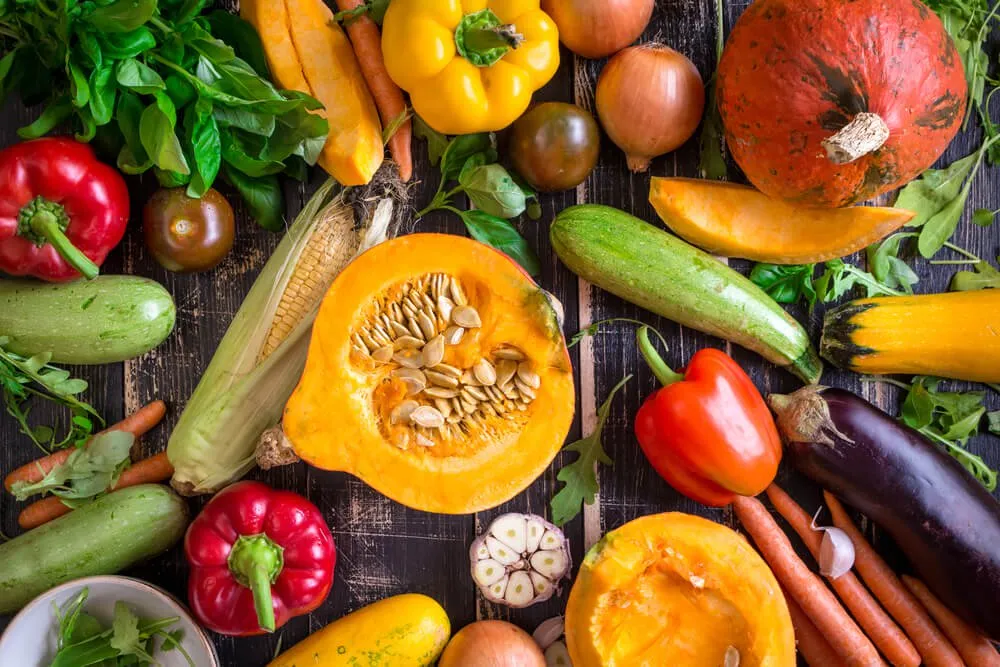
Food for Eyes
Visual impairment is a global epidemic. In developing countries, nutritional deficiency and cataracts continue to be the leading cause of blindness, whereas ag…
Read article →
Comments (0)
No comments yet. Be the first to share your thoughts.
Leave a Comment
Your comment will appear after moderation.