FAD Diets Reloaded: Contd.
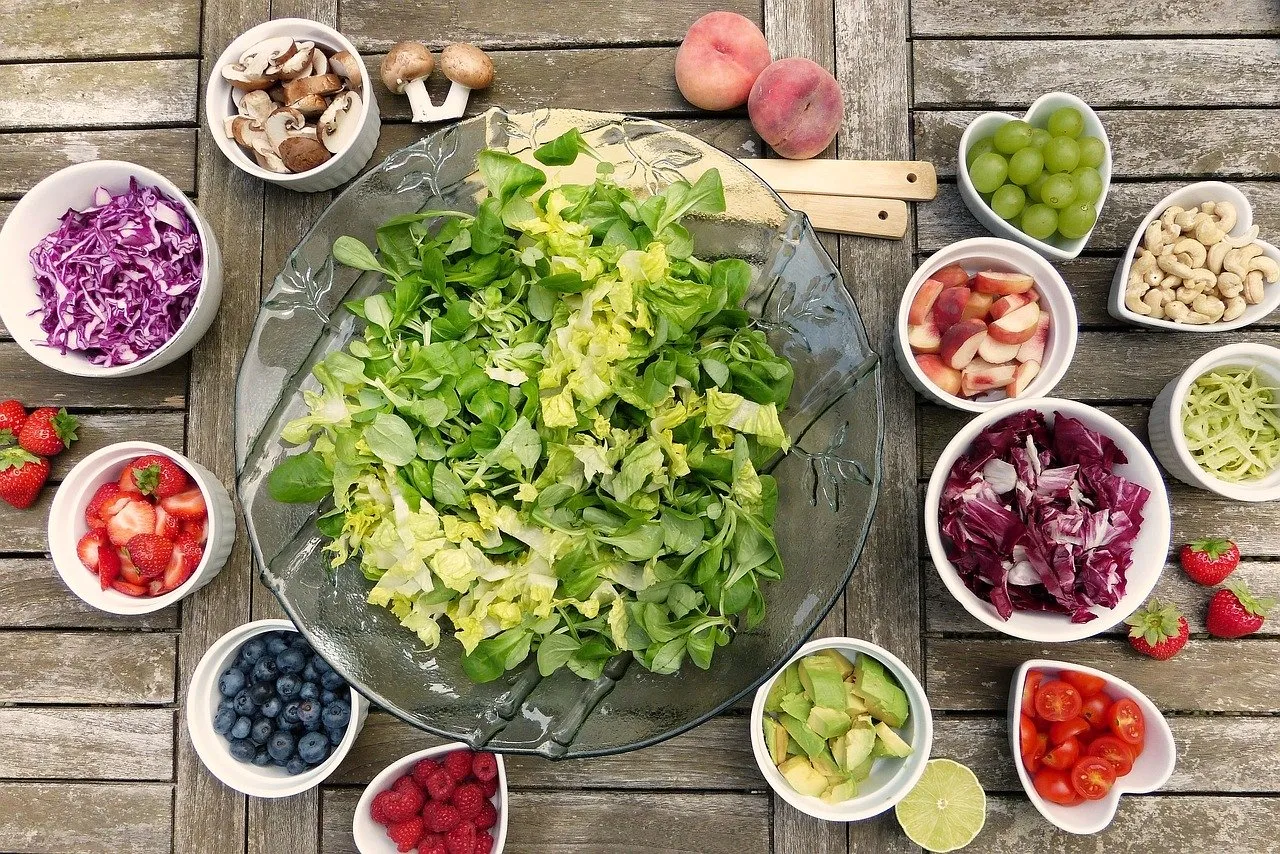
As promised I am back with few more famous FAD diets: The Zone diet, General Motors diet and Blood Group diet… Am I missing out on any popular FAD diet? Do let me know in the comments…
The Zone Diet:
Developed by Dr Barry Sears; advises the dieter to follow the rule of 30:40:30 wherein protein and fat-rich foods should constitute 30% each and carbohydrates should be 40% of every meal in the daily diet. In Dr Sears words the Zone diet does not recommend that you eat fewer calories than you are currently consuming, just different ones. While following this diet you are allowed to have:
- A small amount of animal protein (egg white, low-fat milk, chicken breast).
- Allowed carbohydrates (vegetables, lentils, beans, whole grains and most fruits) twice the size of the protein portion.
- In case you want to eat other carbohydrate foods (brown rice, pasta, papaya, mango, banana, breakfast cereals, bread, carrots and fruit juices) the quantity needs to be decreased.
- Keep the intake of saturated fats to a minimum.
Author’s Take on The Zone diet: Though dieters might find it easy to follow because of the ratio and broad range of allowed foods, it should be noted that The Zone diet does not allow the intake of carbohydrates as required. A balanced diet includes 50-70% carbs. Also, the amount of fat and protein recommended is way beyond the usual diet.
GM Diet
The diet was designed by General Motors for its employees, to make them feel light and lose weight. The diet is very much similar to cabbage soup diet. The most prominent difference being the absence of cabbage soup in the diet and an option for vegetarians.
First One: fruits (except banana). Second Day: vegetables. Third Day: Fruits (except banana) and vegetables (no potato). Fourth Day: Bananas (not more than eight) and Milk (3 glasses). Fifth Day: Beef* and Tomatoes (not more than six). Sixth Day: Beef* and Vegetables. Seventh Day: Brown rice, fresh fruit juices and vegetables. *beef can be replaced with rice in case of vegetarians.
Author’s Take on GM Diet: The diet being strict with abstinence from carbohydrates / proteins / fats (energy providers) might make people weak and dizzy. There are very high chances of gain in weight after reverting back to a regular diet. It also becomes monotonous eating the same kinds of foods the entire day. Replacing beef with brown rice seems a little odd as beef is rich in protein and fat while rice is carb-rich food.
Blood Group Diet
The diet was designed by Dr D’Adamo which follows the approach that our diet should suit our blood type i.e. A, B, AB & O. The diet specifies foods / food groups based on our blood group. The reasoning that unfavourable foods can produce adverse reactions and thus can harm the body.
According to Dr D’Adamo, people with A blood group should follow a vegetarian diet and he advises them to stay away from meats.
Type B should refrain from corn, wheat, buckwheat (kuttu), lentils, tomatoes, peanuts, sesame seeds (til) and chicken. Favourable foods include green vegetables, eggs, meat (other than chicken) and low-fat dairy foods.
Type AB should avoid caffeine and alcohol, and focus on foods like yoghurt, tofu, seafood, dairy and green vegetables.
For Type O Dr D’Adamo recommends lean meats, vegetables and fruits. They should avoid wheat, dairy, caffeine and alcohol.
Author’s Take on Blood Group Diet: The diet leaves many questions unanswered like what kinds of cereals are allowed in various diets or what are the options for vegetarians? Some people do respond to these kinds of combinations but the results cannot be generalised to all.
FAD diets become popular just because we want a quick fix for all our ailments. In my opinion, there is no quick fix. The results you get while following a balanced diet are slow but they are long-lasting; without any side effects or deficiencies. So beware of the FAD Diets...
Image by silviarita from pixabay.
Suggested Reading: http://veg.ca/content/view/128/110/

Shruti Marjara Kushwaha
Nutritionist & Founder, NutriMantra
Shruti blends evidence-based nutrition with practical Indian food guidance, shaped by experience across AIIMS, VLCC, HealthKart, research, counselling, and long-term lifestyle support.
Looking for a sustainable way to lose weight without cutting out real food?
Shruti helps turn nutrition advice into a realistic plan you can follow at home, at work, and while eating out.
Frequently Asked Questions
Is the Zone Diet suitable for an Indian vegetarian diet?
What Indian foods can I include in the GM Diet?
Are FAD diets like the GM Diet effective for long-term weight loss in India?
What are the common myths about the Zone Diet in the Indian context?
Learn with Shruti


Related Articles

Does Apple Cider Vinegar Really Help with Weight Loss?
Apple cider vinegar (ACV) has been hyped as a miracle drink for weight loss — but does it really work, or is it just another trend?
Read article →
Benefits of Mindful Eating & Its Impact on our Health
In a world where fast-paced lifestyles and busy schedules often dictate our eating habits, mindful eating offers a refreshing approach to nourishing both body…
Read article →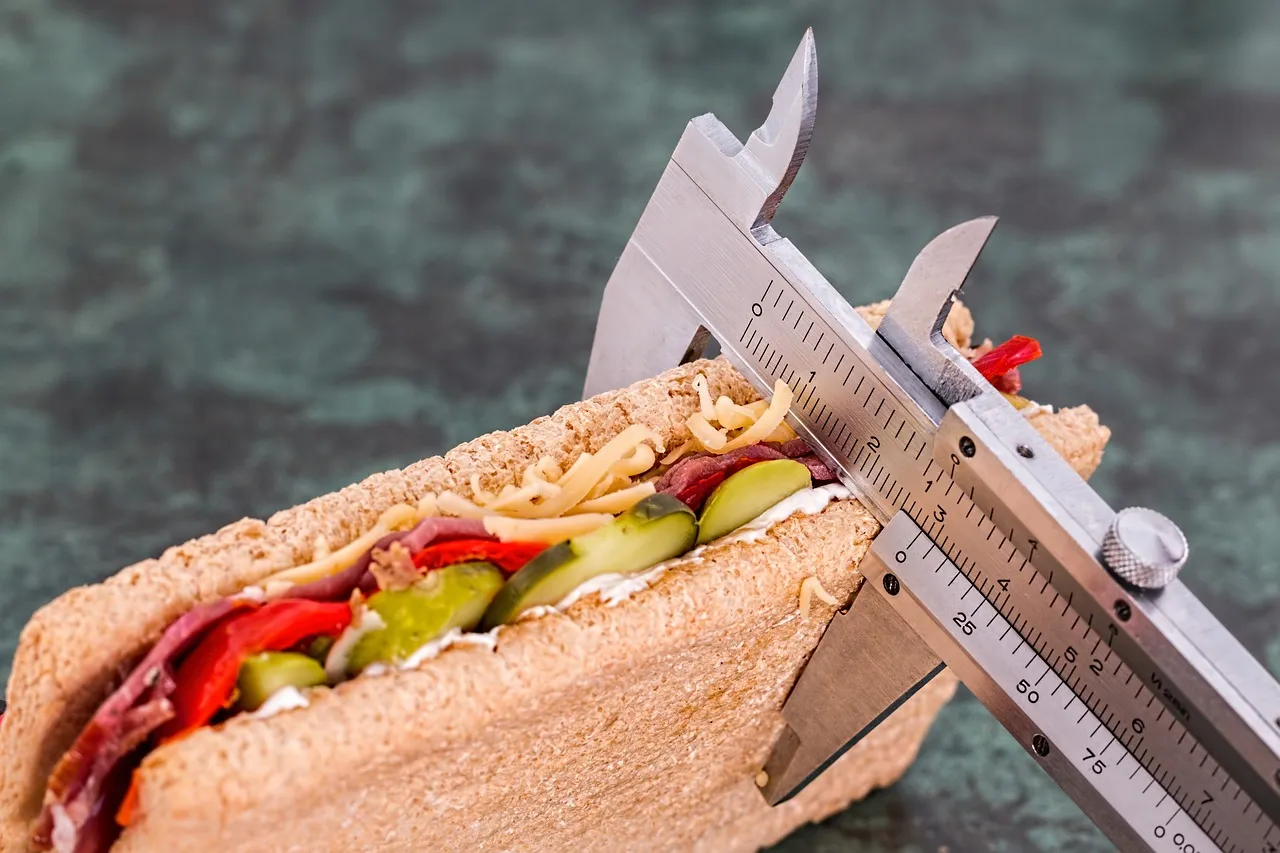
When your Weight-loss diet is making you gain weight
In the pursuit of a healthier lifestyle, many individuals adopt what they believe to be a wholesome, nutritious diet.
Read article →Comments (2)
Leave a Comment
Your comment will appear after moderation.
Jack · Aug 14, 2018 07:15 AM
This is really interesting, You are a very skilled blogger. I have joined your feed and look forward to seeking more of your great post. Also, I've shared your site in my social networks!
hemant dhadwal · Nov 18, 2020 06:14 PM
Very Informative.... and well said that there's no quick fix....