Not just grass: It's WHEATGRASS
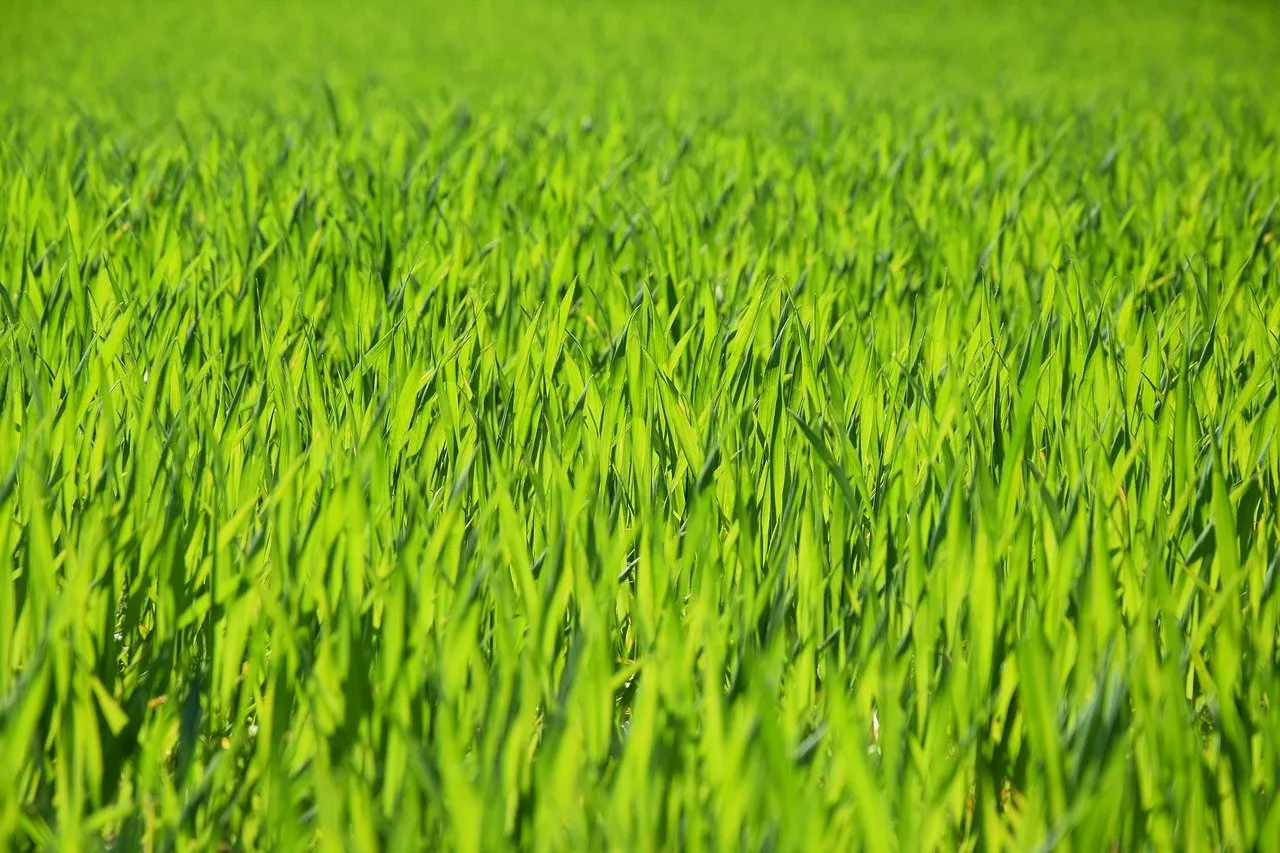
As we advance in our quest for knowledge about science and medicine; we are also recalling long-forgotten herbs and their benefits. Wheatgrass is one such herb that has found several new takers but its benefits and usage has been documented as early as 1900.
Wheatgrass is the young grass of the wheat plant which is a rich source of various vitamins (A, C, E), minerals (iron, calcium, magnesium), amino acids (all essential ones), enzymes, dietary fibre, and proteins. It picks 92 of the 102 minerals in soil; the highest for any plant. The grass provides the most nutrition when consumed 11 days after planting.
Health care providers recognise various health benefits and actions of wheatgrass; however, much research is still underway to support and validate its effectiveness.
- It has been used to increase the production of haemoglobin (clinically proven), improve disorders like diabetes, improve wound healing and prevent bacterial infections. People also use it to remove medication deposits (in those on long-term medications), carcinogens, and other toxins from the body.
- Some people also use wheatgrass to prevent grey hair, reduce high blood pressure, improve digestion and lower cholesterol by blocking its absorption.
- People also use wheatgrass to treat various urinary tract disorders, including infections of the bladder, urethra, and prostate.
- Other uses include the treatment of respiratory tract diseases, like colds, coughs, bronchitis, and sore throat, etc.
- Wheatgrass contains a lot of chlorophyll (the green colour of plants which helps them in making their food). Some people think chlorophyll might fight cancer and arthritis.
- Acts as a Hunger Suppressant: Its consumption makes people less hungry.
Wheatgrass juice is a popular health drink. People believe it benefits health only when it's fresh and taken on an empty stomach immediately after extraction. However, there is no research to date that supports this assumption.
Most adults may safely consume wheatgrass in recommended amounts for up to one month, then discontinue it. A healthcare provider may then advise when to resume the dosage. However, limited research exists on the safety of long-term wheatgrass use. It might cause nausea, appetite loss and constipation in some.
Natural products are not always necessarily safe and the knowledge of their safe dosages is very important. Be sure to follow relevant directions on product labels and consult your healthcare provider before using.
Suggested Read: https://www.naturalnews.com/034820_wheat_grass_juice_healing_minerals.html
Image Courtesy: Pixabay

Shruti Marjara Kushwaha
Nutritionist & Founder, NutriMantra
Shruti blends evidence-based nutrition with practical Indian food guidance, shaped by experience across AIIMS, VLCC, HealthKart, research, counselling, and long-term lifestyle support.
Need help applying this to your routine?
Book a consultation with Shruti for practical, personalised nutrition guidance tailored to your goals, food preferences, and health conditions.
Frequently Asked Questions
What are the health benefits of wheatgrass for Indians?
Can wheatgrass help in managing diabetes in Indian diets?
Is it true that wheatgrass can prevent grey hair?
How should I consume wheatgrass for maximum benefits?
Learn with Shruti



Related Articles
Fats: Friend or Foe? The Truth About This Misunderstood Nutrient!
Fat in the diet is avoided when we are trying to lose weight / when cholesterol goes up / when we are conscious about our health / when there's an acne ou t br…
Read article →
Are You Cooking the Nutrition Out of Your Food?
Cooking doesn’t automatically drain nutrition. Use less water, avoid overcooking, and remember that dal, sambar and curries retain nutrients in their cooking liquid.
Read article →
Healthy Eating Shouldn't Feel Like a Luxury
Let’s be honest: most of us have looked at a recipe, seen ingredients like kale or avocado, and thought, "My wallet and my kitchen aren't ready for this." At N…
Read article →
Comments (0)
No comments yet. Be the first to share your thoughts.
Leave a Comment
Your comment will appear after moderation.