Aging healthy is the new aging gracefully

The golden years are not what they used to be; they are getting even better, thanks to advances in medicine and nutrition. And because of this our world is experiencing an unprecedented increase in its senior population. But that does not mean age related health threats are going away. On the contrary it is more important than ever to keep our bodies in proper shape and for this first thing to do is to have a proper knowledge about the common conditions and symptoms to watch out for, so you can take steps to prevent or treat them.
Osteoporosis: Healthy bones are critical to senior health. As we age, our body begins to absorb old bone tissue faster than new bone tissue can be created, and thus bones tend to become thinner and weaker. This leads to a condition known as osteoporosis, a disease in which bones become fragile and can easily break during a fall. The condition in itself has no symptoms but can be detected by getting a bone density test, called a DEXA scan.
Vision Loss: Age-related vision problems are common in seniors, most notably macular degeneration and glaucoma. In macular degeneration, the part of eye (macula) that allows us to see fine detail begins to break down over time. Glaucoma is a condition that increases the fluid pressure inside the eye, which can gradually damage eye. There are no symptoms at first, but if left unchecked, glaucoma can result in blindness. Be sure to schedule regular eye check-ups with an ophthalmologist to look for any signs of vision trouble.
Cognitive Impairment: Normal aging does affect memory, but only up to a point. Mild cognitive impairment is the medical term for age-related memory loss. People with mild cognitive impairment are often forgetful and can become confused by tasks with multiple-step directions. A more advanced form of cognitive impairment is Alzheimer's disease, a progressive and irreversible disease of the brain. Alzheimer’s erodes the ability to remember and think clearly, eventually rendering some with the condition helpless to perform even basic tasks.
Constipation: Doctors define constipation as having fewer than three bowel movements in a week, with hard, dry stools. Lack of fiber in diet, lack of physical activity, and dehydration are among the possible reasons for constipation.
Arthritis: Arthritis occurs when the fluid and cartilage in a joint wears out, causing bones to scrape against each other and create pain. The most common form of arthritis affecting senior health is osteoarthritis, which results from a lifetime of wear and tear of joints — especially in the fingers, hips, knees, wrists, and spine.
Heart Disease: As the heart ages, it may need to work harder to pump blood throughout the body. Although some changes in the heart and circulation system are normal with aging, other changes can lead to heart disease and related problems. Classic signs of a heart attack include chest discomfort, shortness of breath, and nausea or lightheadedness. Stroke symptoms include face drooping, speech difficulty, and arm weakness. If you experience any of these, call help.
The good news is that you can lower your heart disease risk with a healthy lifestyle, including not smoking, exercising, and eating a healthy diet. It is also important to have regular visits with your doctor to have your blood pressure and cholesterol levels checked.
Diabetes: Although people can develop diabetes at any age, the risk increases as you get older. Uncontrolled diabetes can eventually lead to complications such as damage to eyes, nerves, and kidneys, as well as heart disease or stroke. Early signs of diabetes include feelings of extreme hunger or thirst, fatigue, and a frequent need to urinate, as well as blurry eyesight.
Flu / Pneumonia: As we age, our immune system can become weaker. Flu is a respiratory illness characterized by symptoms such as fever, cough, sore throat, body aches, runny or stuffy nose, headaches, and fatigue. Flu can also lead to greater risk of complications for seniors — including pneumonia; symptoms of which include cough, fever, and difficulty in breathing. To help avoid getting flu or pneumonia, get annual flu and pneumococcal vaccines, wash your hands frequently, and avoid people who are sick.
If you experience any of the above mentioned conditions or symptoms, visit your doctor. Even if these signs do not apply to you, regular check-ups are still a good idea. An Associated Press survey found that more than 60 percent of Americans don't want to live to 100 for fear of bad health and insufficient finances. You can live to be 103! Studies have shown that regular exercise and eating right improves one’s health and can even slow the effects of aging. Start now, age gracefully, and feel great!
Image by Susanne Pälmer from Pixabay

Shruti Marjara Kushwaha
Nutritionist & Founder, NutriMantra
Shruti blends evidence-based nutrition with practical Indian food guidance, shaped by experience across AIIMS, VLCC, HealthKart, research, counselling, and long-term lifestyle support.
Need help applying this to your routine?
Book a consultation with Shruti for practical, personalised nutrition guidance tailored to your goals, food preferences, and health conditions.
Frequently Asked Questions
What are some Indian foods that can help prevent osteoporosis in seniors?
How can I maintain good eye health as I age in India?
What lifestyle changes can help manage cognitive impairment in older adults?
What are some natural remedies for constipation in Indian seniors?
Learn with Shruti


Related Articles

Nutritional Strategies for Boosting Immunity
The human immune system is vital to protect the body against various infections and diseases.
Read article →
Are You Cooking the Nutrition Out of Your Food?
Cooking doesn’t automatically drain nutrition. Use less water, avoid overcooking, and remember that dal, sambar and curries retain nutrients in their cooking liquid.
Read article →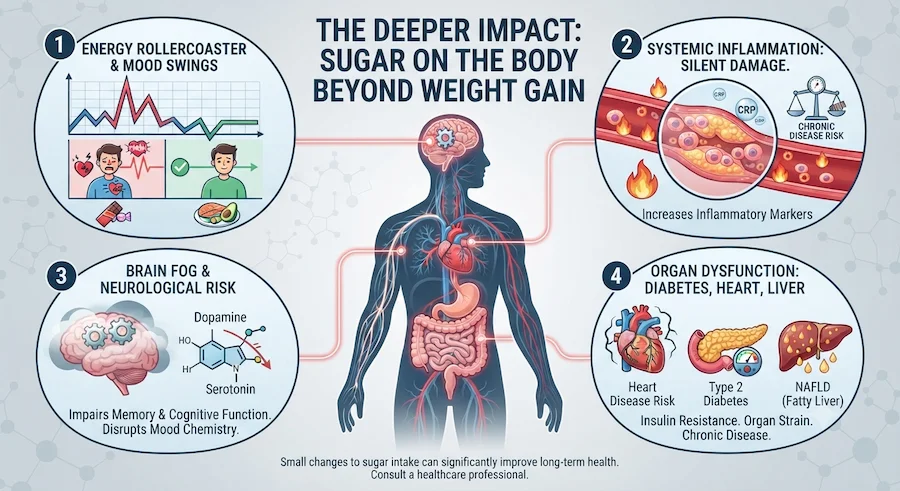
The Impact of Sugar on Your Body: Beyond Weight Gain
Cutting added sugar can smooth energy swings and help brain clarity; in India, swap sweetened coffee and juices for fruit, protein, and fiber.
Read article →
Comments (0)
No comments yet. Be the first to share your thoughts.
Leave a Comment
Your comment will appear after moderation.