Menopause & Nutrition: Your Symptoms Have Answers

If your body has started feeling unfamiliar — the broken sleep, the strange heat, the mood that shifts without warning — this is for you.
Most of my patients in perimenopause come in feeling like their body has suddenly stopped following the rules. The good news? Food is one of the most powerful ways to start feeling like yourself again. And here's something I wish more women heard earlier: perimenopause, that stretch of years before your periods stop, is actually the most important window for nutritional change. The symptoms might still be mild, or they might already be disrupting your sleep and your mood and your waistline in ways that feel deeply unfair. Either way, what you eat now genuinely matters.
In this first post, we are covering two of the most impactful nutritional areas: understanding what's driving your symptoms and what to eat about them, and the role of phytoestrogens in supporting your hormonal balance. Part 2 covers bone health and weight changes.
Your Symptoms Have Explanations and Food Answers
The 3am wake-ups, the flash of heat that arrives uninvited in the middle of a meeting, the irritability that surprises even you. These aren't random, they are all connected to shifting estrogen levels, and they tend to start years before your last period.
What I find really useful to show patients is how directly specific symptoms map to specific foods. It makes the whole thing feel less overwhelming. You are not overhauling your life, you are making targeted swaps that address what is actually bothering you.
Symptom Guide
Hot Flashes
What's happening: Estrogen helps regulate your body temperature. When levels drop, that system becomes less stable. So your body overreacts with sudden waves of heat at the most inconvenient moments.
Eat more: Soy, flaxseed, tofu, tempeh, cooling fruits like watermelon and cucumber.
Limit: Spicy food, caffeine, alcohol, hot drinks.
Mood Swings
What's happening: Estrogen helps keep your "feel-good" brain chemicals topped up. Less of it can mean lower mood, more irritability, and emotions that feel harder to manage than usual.
Eat more: Fatty fish, walnuts, eggs, dark leafy greens, complex carbs.
Limit: Refined sugar, ultra-processed foods, alcohol.
Poor Sleep
What's happening: Night sweats wake you up, but it's not just that. Hormonal shifts also disrupt your body's natural sleep-wake rhythm, making it harder to fall and stay asleep even on cooler nights.
Eat more: Cherries (natural melatonin), kiwi, pumpkin seeds, chamomile tea.
Limit: Caffeine after midday, heavy dinners, alcohol.
Vaginal Dryness
What's happening: Estrogen keeps the tissues in and around the vagina soft and naturally lubricated. As levels fall, those tissues can become thinner and drier, making everyday activities and sex uncomfortable.
Eat more: Omega-3 rich foods (salmon, chia), phytoestrogens, hydrating foods.
Limit: Dehydrating drinks, high-sodium foods.
Brain Fog
What's happening: Oestrogen supports memory, focus, and the brain's ability to stay sharp. Without it, many women feel slower, more forgetful, or less clear-headed, especially when tired or stressed.
Eat more: Blueberries, olive oil, dark chocolate, leafy greens, oily fish.
Limit: Refined carbs, trans fats, excessive sugar.
Joint Pain
What's happening: Oestrogen has anti-inflammatory effects; its loss increases inflammation.
Eat more: Turmeric, ginger, fatty fish, berries, olive oil.
Limit: Processed meats, refined oils, sugar.
Most of these symptoms respond to the same basic approach: eating more whole foods, more anti-inflammatory ingredients, fewer processed ones. You don't need a different diet for every symptom. One coherent shift covers a lot of ground at once, which is honestly a relief.
Phytoestrogens: Nature's Gentle Hormone Support
I know, "phytoestrogens" sounds like a supplement you would find at the back of a health food shop. But these are just naturally occurring compounds in everyday plant foods that interact with your oestrogen receptors in a mild, helpful way.
Think of them as a gentle top-up. They won't replace your hormones, but for some women particularly those in early perimenopause eating more of these foods makes a noticeable difference to hot flash frequency and mood stability. Japanese women, who eat soy daily, have historically reported far fewer hot flashes than women in Western countries. That's not a coincidence.
Top Phytoestrogen Rich Foods
These are all normal, affordable, delicious foods; not exotic supplements. Just add more of them into your week.
• Edamame & whole soybeans
• Tofu & tempeh
• Ground flaxseed (linseeds)
• Sesame seeds & tahini
• Chickpeas, lentils & beans
• Miso & natto
• Oats & barley
• Dried apricots & dates
Do You Need To Count Milligrams?
Not really. Studies point to around 40–80mg of isoflavones a day as a useful target, that's roughly a cup of edamame or 100g of tofu. But rather than tracking numbers, I would simply say: aim to eat one or two of these foods every day and you will be in the right range without thinking about it.
One thing worth knowing: fermented soy (tempeh, miso, natto) tends to be more effective than plain soy milk or tofu. The fermentation process makes the isoflavones easier for your body to actually absorb. If you like miso soup, you're already ahead.
What about the soy-and-cancer concern?
Current evidence does not support the idea that eating normal amounts of soy from food worsens hormone-sensitive cancers in most women. That said, if you have a personal or family history of hormone-sensitive breast cancer, it's worth a conversation with your own doctor before significantly increasing your intake.
COMING UP IN PART 2
Bones, Weight & What to Actually Eat. We cover why perimenopause is the critical window for bone protection, the honest truth about weight changes (and what actually helps), and a full realistic day of meals to put it all into practice.
Disclaimer: This article is for informational and educational purposes only and does not constitute medical advice. Nutritional needs vary between individuals. Always consult a qualified healthcare professional or a nutritionist before making significant changes to your diet, particularly if you have existing health conditions or are taking medication.

Shruti Marjara Kushwaha
Nutritionist & Founder, NutriMantra
Shruti blends evidence-based nutrition with practical Indian food guidance, shaped by experience across AIIMS, VLCC, HealthKart, research, counselling, and long-term lifestyle support.
Trying to manage PCOS symptoms through everyday food choices?
Shruti can help you build a practical Indian eating plan that supports hormones, satiety, and consistency.
Learn with Shruti


Related Articles
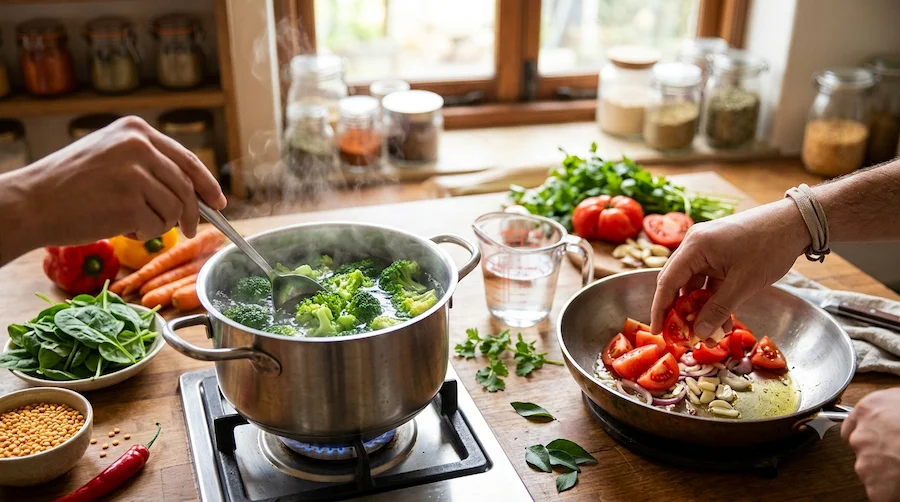
Are You Cooking the Nutrition Out of Your Food?
Cooking doesn’t automatically drain nutrition. Use less water, avoid overcooking, and remember that dal, sambar and curries retain nutrients in their cooking liquid.
Read article →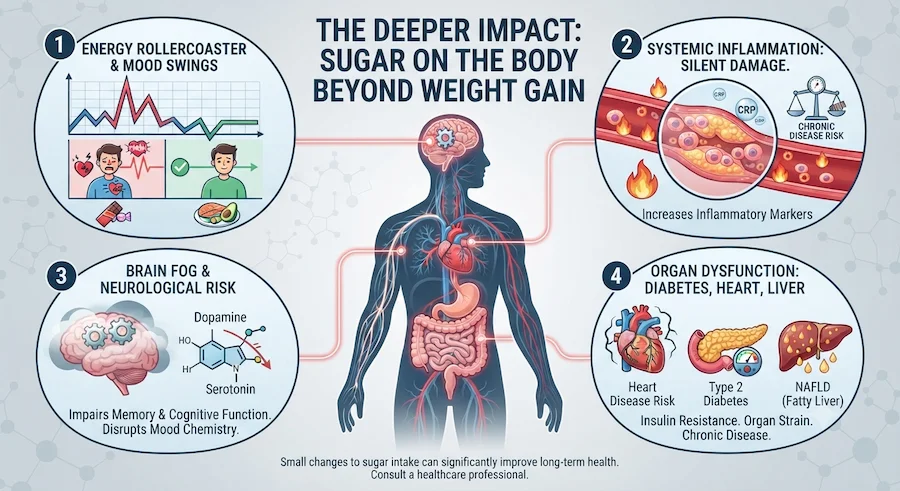
The Impact of Sugar on Your Body: Beyond Weight Gain
Cutting added sugar can smooth energy swings and help brain clarity; in India, swap sweetened coffee and juices for fruit, protein, and fiber.
Read article →
Menopause & Nutrition: Bones, Weight & What to Actually Eat
> The women who do best through perimenopause aren't the ones who change everything. They understand what's happening and make...
Read article →
Comments (0)
No comments yet. Be the first to share your thoughts.
Leave a Comment
Your comment will appear after moderation.