Menopause & Nutrition: Bones, Weight & What to Actually Eat
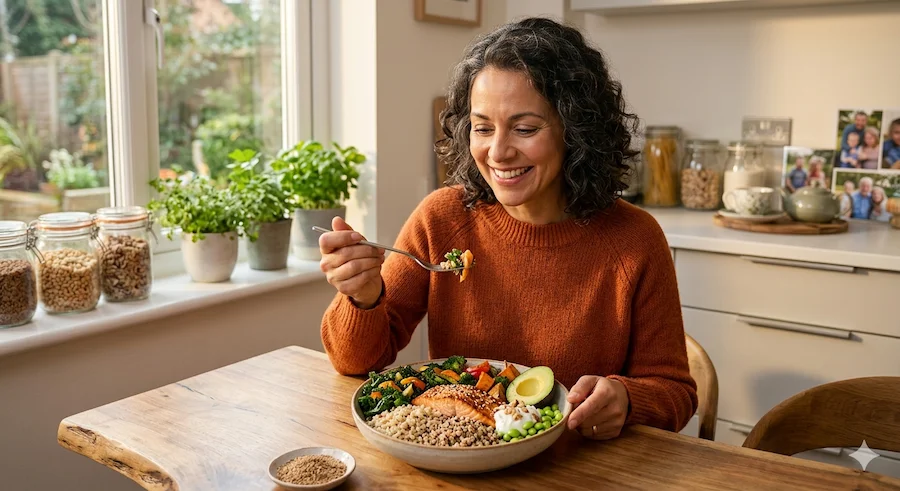
The women who do best through perimenopause aren't the ones who change everything. They understand what's happening and make a few well-placed changes that stick.
Earlier, we explored perimenopause symptoms and phytoestrogens. Now, we will focus on factors affecting your long-term health—specifically, bones and metabolism—which may not show immediate effects.
Your Bones Need Attention Now
Bone loss is painless and has no early, obvious signs. Yet, around perimenopause, loss accelerates as declining oestrogen stops maintaining bone density. Diet and exercise have real benefits. Food can't fully reverse bone loss, but you can slow it and protect what you have. Starting in perimenopause is best.
KEY NUMBERS TO KNOW
1,200mg — Recommended daily calcium for women over 50
800–1,000 IU — Recommended daily Vitamin D for bone protection
Up to 20% — Bone density loss possible in the first 5–7 years post-menopause
Best Calcium Sources
• Dairy: yoghurt, cheese, milk, paneer
• Fortified plant milks (especially soy milk)
• Calcium-set tofu
• Leafy greens like kale, bok choy, and amaranth leaves
• Sesame seeds & tahini
• Fortified foods like orange juice and cereals
• Ragi (finger millet)
• White beans & chickpeas
• Sardines or canned salmon with bones
Best Vitamin D Sources
• Sunlight (15–20 minutes daily)
• Fatty fish: salmon, mackerel, sardines
• Egg yolk
• Fortified cereals & dairy
• Mushrooms (UV-exposed varieties)
• Cod liver oil
• Supplements if clinically deficient
TWO NUTRIENTS MOST WOMEN FORGET
Calcium needs support to work. Magnesium, found in dark chocolate, nuts, seeds, and leafy greens, helps your body use vitamin D and calcium. Vitamin K2 from fermented foods, egg yolks, and some aged cheeses directs calcium to bones and may support heart health as you age.
Don’t underestimate movement. Walking helps, but resistance or strength training preserves bone density and muscle mass best during and after perimenopause. Nutrition and movement work together.
Weight Gain: It's Not Your Fault, But Food Can Help
This brings us to one of the most common things women bring up in perimenopause — "I haven't changed what I eat, so why is my body changing?" It is a completely fair question, and the honest answer is: your hormones shifted the goalposts.
As oestrogen declines, fat distribution changes. The body starts storing more around the abdomen rather than the hips and thighs. Muscle mass gradually declines, energy expenditure changes, and insulin sensitivity can shift. None of this is a personal failure; it is physiology. But it does mean that what worked for you at 35 might not work quite the same way now, and it is worth adjusting your approach rather than just trying harder at the same things.
The goal here isn't weight loss for its own sake; it is metabolic health. That belly fat sitting around the organs (visceral fat) is the type that raises cardiovascular risk, so addressing it is genuinely about health, not appearance.
FIVE THINGS THAT ACTUALLY HELP
1. Eat More Protein
Most women in perimenopause are under-eating protein, especially at breakfast. It is the nutrient that preserves your muscle mass as oestrogen falls, keeps you fuller for longer, and actually requires more energy to digest. Aim for 25–30g per meal — eggs, Greek yoghurt, lentils, fish, tofu, chicken. It will change how you feel throughout the afternoon.
2. SWAP REFINED CARBS FOR SLOW ONES
White bread, white rice, and sugary snacks spike your blood sugar in a way that promotes fat storage around the abdomen; the exact place you don't want it. Oats, lentils, sweet potato, quinoa, and whole-grain bread give you the energy without the crash. This shift alone can make a noticeable difference.
3. STOP BEING AFRAID OF FAT
Avocado, olive oil, nuts, seeds, oily fish — these aren't the problem. They support satiety, reduce inflammation, and help regulate hormones. The research is quite detailed, suggesting that replacing refined carbs with healthy fats tends to help, rather than harm, body composition in midlife women.
4. THINK ABOUT WHEN YOU EAT, NOT JUST WHAT
Long fasting windows aren't necessary for everyone, especially if they worsen stress, sleep, or overeating later. You don't need to do anything extreme, but simply finishing dinner by 7pm and not snacking late gives your metabolism a longer overnight window to rest and reset.
5. ALCOHOL IS WORTH AN HONEST LOOK
Alcohol is calorie-dense, disrupts already-fragile sleep, raises cortisol, and worsens hot flashes in many women. Even without changed habits, alcohol's impact grows in perimenopause.
Foods & Habits to Limit
* Spicy foods can trigger hot flashes
* Caffeine disrupts sleep, worsens flashes
* Alcohol might cause weight gain, mood & sleep
* Refined sugar: energy crashes & belly fat
* High-sodium foods: bloating & blood pressure
* Ultra-processed foods: inflammation
My simplest rule: ask at each meal: where’s the protein, the fibre, the veggies and healthy fat? If you answer all of them, you are doing well. You don’t need a perfect diet, just a consistent one.
Perimenopause can feel like your body has changed the rules. You haven't lost anything; you are just in a different chapter, one that responds to different inputs. The women I see progress aren't those who overhaul everything at once, but those who pick a few things and actually do them.
Not sure where to start? Reach out to a nutritionist or your doctor for guidance.
Medical Disclaimer: This article is for informational and educational purposes only and does not constitute medical advice. Nutritional needs vary between individuals. Always consult a qualified healthcare professional or a nutritionist before making significant changes to your diet, particularly if you have existing health conditions or are taking medication.

Shruti Marjara Kushwaha
Nutritionist & Founder, NutriMantra
Shruti blends evidence-based nutrition with practical Indian food guidance, shaped by experience across AIIMS, VLCC, HealthKart, research, counselling, and long-term lifestyle support.
Looking for a sustainable way to lose weight without cutting out real food?
Shruti helps turn nutrition advice into a realistic plan you can follow at home, at work, and while eating out.
Learn with Shruti

Related Articles
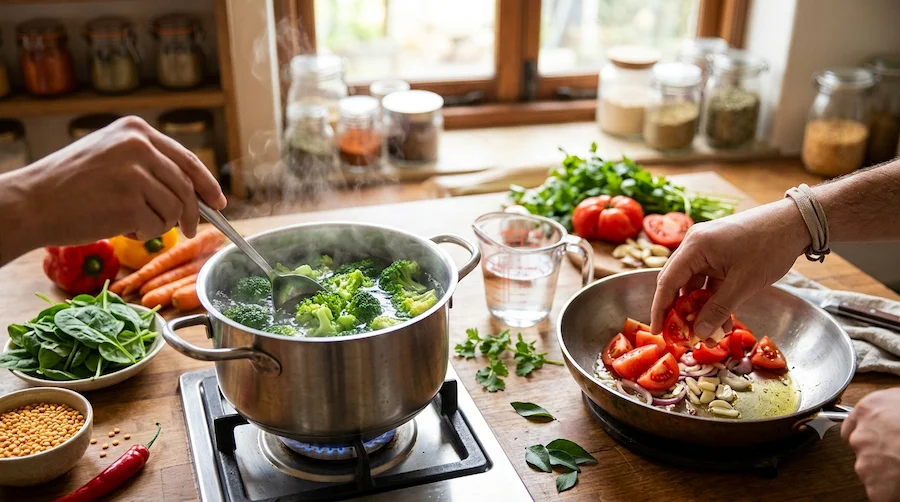
Are You Cooking the Nutrition Out of Your Food?
Cooking doesn’t automatically drain nutrition. Use less water, avoid overcooking, and remember that dal, sambar and curries retain nutrients in their cooking liquid.
Read article →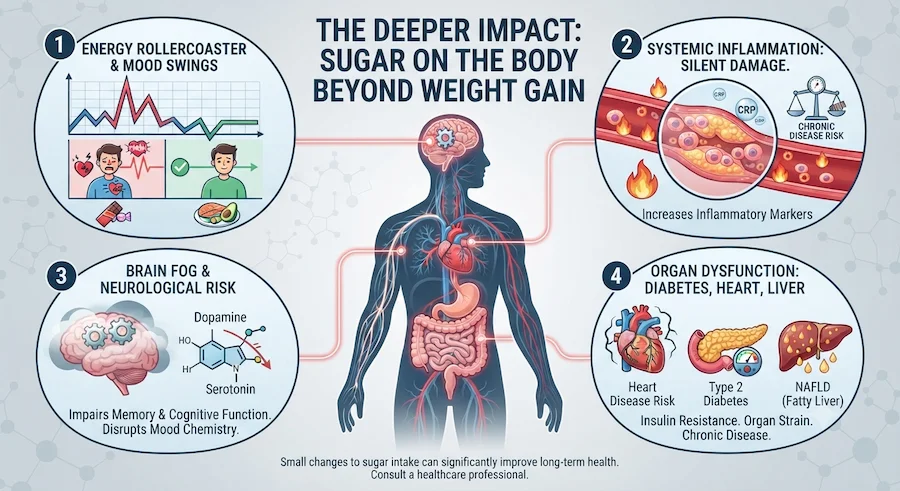
The Impact of Sugar on Your Body: Beyond Weight Gain
Cutting added sugar can smooth energy swings and help brain clarity; in India, swap sweetened coffee and juices for fruit, protein, and fiber.
Read article →
Menopause & Nutrition: Your Symptoms Have Answers
Perimenopause is a crucial time for nutritional changes. Focus on whole foods and phytoestrogens to alleviate symptoms like hot flashes and mood swings effectively.
Read article →
Comments (0)
No comments yet. Be the first to share your thoughts.
Leave a Comment
Your comment will appear after moderation.