Healthy Eating Shouldn't Feel Like a Luxury
Let’s be honest: most of us have looked at a recipe, seen ingredients like kale or avocado, and thought, "My wallet and my kitchen aren't ready for this."
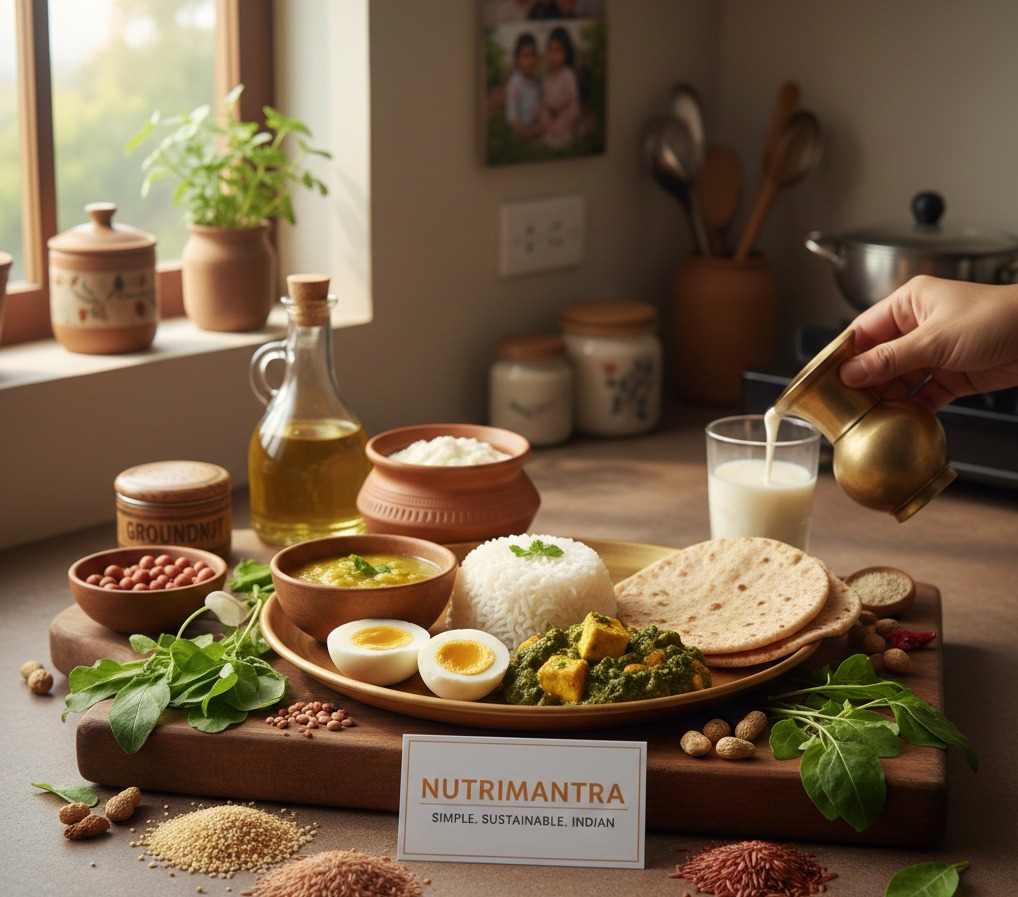
At NutriMantra, we want to change that narrative. We believe nutrition should be simple, sustainable, and actually fit into an Indian home. You shouldn't need a massive grocery budget or a dictionary to understand your dinner. In fact, some of the best "superfoods" have been hiding in your kitchen for decades, long before quinoa became a trend.
Healthy eating isn’t about deprivation; it is about smart swaps, seasonal wisdom, and a little bit of classic desi jugaad.
1. Your Kitchen Staples are "Nutrition Gold"
Think dal-chawal or roti-sabzi are boring? Think again. They are the MVPs of a balanced life. The secret isn't in cutting them out; it is in how you plate them.
- Rice isn’t the villain: You don’t need to banish rice! Just keep the portion sensible and pair it with fibre and protein.
- The Power Couple: When you pair cereals with dal, curd, or sprouts, you’re creating a complete protein that keeps you full and your blood sugar stable.
- Go Local: Why buy imported "health grains" when jowar, bajra, and ragi are sitting right there? They are cheaper, climate-friendly, and pack a serious nutritional punch.
As Rujuta Diwekar often says, our traditional meals are already balanced—we just need to stop overcomplicating them.
2. Protein Without the 'Price Tag' Panic
You don't need expensive protein powders or imported meats to hit your goals. You can find "protein heroes" in every corner of an Indian pantry:
- The Classics: Dal + Rice, curd, buttermilk, or even homemade paneer.
- The Budget MVP: Eggs! They are arguably the most affordable, high-quality protein out there. Whether it is a quick anda bhurji or a simple boiled egg, they are a lifesaver for busy days.
- Smart Non-Veg: You don’t need fancy cuts. Local chicken or fish cooked in a traditional gravy is nutrient-dense and satisfies those cravings without breaking the bank.
- The Snackers: Roasted chana, peanuts, and til seeds.
- Quick Swaps: Try using hung curd as a dip instead of expensive cream cheese, or whip up a besan chilla instead of buying fancy protein wraps.
3. Stop Buying ‘Superfoods,’ Start Using ‘Smart Foods’
- Marketing might tell you that you need blueberries and chia seeds, but your body (and bank account) says otherwise.
- Instead of Quinoa: Try dalia, millets, or red rice.
- Instead of Olive Oil: Stick to groundnut, mustard, or rice bran oil.
- Instead of Kale: Good old palak, methi, or chaulai do the job perfectly.
As Pooja Makhija puts it: The best superfood is the one you can actually afford to eat every day.
4. The Real Secret Ingredient? Your Mindset
We have all seen those "perfect" Instagram salad bowls, but real life is messy. As Luke Coutinho reminds us, sustainability matters more than perfection. What you do every day counts way more than a "perfect" meal once a week.
Healthy eating doesn’t have to be "aesthetic." It just has to be practical. If your plate has some protein, a bit of fibre, and some colour, you are already winning.
The NutriMantra Bottom Line: People don’t struggle with healthy eating because they lack motivation; they struggle because the advice they get feels unrealistic. Good nutrition doesn’t need a fancy label. It needs local wisdom, a little planning, and consistency.
We believe nutrition should fit into your life, not the other way around.

Shruti Marjara Kushwaha
Nutritionist & Founder, NutriMantra
Shruti blends evidence-based nutrition with practical Indian food guidance, shaped by experience across AIIMS, VLCC, HealthKart, research, counselling, and long-term lifestyle support.
Need help applying this to your routine?
Book a consultation with Shruti for practical, personalised nutrition guidance tailored to your goals, food preferences, and health conditions.
Frequently Asked Questions
What are some budget-friendly Indian sources of protein?
How can I make traditional Indian meals healthier?
Are imported superfoods necessary for a healthy diet?
What are some healthy snack options that are easy to prepare?
Learn with Shruti



Related Articles
Are You Cooking the Nutrition Out of Your Food?
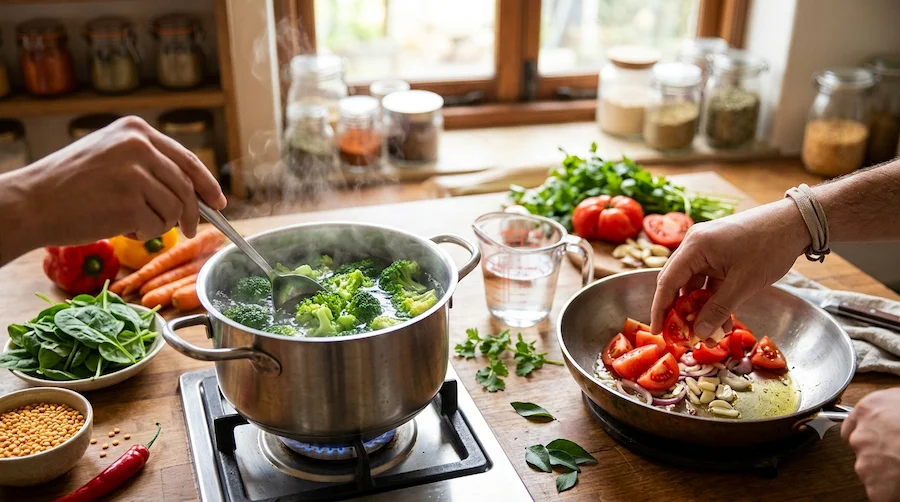
Cooking doesn’t automatically drain nutrition. Use less water, avoid overcooking, and remember that dal, sambar and curries retain nutrients in their cooking liquid.
Read article →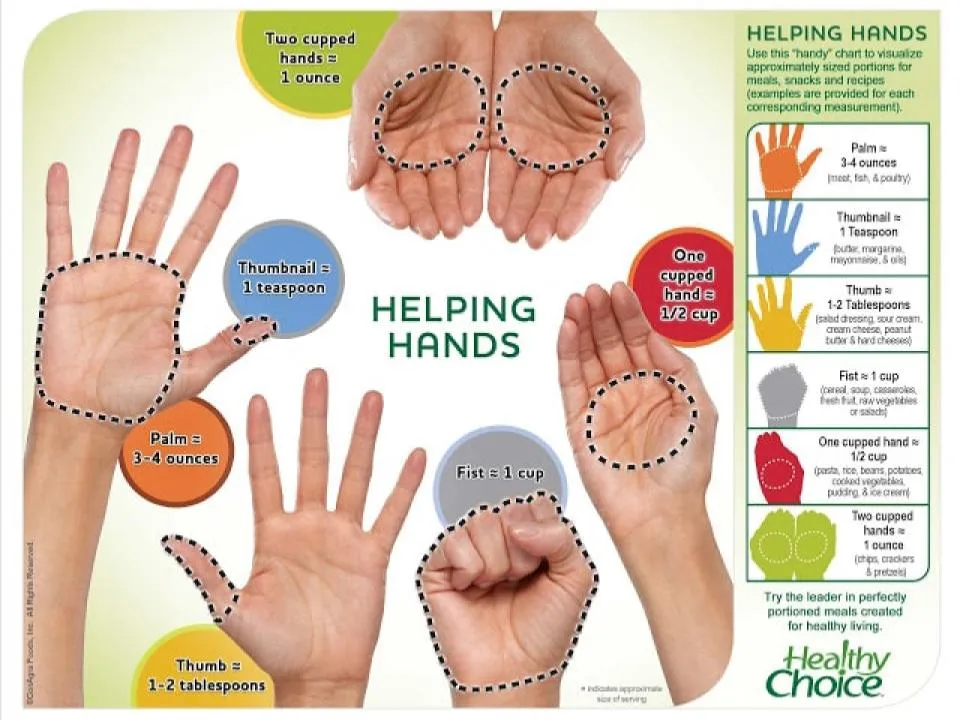
The Art of Portion Control: Eat Smart Without Feeling Deprived
Have you ever opened a family-size packet of chips and finished it in one go? You didn’t plan to finish it, but it happened anyway.
Read article →
The Role of Hormones in Weight Loss: What Everyone Should Know
“I have tried everything—but the weight just won’t come off!” If you have ever felt this way, you are not alone. And you are not imagining it.
Read article →
Comments (0)
No comments yet. Be the first to share your thoughts.
Leave a Comment
Your comment will appear after moderation.