Learn to LOVE your BONES
Ever wondered if our body had no bones?
Well... it is hard to imagine that the hardest part of our body might not remain hard for long to support our falls..... if we do not take care of them.
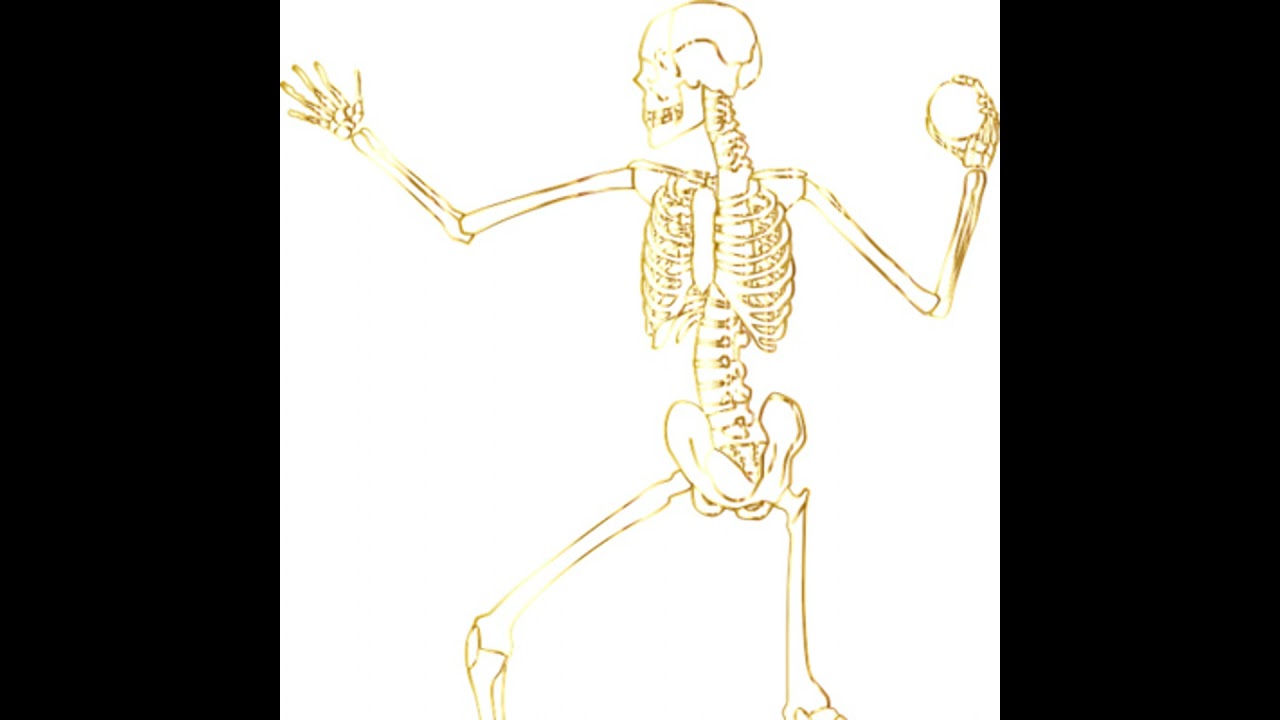
Our mother's womb lays the infrastructure of bones, and by the time we reach adulthood, we have completed the process of building bones. Although the base has been built, it is still very important to keep cementing it throughout our lives.
Without delving into the technicalities of bone formation, let's discuss the nutrients essential for maintaining their health. Ask anyone and the reply would be: calcium. Calcium is famous for its role in the healthy upkeep of bones and teeth. Amount of calcium we need changes at different stages of life, its requirement peaking in adolescence, pregnancy and lactation. With age the efficiency to absorb calcium declines. This is one of the reasons why seniors need to consume higher amounts of calcium.
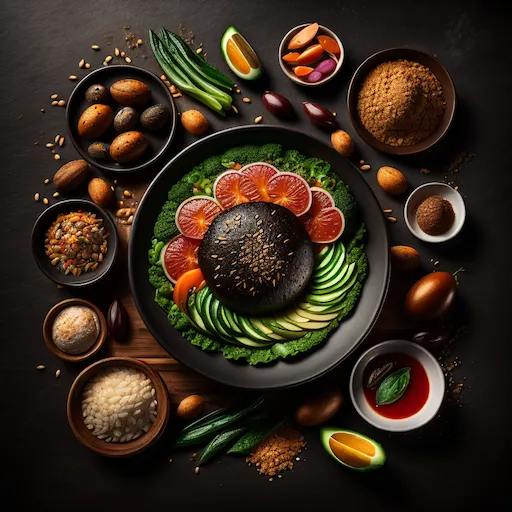
Milk and milk products are the most readily available dietary sources of calcium. Besides calcium, they also provide protein and other micronutrients which are important for bone health. A word of caution with milk though: researches have linked increased intake of milk with a higher risk of fractures. (Read here). Vegetables like broccoli, cauliflower, spinach, bok choy (Chinese cabbage); fish with soft, edible bones like sardine, salmon; nuts especially almonds; fruits like oranges, apricots, dried figs and tofu. Calcium-fortified breakfast cereals and flours also contain significant amounts of calcium. These non-dairy foods provide a suitable alternative for lactose-intolerant people.
Give me some sunshine….. Vitamin D the Sunshine Vitamin is needed for proper absorption of calcium from our diet. Food sources of vitamin D are limited and comprise oily fish like salmon, tuna, sardine, halibut, oysters and shrimp, egg yolk and liver. Milk and some fortified cereals also provide Vitamin D.
Vitamin K: required for apt mineralization of bones. Leafy vegetables such as lettuce, spinach, cabbage; liver, cheese and soybean provide a good amount of vitamin K.
Magnesium plays an important role in forming bone mineral. Good sources being green vegetables, legumes, nuts, seeds, unrefined grains and fish. Other nutrients needed for maintaining healthy bones are boron, fluoride, Vitamin C and phosphorus. Good sources of boron consist of avocado, nuts, peanut butter; fluorine – water, fluoridated toothpaste; phosphorus – milk, milk products, peas, meat, eggs, etc.
Few More Pointers:
- Move it or lose it: Weight-bearing exercises (e.g. walking, running, strength training, dancing) help build bone mass and strength in youngsters, maintains bone density in adults, and slows down bone loss in elderly.
- Avoid smoking: it hampers the work of bone-building cells and increases the risk of fracture.
- Avoid excessive alcohol consumption: High intake (more than 2 standard units per day) has been linked to increased risk of hip and other fractures.
- Use salt and caffeine in moderation, as these can promote calcium loss from the body, especially if calcium intake is inadequate.
Elderly individuals with reduced appetite, low activity levels, or medical conditions may require supplements of the mentioned nutrients. Other people at risk of developing weak bones include pregnant and nursing mothers and individuals with certain medical conditions, such as liver or kidney problems that can compromise their diet.
Love thy bones. They will support you as long as you support them.
Link to study highlighting the role of the above-mentioned nutrients in preventing osteoporosis. http://www.ncbi.nlm.nih.gov/pubmed/15883457

Shruti Marjara Kushwaha
Nutritionist & Founder, NutriMantra
Shruti blends evidence-based nutrition with practical Indian food guidance, shaped by experience across AIIMS, VLCC, HealthKart, research, counselling, and long-term lifestyle support.
Need help applying this to your routine?
Book a consultation with Shruti for practical, personalised nutrition guidance tailored to your goals, food preferences, and health conditions.
Frequently Asked Questions
What are the best Indian food sources of calcium for strong bones?
How can I ensure I get enough Vitamin D in my Indian diet?
Is it true that drinking too much milk can increase fracture risk?
What lifestyle changes can I make to improve my bone health as I age?
Learn with Shruti

Related Articles

Nutritional Strategies for Boosting Immunity
The human immune system is vital to protect the body against various infections and diseases.
Read article →
Diet in the times of covid-19 and ahead
Coronaviruses are a large family of viruses that usually cause respiratory illness. They include viruses that cause the common cold and seasonal flu, as well a…
Read article →
Nutrients affecting Digestive Health
We need a healthy digestive system to assimilate the food we eat; but little do we know that these nutrients are also needed to keep the digestive system healt…
Read article →Comments (2)
Leave a Comment
Your comment will appear after moderation.
hemant dhadwal · Dec 14, 2020 12:17 PM
Thats very informative and you explained in a simple and eazy way... Thanks..
Shruti · Mar 03, 2021 11:34 AM
Thank you for the appreciation.