Nutrients affecting Digestive Health
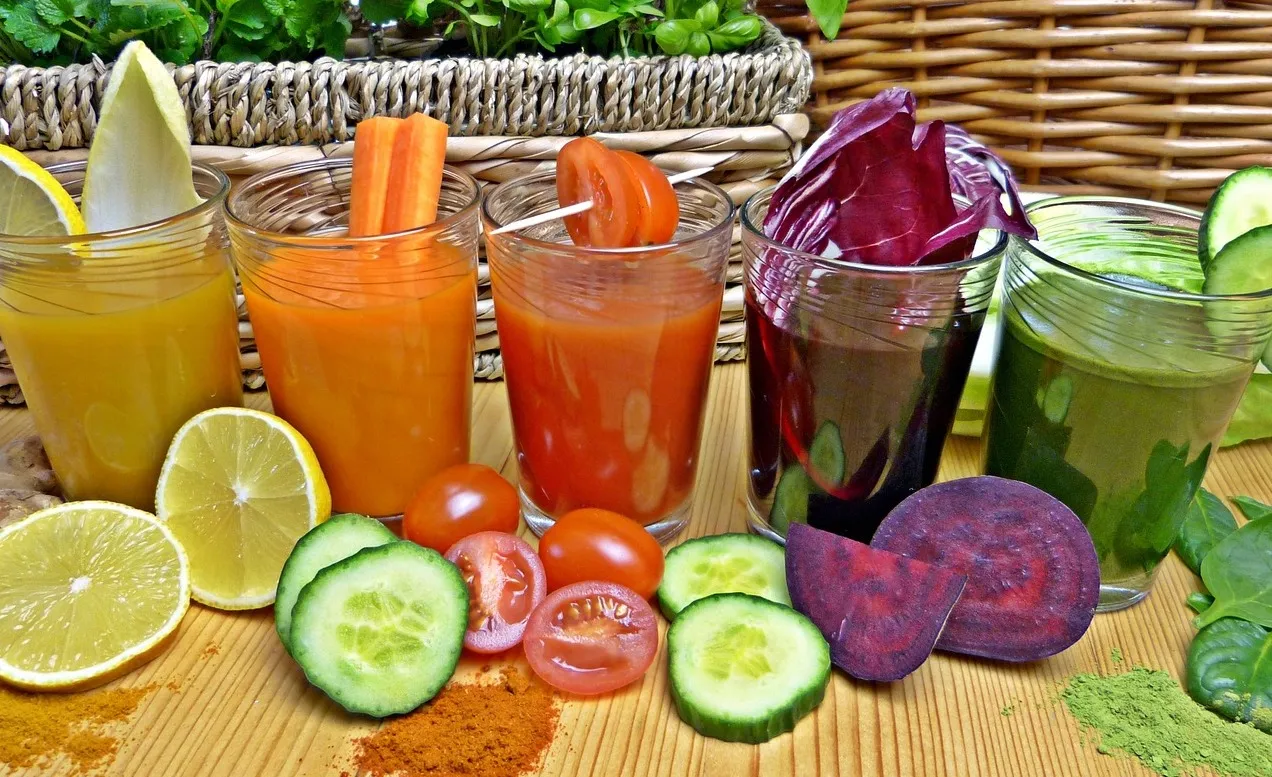
We need a healthy digestive system to assimilate the food we eat; but little do we know that these nutrients are also needed to keep the digestive system healthy. From A to D, essential vitamins play key roles in maintaining digestive health. In most cases you can get these nutrients from the daily diet; but those with certain gastrointestinal diseases may need supplements, however always consult a doctor first. Read on to learn which vitamins are the most important for healthy digestion and how to incorporate them into your eating habits.
B Vitamins
These vitamins are found in proteins such as fish, poultry, meat, and dairy products, whole grain cereals, pulses, fruits like bananas, green vegetables and eggs. B vitamins are water-soluble, thus you cannot store them to use later; they need to be a regular part of your diet.
Essential B vitamins for the digestive system include:
- B1: helps the body change the carbohydrates in diet into energy.
- B3: is important for many digestive tract functions, including the breakdown of carbohydrates, fats, and alcohol.
- B6: is very important in helping digestive system process the protein in the diet.
- Biotin:This B vitamin helps the digestive system produce cholesterol and process proteins, carbohydrates, and fatty acids.
- B12: plays a role in the nervous system, the production of blood cells, and the body's use of folic acid and carbohydrates.
Vitamin C
Because it is an antioxidant, many people associate vitamin C with the immune system and preventing colds, but it also aids in digestion by supporting healthy teeth and gums and helping the body absorb iron. Food sources include: Citrus fruits (oranges, lemon, mausmi), berries (e.g. amla), tomatoes, peppers, broccoli.
Vitamin D
Vitamin D helps the body in absorbing calcium and plays a key role in how the nerves, muscles, and immune system function. Also healthy levels of vitamin D are associated with a reduced risk for colon cancer. There are three ways you can get vitamin D: Sun exposure, Vitamin D-rich foods, such as egg yolks, saltwater fish, liver, and fortified milk and cereal and supplements.
If you are not getting enough vitamin D from sunlight and food, talk to your doctor about a supplement. Keep in mind that you may already be taking a supplement that contains vitamin D. e.g. many calcium supplements also contain vitamin D.
Vitamin A
Vitamin A is involved primarily in boosting vision, bone, and reproductive health, as well as helping the immune system. Sources of vitamin A include liver, whole milk and its products, cod liver oil, kidney, egg, fish, meat and some fortified food products; colourful fruits and vegetables (yellow, orange and dark green leafy ones like carrot, papaya, tomato, capsicum, mango, apricot, spinach, fenugreek, etc. Although vitamin A is not directly involved in digestion, some gastrointestinal diseases can leave you vulnerable to a vitamin A deficiency.
So follow the mantra: Eat healthy to keep your digestive system healthy.

Shruti Marjara Kushwaha
Nutritionist & Founder, NutriMantra
Shruti blends evidence-based nutrition with practical Indian food guidance, shaped by experience across AIIMS, VLCC, HealthKart, research, counselling, and long-term lifestyle support.
Dealing with bloating, sluggish digestion, or a sensitive gut?
A personalised consultation can help you identify practical food patterns, fibre balance, and meal structures that feel better.
Frequently Asked Questions
What are the best Indian food sources of B vitamins for digestive health?
How can I increase my vitamin C intake through Indian foods?
What are some signs of vitamin D deficiency in Indians and how can I improve my levels?
Is it true that taking vitamin supplements is better than getting nutrients from food for digestion?
Learn with Shruti



Related Articles
What Happens to Your Gut Health When You Eat More Protein
Protein has become the darling of the nutrition world, from shakes to high-protein diets promising weight loss and boundless energy.
Read article →
Healthy Eating Shouldn't Feel Like a Luxury
Let’s be honest: most of us have looked at a recipe, seen ingredients like kale or avocado, and thought, "My wallet and my kitchen aren't ready for this." At N…
Read article →
Fats: Friend or Foe? The Truth About This Misunderstood Nutrient!
Fat in the diet is avoided when we are trying to lose weight / when cholesterol goes up / when we are conscious about our health / when there's an acne ou t br…
Read article →
Comments (0)
No comments yet. Be the first to share your thoughts.
Leave a Comment
Your comment will appear after moderation.