What Happens to Your Gut Health When You Eat More Protein
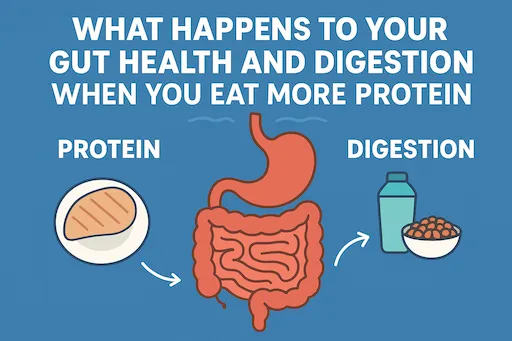
Protein has become the darling of the nutrition world, from shakes to high-protein diets promising weight loss and boundless energy. But while everyone is focused on muscle and metabolism, there's a far more interesting story unfolding inside your gut every time you dig into that chicken breast, protein shake, or bowl of dal.
Let us see what really happens to your gut health system when you increase your protein intake.
The Protein Digestion Journey: A Surprisingly Long Trip
When you eat protein, you trigger a slow, intricate biological chain reaction. Unlike carbohydrates, which zip through your system quickly, proteins take their time. Here’s how the journey unfolds:
In Your Stomach (1.5–2 Hours)
Protein digestion in the stomach takes longer than that of carbs but less time than that of fats. When your protein-rich meal arrives, stomach acid and enzymes begin breaking large protein molecules into smaller fragments.
Because protein stays in the stomach longer, it naturally keeps you full for longer; one reason protein-rich meals help with appetite control.
In the Small Intestine
Most protein digestion happens in the small intestine. Here, your pancreas releases powerful enzymes that break protein into individual amino acids, the usable building blocks your body absorbs.
Different proteins are digested at different speeds:
- Whey protein: 1–2 hours
- Chicken or fish: 1.5–2 hours
- Legumes: 2–3 hours
- Casein: 4–5 hours
Pro Tip: Whey protein’s amino acids are absorbed at ~10 grams per hour, making it ideal for post-workout recovery.
Your Gut Bacteria: Where the Plot Thickens
Digestion is only half the story. What your gut bacteria do with leftover protein is where things get truly interesting.
Not all protein gets digested in the small intestine, especially when you eat more than your body can use. The rest travels to your colon, where trillions of bacteria are waiting.
Latest research (2024) shows that shifting to a protein-rich diet can lead to:
- Immediate changes in gut bacteria
- Reduced body fat
- Better metabolic markers
Your microbes respond differently to different amino acids, especially branched-chain amino acids (BCAAs) found in meat, dairy, and protein supplements.
But here’s the twist: when bacteria break down excess protein, they can produce both helpful and harmful compounds.
The Good News
When gut bacteria process protein well, you get:
- Short-chain fatty acids, which support colon health and reduce inflammation.
- More diverse gut bacteria with moderate protein intake
- Certain protein byproducts that support better blood sugar and immune health
The Concerning Side
High-protein diets, especially animal-protein-heavy ones, can lead to more undigested protein reaching the colon. This can increase:
- Ammonia production: A 72% rise in dietary protein can increase ammonia levels by ~59%. Healthy livers handle this, but excess can be problematic.
- Sulphur compounds & inflammatory byproducts: Protein breakdown generates sulphurous and nitrogen-based compounds that may irritate the gut or contribute to long-term issues.
Scientists found that amino acids like aspartate, serine, lysine, and glutamate are metabolised most heavily by gut bacteria and lead to the highest ammonia production.
Practical Takeaways for Your Gut Health
1. Quality Over Quantity
Choose clean, high-quality protein sources most of the time. Digestion depends on the type, preparation, and what you pair it with.
2. Fibre Is Protein’s Best Friend
Fibre slows digestion, reduces protein waste reaching the colon, and feeds good bacteria.
3. Spread Protein Through the Day
Aim for 15-20 g per meal instead of loading it all at one time.
4. Listen to Your Body
If high-protein diets make you feel heavy, bloated, or sluggish, you might need to adjust your intake or distribution.
5. Hydrate Generously
Water helps your kidneys manage the byproducts of protein breakdown.
More protein isn’t automatically good or bad; it is about balance and context. Your gut microbiome reacts to the type, amount, and timing of protein you eat. The sweet spot is enough protein to support your body: muscle repair, enzymes, immunity, without overwhelming your gut bacteria.
The old saying “you are what you eat” is evolving.
Today, it’s more accurate to say —
“You are what your gut bacteria do with what you eat.”

Shruti Marjara Kushwaha
Nutritionist & Founder, NutriMantra
Shruti blends evidence-based nutrition with practical Indian food guidance, shaped by experience across AIIMS, VLCC, HealthKart, research, counselling, and long-term lifestyle support.
Dealing with bloating, sluggish digestion, or a sensitive gut?
A personalised consultation can help you identify practical food patterns, fibre balance, and meal structures that feel better.
Frequently Asked Questions
How can I increase my protein intake with Indian foods?
What are the effects of a high-protein diet on gut health?
Is it true that protein keeps you full longer than carbohydrates?
How does protein digestion differ between animal and plant sources?
Learn with Shruti


Related Articles
Nutrients affecting Digestive Health
We need a healthy digestive system to assimilate the food we eat; but little do we know that these nutrients are also needed to keep the digestive system healt…
Read article →
Proteins: Whey, Soy, Casein..... Decoded
My mother's colleague has been worried for the past few days and the cause of this.... Her 16-year-old son wants to take protein shakes for bodybuilding.
Read article →
Benefits of Fermented Foods
If you have ever enjoyed the tangy taste of yoghurt, the spicy kick of kimchi, or the refreshing fizz of kombucha, you have already dipped your toes into the w…
Read article →
Comments (0)
No comments yet. Be the first to share your thoughts.
Leave a Comment
Your comment will appear after moderation.