Fats: Friend or Foe? The Truth About This Misunderstood Nutrient!
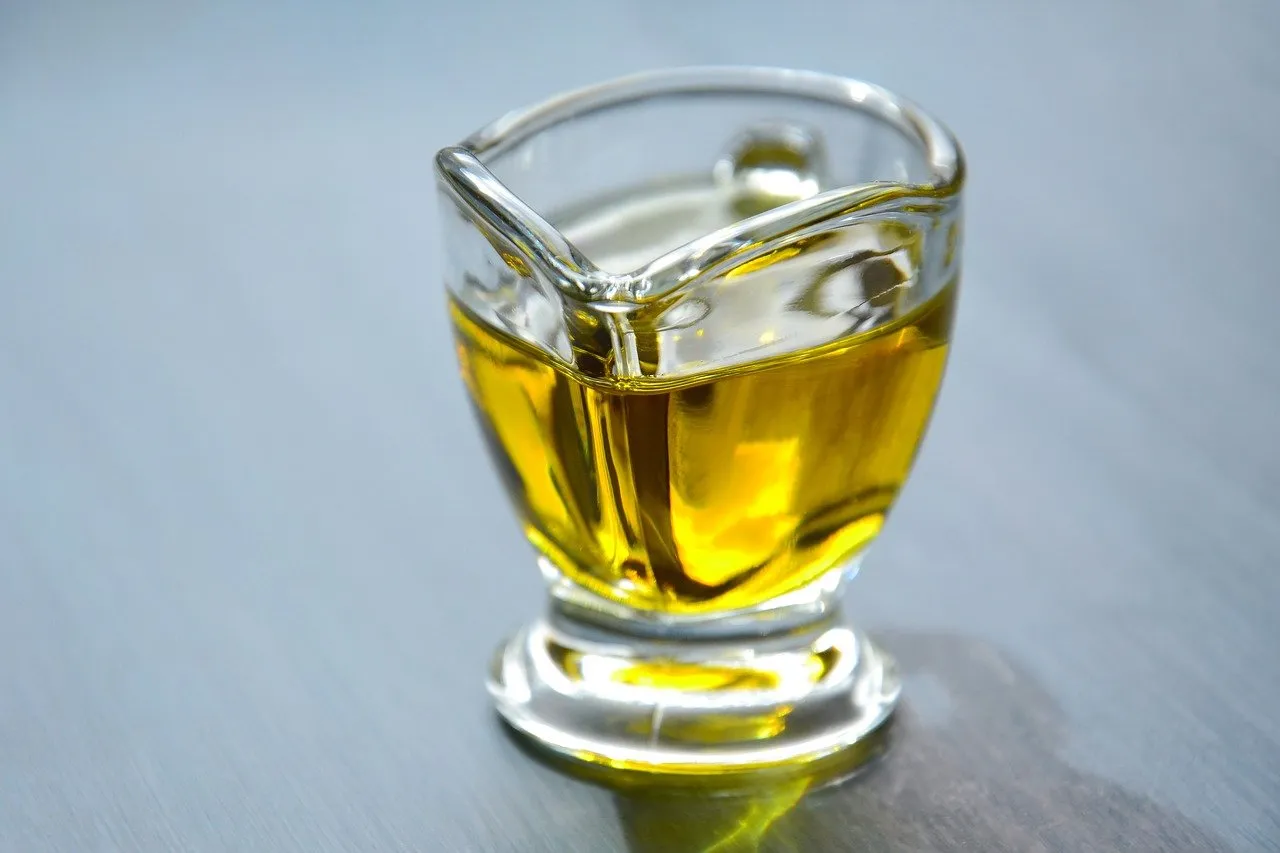
Fat in the diet is avoided when we are trying to lose weight / when cholesterol goes up / when we are conscious about our health / when there's an acne outbreak. Fat, the nutrient mostly avoided by health enthusiasts is not as bad as is considered. Being a nutrient it has many roles to play for our well-being.
FAT, the storage form of energy, works as a backup for carbohydrates, the primary fuel. Our body stores the fat we eat and uses it when energy is scarce. This benefit sometimes makes people despise fat.
All body cells contain some fat. In a healthy non-obese female, fat makes up 18-25% of body weight and 15-20% in a healthy non-obese male. This proportion changes with ageing, pregnancy and lactation. Fat lesser or higher than this proportion can lead to various health problems, especially related to the reproductive and cardiovascular systems.
I had a friend in school who never used to feel cold, even on days we were shivering and chattering our teeth. Now I know why. He had a nice padding of fat. The subcutaneous layer (the layer beneath our skin) of fat is an effective insulator that reduces losses of heat from the body. The fat layer cushions and protects delicate vital organs, such as the kidneys, from injury.
Role of Fats in the body
Sweaters and cushions, but there is a lot more about fats that make this nutrient necessary for us. Fats are carriers of fat-soluble vitamins A, D, E and K. Our body needs fats to absorb and transport these vitamins. Needless to say, with a deficiency of fats we can precipitate a deficiency of these vitamins too.
Essential Fatty Acids are the fatty acids that cannot be synthesized by our body and thus must be present in the diet. Deficiency of these can lead to growth retardation, skin lesions, liver degeneration, dry scaly skin, to name a few. Fat in our diet is the source of essential fatty acids.
Another benefit of fat in the diet is that it is the source (only animal foods) of cholesterol. Yes, you read it correctly. It is a benefit if taken in the right amounts. Cholesterol is a component of cell membranes and helps in the synthesis of vitamin D, reproductive hormones and bile salts.
It also contribute to the taste and palatability of our food. It is an essential cooking medium and helps us in making lots of recipes.
Sources
Fat is present in two modes in our foods: visible and invisible.
Visible fat: Butter, ghee, margarine, cream, salad oils, lard, cooking oils, etc.
Invisible fat: Cheese, egg yolk, nuts, oil seeds, meat, fish, etc.
How much fat to include in the diet?
Not more than 20-25% of our day's calories should come from fat. Those with health problems wherein we need to restrict fat should keep fat intake between 10-15% of the total calorie intake.
The saying, "Excess of everything is bad," holds true for fats as well.

Shruti Marjara Kushwaha
Nutritionist & Founder, NutriMantra
Shruti blends evidence-based nutrition with practical Indian food guidance, shaped by experience across AIIMS, VLCC, HealthKart, research, counselling, and long-term lifestyle support.
Looking for a sustainable way to lose weight without cutting out real food?
Shruti helps turn nutrition advice into a realistic plan you can follow at home, at work, and while eating out.
Frequently Asked Questions
Is it okay to include fats in my diet while trying to lose weight in India?
What are the best sources of healthy fats in Indian cuisine?
Does eating fats cause acne outbreaks?
How can I ensure I'm getting enough essential fatty acids in my diet?
Learn with Shruti


Related Articles
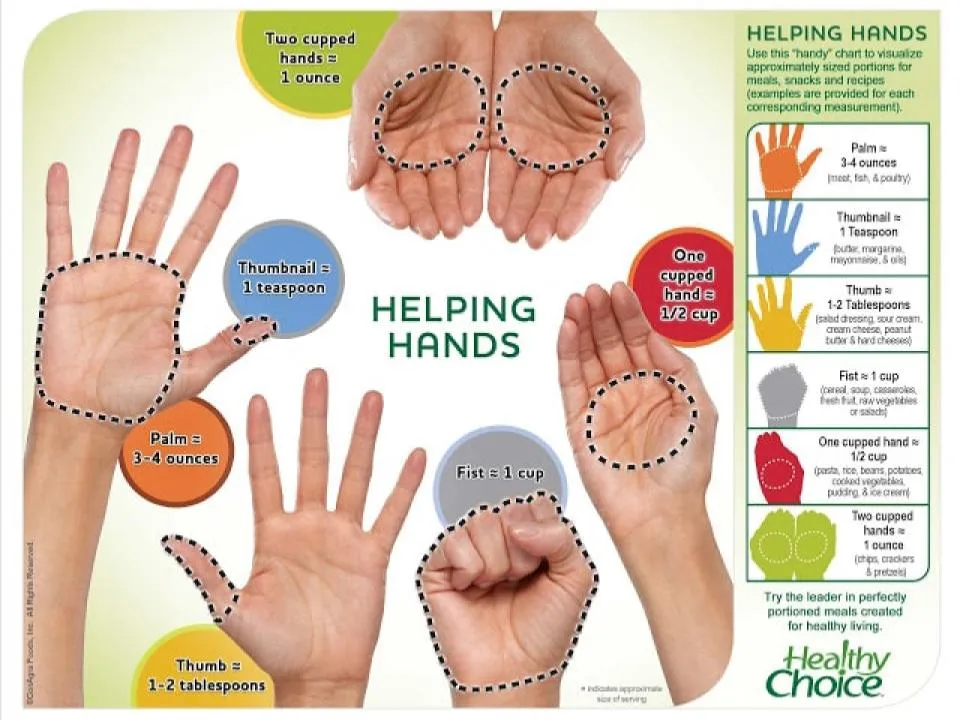
The Art of Portion Control: Eat Smart Without Feeling Deprived
Have you ever opened a family-size packet of chips and finished it in one go? You didn’t plan to finish it, but it happened anyway.
Read article →
The Role of Hormones in Weight Loss: What Everyone Should Know
“I have tried everything—but the weight just won’t come off!” If you have ever felt this way, you are not alone. And you are not imagining it.
Read article →
The Impact of Processed Foods on Health and Alternatives to Consider
In modern society, the all-presence of processed foods has become a cornerstone of the global diet.
Read article →
Comments (0)
No comments yet. Be the first to share your thoughts.
Leave a Comment
Your comment will appear after moderation.