4 Approaches to Manage Hypertension
Hypertension: this word needs no introduction... and some of us feel that becoming hypertensive is inevitable given the stressful conditions and faulty lifestyle. But is it so or can it be prevented.
How high is high? If the systolic blood pressure readings are 140 or higher and diastolic blood pressure readings are 90 or higher at more than two occasions when the person is at rest. As we age our blood pressure rises because of the blood vessels becoming less and less pliable.
What can be the Causes or Contributing Factors?
- Increased sodium intake
- Lower potassium intake
- Decreased omega-3 fatty acid intake
- Higher trans fat and saturated fat intake
- Improper nutrition, obesity
- Reduced exercise
Does it all sound Greek to you? No worries... Let us see what all we can do to stop Hypertension from worrying us.
Bodyweight of a person is directly associated with BP. Increased body weight increases the chances of hypertension & cardiovascular diseases. It is important for overweight and obese individuals to lose weight and maintain it at BMI < 25. Following pointers might prove beneficial in achieving this goal:
- Follow DASH Diet: (Dietary Approaches to Stop Hypertension, or) DASH, is a diet recommended for people who want to prevent or treat hypertension. DASH diet focuses on fruits, vegetables, whole grains, lean protein sources like chicken, fish and beans and low-fat dairy products. The diet is low in red meat, salt, added sugars and fat. DASH diet is rich in complex carbs & dietary fibre which has a direct effect on lowering BP. It also advocates the reduction of sodium in the diet to about 1500 mg/day. DASH emphasizes on consumption of minimally processed and fresh food. It also advised a minimum intake of saturated fats & cholesterol and inclusion of healthy fat sources in the diet. Increase your Potassium intake: High potassium intake is associated with reduced BP. Include around 4-5g/d of potassium in your daily diet. Potassium-rich foods include
- If you smoke, Quit and if you drink, moderation is the key: It is recommended to avoid or minimize alcohol intake as much as possible & STOP smoking.
- Be Active: Thirty minutes of moderate-intensity physical activity each day can help. Some activities can include walking, jogging, bicycling (stationary or outdoor), high- or low-impact aerobics, swimming, etc. How does exercise help: If your blood pressure is moderately elevated, 30 minutes of brisk walking on most days a week may be enough to keep you off medication. If you take medication for high blood pressure, 30 minutes of moderate physical activity can make your medication work more effectively and make you feel better. And if you don’t have high blood pressure, being physically active can help keep it that way.
- Also Practice YOGA for stress relieving and relaxation as stress contributes to raising blood pressure

Shruti Marjara Kushwaha
Nutritionist & Founder, NutriMantra
Shruti blends evidence-based nutrition with practical Indian food guidance, shaped by experience across AIIMS, VLCC, HealthKart, research, counselling, and long-term lifestyle support.
Trying to improve cholesterol, blood pressure, or overall heart health?
Shruti can help you translate nutrition science into an Indian meal pattern that supports long-term heart health.
Frequently Asked Questions
What Indian foods can help lower blood pressure?
How can I reduce sodium intake in my Indian diet?
What lifestyle changes can help manage hypertension in India?
Is it true that only older adults can develop hypertension?
Learn with Shruti

Related Articles
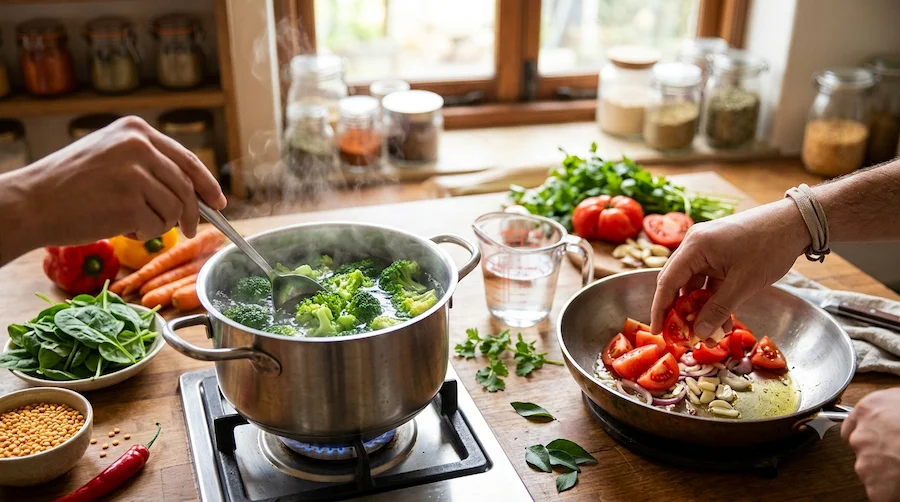
Are You Cooking the Nutrition Out of Your Food?
Cooking doesn’t automatically drain nutrition. Use less water, avoid overcooking, and remember that dal, sambar and curries retain nutrients in their cooking liquid.
Read article →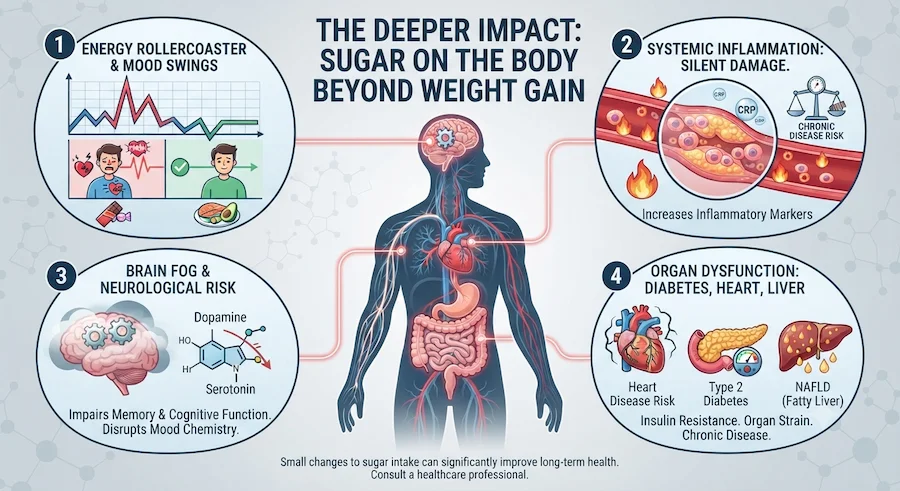
The Impact of Sugar on Your Body: Beyond Weight Gain
Cutting added sugar can smooth energy swings and help brain clarity; in India, swap sweetened coffee and juices for fruit, protein, and fiber.
Read article →
Menopause & Nutrition: Bones, Weight & What to Actually Eat
> The women who do best through perimenopause aren't the ones who change everything. They understand what's happening and make...
Read article →
Comments (0)
No comments yet. Be the first to share your thoughts.
Leave a Comment
Your comment will appear after moderation.