Anti-nutritional Factors: Their Role in Diet and Nutrition
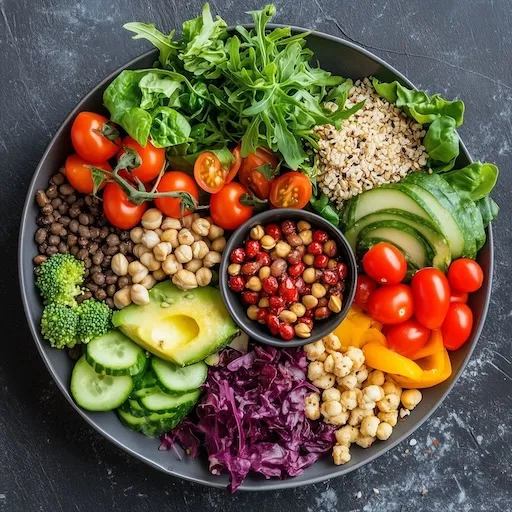
Anti-nutritional factors (ANFs) are naturally occurring compounds in plant and animal-derived foods that can interfere with the absorption and utilisation of essential nutrients. While many plant-based foods are rich in vitamins, minerals, and other beneficial compounds, some also contain ANFs that can reduce nutrient availability or exert a negative effect on health.
Common Types of Anti-nutritional Factors
Phytates (Phytic Acid): Found mostly in seeds, grains, and legumes, phytates can bind to minerals like calcium, iron, and zinc, making them harder for the body to absorb. In fact, studies suggest that phytates can inhibit up to 60% of zinc absorption, especially when eaten in large amounts . According to Dr. Marion Nestle, a food scientist, "Phytates pose a challenge because they bind essential minerals, making them less accessible for absorption, especially in communities heavily reliant on grains and legumes."
Tannins: These compounds, present in tea, coffee, some legumes, and fruits, can interfere with protein digestion and reduce iron absorption. Despite their antioxidant benefits, excessive tannin consumption could be problematic for those at risk of anaemia. As Dr. Catherine Bennett points out, "Tannins are a double-edged sword; while beneficial as antioxidants, they can limit iron absorption, a key element for healthy blood."
Oxalates: Found in foods like spinach, rhubarb, and beet greens, oxalates can bind to calcium and limit its absorption, potentially contributing to kidney stones. Research in the American Journal of Clinical Nutrition shows oxalates can reduce calcium absorption by 5-15% .
Lectins: These proteins are commonly found in legumes and grains and can interfere with nutrient absorption if not cooked properly. Some types of lectins can even cause digestive issues. Dr. Peter Miller, a food biochemist, explains, "Lectins can bind to the digestive tract lining, potentially leading to irritation if not adequately processed."
Goitrogens: Present in cruciferous vegetables like cabbage and broccoli, goitrogens can disrupt the thyroid’s ability to use iodine, which may impact thyroid health. While cooking can reduce their effect, Dr. Kate Rheaume-Bleue advises, "The benefits of these vegetables far outweigh the risks when they are part of a balanced diet."
Mitigating the Impact of Anti-nutritional Factors
The good news is that food preparation techniques can help reduce the effects of ANFs. Techniques such as soaking, sprouting, fermenting, and cooking can significantly lower the concentration of these compounds and make the nutrients more accessible. For example:
- Soaking legumes before cooking can decrease lectin and phytate levels, making them easier to digest.
- Fermenting foods like soybeans into products such as tempeh or miso can also reduce the impact of phytates, enhancing mineral absorption.
Balancing the Pros and Cons
Despite their reputation, ANFs aren't all bad. They often come with health benefits, like antioxidant or anti-inflammatory properties, which play a role in disease prevention. The key is to incorporate these foods into a diverse and balanced diet to enjoy their benefits while minimising potential drawbacks.
As Dr. Nestle sums it up, "It's not about avoiding foods with anti-nutrients altogether but rather learning how to incorporate them in a way that maximises their benefits and minimises any potential risks."
By understanding how to pair foods wisely and use the right preparation techniques, we can ensure that anti-nutrients don’t pose a significant health risk, while still enjoying the benefits of nutrient-rich, plant-based foods.
Image by Jocelyn Wong from Pixabay

Shruti Marjara Kushwaha
Nutritionist & Founder, NutriMantra
Shruti blends evidence-based nutrition with practical Indian food guidance, shaped by experience across AIIMS, VLCC, HealthKart, research, counselling, and long-term lifestyle support.
Need help applying this to your routine?
Book a consultation with Shruti for practical, personalised nutrition guidance tailored to your goals, food preferences, and health conditions.
Frequently Asked Questions
What are anti-nutritional factors and how do they affect Indian diets?
How can I reduce the effects of phytates in my diet, especially when consuming lentils and whole grains?
Are tannins in tea and coffee harmful for iron absorption in Indian diets?
What foods should I avoid if I have kidney stones, considering oxalate content?
Learn with Shruti

Related Articles
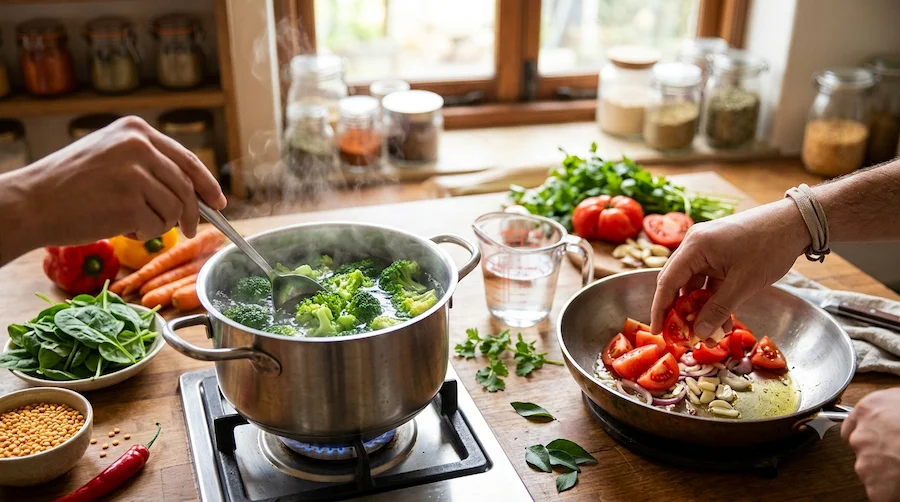
Are You Cooking the Nutrition Out of Your Food?
Cooking doesn’t automatically drain nutrition. Use less water, avoid overcooking, and remember that dal, sambar and curries retain nutrients in their cooking liquid.
Read article →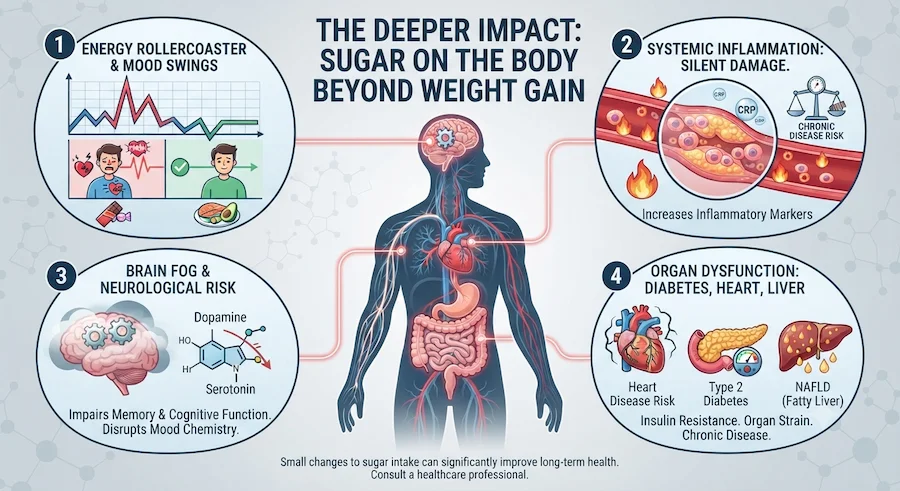
The Impact of Sugar on Your Body: Beyond Weight Gain
Cutting added sugar can smooth energy swings and help brain clarity; in India, swap sweetened coffee and juices for fruit, protein, and fiber.
Read article →
Menopause & Nutrition: Bones, Weight & What to Actually Eat
> The women who do best through perimenopause aren't the ones who change everything. They understand what's happening and make...
Read article →
Comments (0)
No comments yet. Be the first to share your thoughts.
Leave a Comment
Your comment will appear after moderation.