The Impact of Sugar on Your Body: Beyond Weight Gain
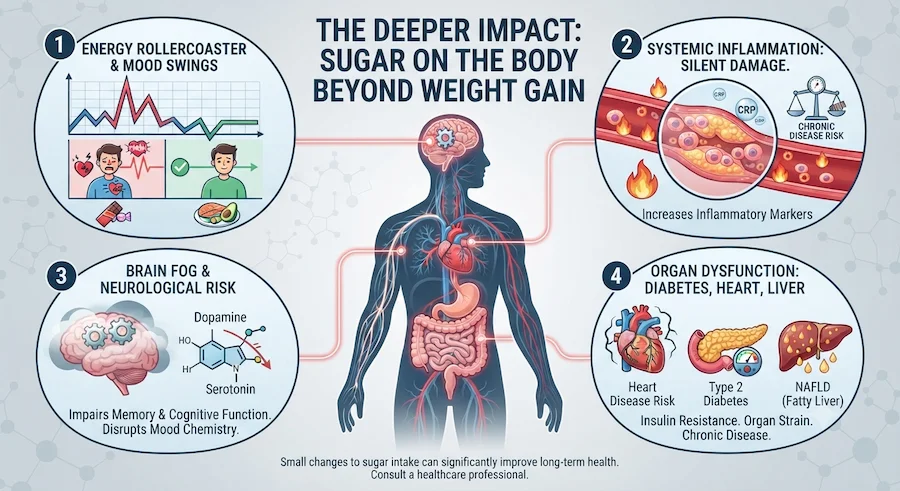
When we think about sugar, the first thing that often comes to mind is weight gain. It is easy to blame those extra pounds on sugary snacks or sodas. But sugar’s impact on our health goes far beyond the number on the scale. From energy crashes to inflammation, brain fog, and long-term disease risk, it affects your body in ways you might not expect.
Let me share a quick story. A close friend of mine used to rely heavily on sweetened coffee and candy bars to get through her busy workdays. She would feel energised for a short burst but often complained of afternoon slumps and irritability. After cutting back on added sugars, she noticed steadier energy levels and clearer thinking. Her experience reflects the broader point: sugar can affect more than weight.
Sugar and Energy: The Highs and Lows
Sugar is a simple carbohydrate that the body quickly breaks down into glucose, its primary fuel source. When you eat something sugary, your blood sugar spikes, prompting your pancreas to release insulin. This insulin helps shuttle glucose into your cells for energy. However, these highs are often followed by sudden crashes. That quick drop in blood sugar can leave you tired, cranky, and craving even more sweets; setting up a frustrating cycle.
A 2015 study published in Appetite found that consuming sugary snacks led to short-term energy spikes but also increased feelings of fatigue and reduced cognitive performance shortly afterwards. This rollercoaster effect can interfere with your productivity and mood throughout the day. Instead of reaching for a candy bar, try balancing your meals with fibre, protein, and healthy fats to maintain more stable blood sugar and energy.
Inflammation: Sugar’s Silent Threat
Beyond energy, sugar can quietly fan the flames of inflammation in your body. Chronic inflammation is a root cause of many common health problems, including heart disease, arthritis, and even some cancers. Eating high amounts of added sugars, especially from sodas and processed snacks, has been shown to increase inflammatory markers like C-reactive protein (CRP). A study in the American Journal of Clinical Nutrition linked sugary beverage consumption with higher inflammation levels in adults.
Inflammation is like a smouldering fire beneath the surface, gradually damaging tissues and organs. Cutting back on it can help reduce this internal stress and promote better overall health.
Sugar and Your Brain: More Than Just a Sweet Tooth
Have you ever noticed how eating a sugary treat might make you feel good briefly but leave you foggy or anxious later? That’s because sugar affects your brain’s chemistry in complex ways. While glucose is essential for brain function, excessive intake can impair memory and learning. Research published in Nutritional Neuroscience found that high sugar diets in young adults were linked to poorer memory performance.
Sugar also influences mood by affecting neurotransmitters like dopamine and serotonin, the chemicals that regulate pleasure and happiness. Overconsumption can disrupt this balance, potentially contributing to anxiety and depression. On a long-term scale, too much sugar may increase the risk of neurodegenerative diseases. A 2017 study in Alzheimer’s & Dementia suggested that insulin resistance caused by high sugar intake could be a factor in Alzheimer’s disease development.
Chronic Disease Risk: More Than Just Weight
The link between sugar and chronic disease is well-established. While excess calories contribute to weight gain, sugar itself can worsen your risk factors in ways that go beyond the scale.
Type 2 Diabetes: Over time, high sugar intake can cause insulin resistance, leading to elevated blood sugar levels and diabetes. The Diabetes Care journal highlights sugar-sweetened beverages as a major contributor to this risk worldwide.
Heart Disease: High sugar diets have been connected with increased blood pressure, harmful cholesterol levels, and greater heart disease risk. The Journal of the American Medical Association (JAMA) reported that people consuming 25% or more of their daily calories from sugar had a fourfold increased risk of dying from heart disease.
Non-Alcoholic Fatty Liver Disease (NAFLD): Excess fructose, a type of sugar commonly found in processed foods, overloads the liver and promotes fat buildup, leading to liver inflammation and dysfunction.
Taking Control: Practical Tips to Reduce Sugar
Reducing sugar doesn’t mean giving up all treats. It is about making mindful choices to protect your health. Here are some tips to get started:
- Read labels carefully. Added sugars hide in many packaged foods under names like corn syrup, dextrose, or maltose.
- Choose whole fruits. They provide natural sugars along with fibre, vitamins, and antioxidants.
- Drink water or unsweetened beverages. Limit sugary sodas and juices, which pack a heavy sugar punch.
- Balance your meals. Include proteins, healthy fats, and fibre to stabilise blood sugar.
- Cook at home more often. Homemade meals let you control ingredients and avoid hidden sugars.
Sugar’s impact on your body extends far beyond weight. It influences your energy, inflammation levels, brain health, and chronic disease risk. Understanding how sugar affects you and making small, consistent changes can support better health and sustained vitality.
So next time you reach for that sweet snack, pause and think: Is it truly giving you what your body needs?

Shruti Marjara Kushwaha
Nutritionist & Founder, NutriMantra
Shruti blends evidence-based nutrition with practical Indian food guidance, shaped by experience across AIIMS, VLCC, HealthKart, research, counselling, and long-term lifestyle support.
Looking for a sustainable way to lose weight without cutting out real food?
Shruti helps turn nutrition advice into a realistic plan you can follow at home, at work, and while eating out.
Learn with Shruti



Related Articles
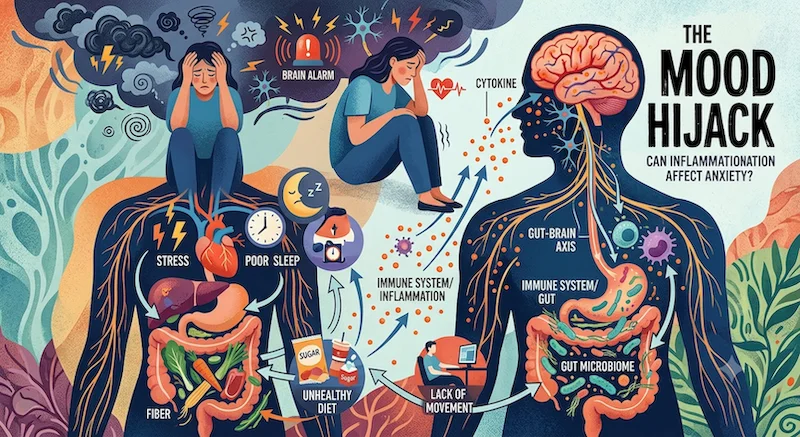
The Mood Hijack: Can Inflammation Affect Anxiety?
Inflammation may influence anxiety through immune, gut and brain signals. Learn how sleep, stress, movement and a fibre-rich Indian diet can support body and mind.
Read article →
The Anti-Inflammatory Power of Turmeric, Ginger, and Garlic
In a world where lifestyle diseases are rising and chronic inflammation is quietly wreaking havoc on our bodies, your kitchen may hold some of the most powerfu…
Read article →
Are You Cooking the Nutrition Out of Your Food?
Cooking doesn’t automatically drain nutrition. Use less water, avoid overcooking, and remember that dal, sambar and curries retain nutrients in their cooking liquid.
Read article →
Comments (0)
No comments yet. Be the first to share your thoughts.
Leave a Comment
Your comment will appear after moderation.