Childhood nutrition: Gateway to Adult Health
As mothers or caregivers, the only thought that keeps us preoccupied is the well-being of our children. Being a mother of a toddler, a school-age child or an adolescent, the thought that haunts you and keeps you worried all the time is your child’s eating habits. But the burden of studies and co-curricular activities leaves little time for us to fuss over as the child eats. As a result, it becomes a literal situation of eating on the run. Nutrition is of utmost importance throughout the growing years because of various changes taking place in the child’s body. Food and feeding are especially important during this phase of life, not only to support growth, but as the basis of lifelong, food-related habits and attitudes. Appetite and nutritional needs vary with age, activity and rate of growth.
But not to worry; with some careful planning, we can try and bridge this gap.
Packing a wholesome Lunch
Half of the day of a child is spent in schools/colleges; thus packed lunch should ensure a wholesome, attractive and appetising meal which should be able to meet 1/4th of the daily requirement of nutrients. A few lunch options that can be nutritious as well as appetising are as follows:
Savoury ideas: Stuffed roti wraps, mini burgers (with hummus and mixed veg tikki), vegetable rava idli, baked veg cutlets/kebabs, whole wheat pasta prepared as salads, brown bread pizza, can be added to the packed lunch menu ideas once or twice a week to add variety. You can also use different spreads while making sandwiches to add variety. Create a quick sandwich spread by blending fresh cream, finely chopped or grated vegetables and season with salt and pepper.
Sweet ideas: Children have a renowned sweet tooth. Small fruits like grapes, strawberries, peach, plum, cherries or yoghurts are ideal for a sugar boost. Sometimes cupcakes or biscuits can be added to break the monotony.
Beverages: The availability of spill-proof bottles allows us to add beverages to the lunch options. Beverages like lemonade, fruit punch, mango panna, etc., can be sent along with lunch in the summer months. These will ensure the intake of fluids and electrolytes and prevent dehydration from setting in.
Include these foods
School lunch should be a combination of cereals, pulses/dairy/flesh foods (if permitted at school), fruits/vegetables. These foods ensure a right mix of nutrients like carbohydrates, proteins, vitamins and minerals. The packed lunch should include carbohydrates (rice /chapatti/parantha), proteins (pulses, paneer, soy nuggets, egg/non-veg) and vitamins-minerals (vegetables and fruits). E.g., Vegetable and nutri nuggets Pulao & fruit; Methi/palak parantha with fruit; Dal parantha & fruit; Paneer sandwich & fruit, etc.
Insist on giving homemade food
Kids definitely like and would eat something or other from the canteen, but we need to insist on sending homemade food with them. As this is the only way of ensuring nutritious and hygienic meals.
Be watchful
By being watchful, you can prevent any nutritional deficiencies from setting in. Be on the lookout for any slightest change in your child’s activity: is your child getting tired frequently / are the grades dropping/is the child no longer interested in sports and physical activity? If yes, the chances are high that the child might be suffering from some nutritional deficiencies. Get them checked and focus on providing those nutrients through diet or supplements.
Childhood and adolescence are the gateway to adult health. But children in this phase tend to ignore nutrition as they have less time and maybe do not know or care about the effects malnutrition (over- as well as undernutrition) can have on their future life. We, as their guiding forces, can, however, be the facilitators for their healthy diet and lifestyle.

Shruti Marjara Kushwaha
Nutritionist & Founder, NutriMantra
Shruti blends evidence-based nutrition with practical Indian food guidance, shaped by experience across AIIMS, VLCC, HealthKart, research, counselling, and long-term lifestyle support.
Need help applying this to your routine?
Book a consultation with Shruti for practical, personalised nutrition guidance tailored to your goals, food preferences, and health conditions.
Frequently Asked Questions
What are some healthy Indian lunch options for school-going children?
How can I make my child's lunch more appealing and nutritious?
What beverages can I pack for my child's lunch to keep them hydrated?
How important is childhood nutrition for long-term health?
Learn with Shruti



Related Articles
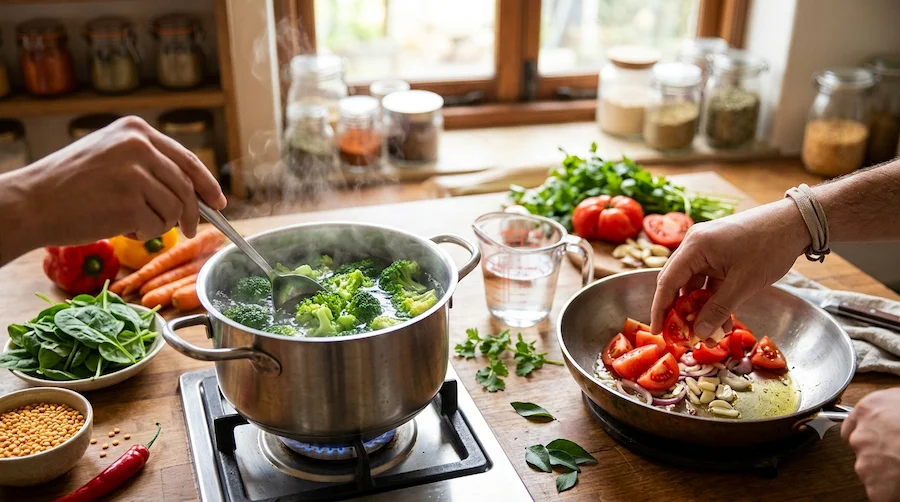
Are You Cooking the Nutrition Out of Your Food?
Cooking doesn’t automatically drain nutrition. Use less water, avoid overcooking, and remember that dal, sambar and curries retain nutrients in their cooking liquid.
Read article →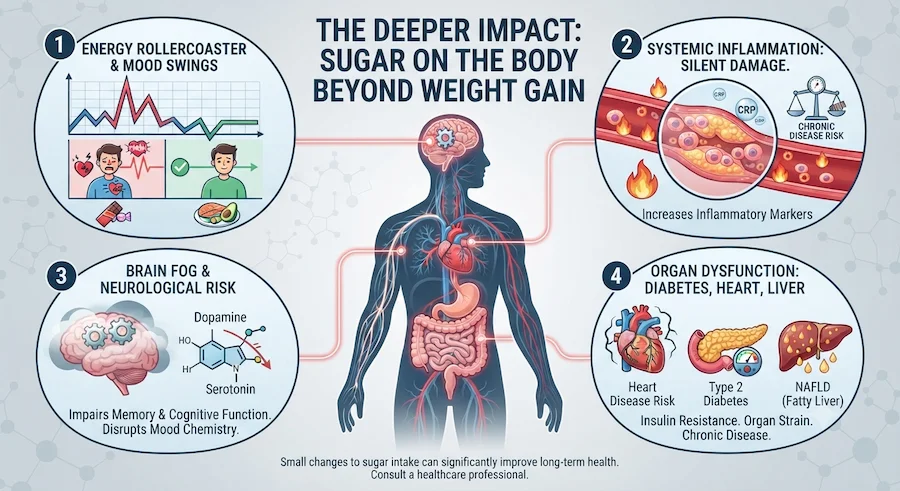
The Impact of Sugar on Your Body: Beyond Weight Gain
Cutting added sugar can smooth energy swings and help brain clarity; in India, swap sweetened coffee and juices for fruit, protein, and fiber.
Read article →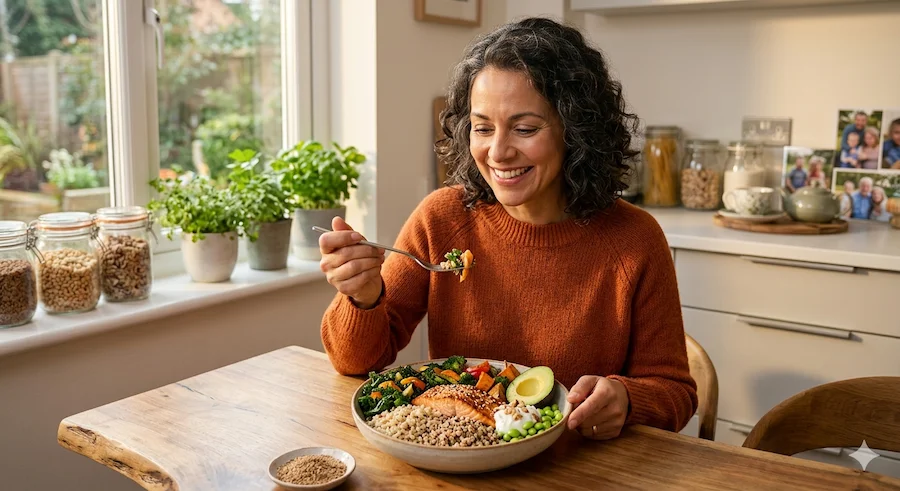
Menopause & Nutrition: Bones, Weight & What to Actually Eat
> The women who do best through perimenopause aren't the ones who change everything. They understand what's happening and make...
Read article →
Comments (0)
No comments yet. Be the first to share your thoughts.
Leave a Comment
Your comment will appear after moderation.