Cooking Oils for Indian Cuisine: Benefits, Uses & Considerations
Cooking oils are essential in Indian cuisine, from tempering spices to frying. However, the choice of oil can significantly impact both health and flavor. This guide explores healthy oils for various types of Indian cooking, highlighting their benefits, ideal uses, and considerations.
Mustard Oil
? Flavour Profile: Strong, pungent, ideal for North and East Indian dishes.
? Smoke Point: 250°C (482°F), making it excellent for high-heat cooking.
? Pros: Rich in omega-3 and omega-6 fatty acids, which support heart health. Contains around 60% monounsaturated fats, helping improve cholesterol levels.
? Cons: Contains erucic acid, which in large amounts has raised health concerns, though moderate use is generally safe.
? Best For: Stir-frying, pickling, deep-frying, and fish curries.
? Research Insights: A 2020 study in the Journal of Food Science highlighted mustard oil’s role in supporting cardiovascular health and reducing triglycerides when part of a balanced diet.
Ghee (Clarified Butter)
? Flavour Profile: Rich, nutty; commonly used in North Indian and Ayurvedic cuisine.
? Smoke Point: 250°C (482°F).
? Pros: Contains conjugated linoleic acid (CLA), which has antioxidant and anti-inflammatory properties. Rich in vitamins A, D, E, and K2.
? Cons: High in saturated fats; should be consumed in moderation, especially by individuals with cholesterol concerns.
? Best For: Slow cooking, tadka (tempering), roasting, and baking.
? Research Insights: Studies suggest moderate ghee consumption may not negatively impact heart health, but further research is needed regarding its effects on HDL cholesterol.
Coconut Oil
? Flavour Profile: Sweet, aromatic, commonly used in South Indian dishes.
? Smoke Point: 177°C (350°F) for virgin; 232°C (450°F) for refined.
? Pros: Contains medium-chain triglycerides (MCTs), which are easier to digest and may support metabolism. High in lauric acid, which has antimicrobial properties.
? Cons: High in saturated fats, which some studies link to increased LDL cholesterol levels. The MCTs in coconut oil may partially offset this effect, but excessive intake should be avoided.
? Best For: Light frying, sautéing, coconut-based curries.
? Research Insights: The International Journal of Obesity (2020) suggests MCTs may aid metabolism, but long-term impacts on weight and heart health require further research.
Rice Bran Oil
? Flavour Profile: Mild and neutral, ideal for Indian cooking.
? Smoke Point: 232°C (450°F).
? Pros: High in oryzanol, an antioxidant that helps lower LDL cholesterol. Contains vitamin E and heart-healthy fats.
? Cons: Higher omega-6 content, which should be balanced with omega-3 intake.
? Best For: Deep-frying, stir-frying, general cooking.
? Research Insights: A 2018 study in the Journal of Clinical Lipidology found that oryzanol in rice bran oil can help reduce LDL cholesterol by 7-15%, supporting heart health.
Olive Oil (Extra Virgin and Light)
? Flavour Profile: Fruity and mildly bitter, more commonly associated with Mediterranean cuisine.
? Smoke Point: 190°C (374°F) for extra virgin; 220°C (428°F) for light/refined.
? Pros: High in monounsaturated fats, known for reducing heart disease risk. Rich in antioxidants and anti-inflammatory compounds like oleocanthal.
? Cons: Lower smoke point means extra virgin olive oil is not suitable for deep-frying. However, light olive oil can handle moderate-heat cooking.
? Best For: Light sautéing, drizzling over salads, making chutneys, or dips like hummus.
? Research Insights: The New England Journal of Medicine (2018) confirmed olive oil’s role in cardiovascular health, especially in a Mediterranean diet.
Groundnut (Peanut) Oil
? Flavour Profile: Mildly nutty, widely used in Gujarat and Maharashtra.
? Smoke Point: 232°C (450°F).
? Pros: High in monounsaturated fats, making it stable for high-heat cooking. Contains vitamin E and some resveratrol, offering antioxidant benefits.
? Cons: Allergy risk for individuals sensitive to peanuts.
? Best For: Deep-frying, stir-frying, making snacks like pakoras and samosas.
? Research Insights: A 2017 study in Food Chemistry found that peanut oil’s antioxidants help reduce oxidative stress, supporting overall health.
Choosing the Right Cooking Oil for Your Needs
Since Indian cooking often involves high heat, selecting oils with a high smoke point and balanced fat profile is crucial. Here’s a quick guide:
? For deep-frying: Mustard oil, rice bran oil, groundnut oil.
? For sautéing & light frying: Refined coconut oil, light olive oil, groundnut oil.
? For flavourful, low-heat cooking: Ghee, extra virgin olive oil, virgin coconut oil.
Each oil has its unique benefits, and using a variety of oils in rotation ensures a balance of nutrients. Since oils are calorie-dense, moderation is key. By understanding the pros and cons of each oil, you can make informed choices that enhance both your health and culinary experience.

Shruti Marjara Kushwaha
Nutritionist & Founder, NutriMantra
Shruti blends evidence-based nutrition with practical Indian food guidance, shaped by experience across AIIMS, VLCC, HealthKart, research, counselling, and long-term lifestyle support.
Need help applying this to your routine?
Book a consultation with Shruti for practical, personalised nutrition guidance tailored to your goals, food preferences, and health conditions.
Frequently Asked Questions
Which cooking oil is best for Indian frying?
Is ghee healthy for daily cooking in Indian diets?
Can coconut oil be used for Indian cooking?
What are the myths about using mustard oil in Indian cooking?
Learn with Shruti


Related Articles
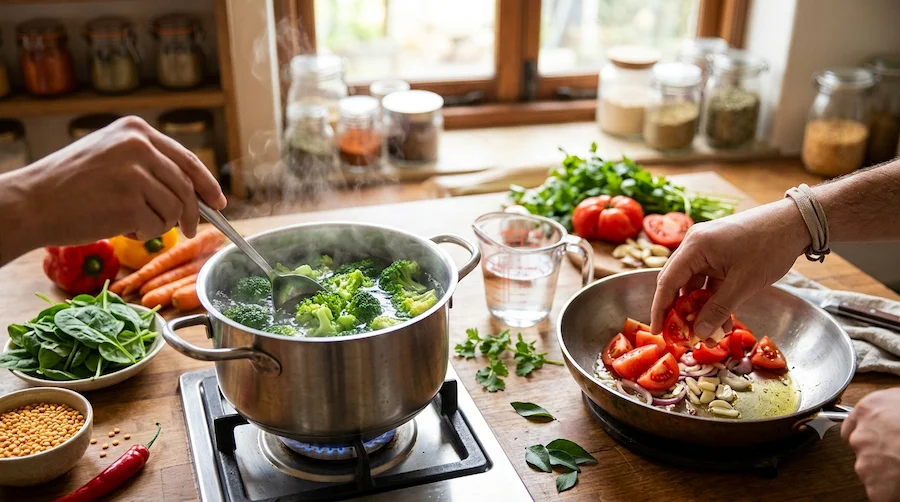
Are You Cooking the Nutrition Out of Your Food?
Cooking doesn’t automatically drain nutrition. Use less water, avoid overcooking, and remember that dal, sambar and curries retain nutrients in their cooking liquid.
Read article →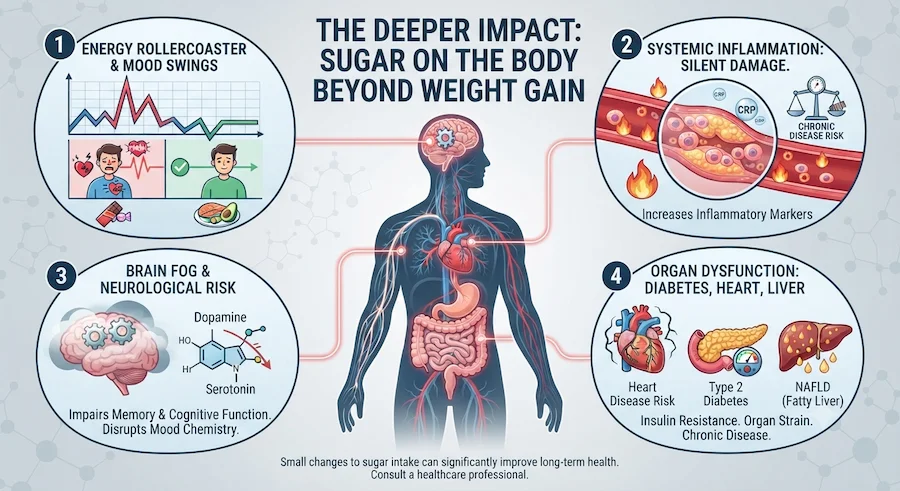
The Impact of Sugar on Your Body: Beyond Weight Gain
Cutting added sugar can smooth energy swings and help brain clarity; in India, swap sweetened coffee and juices for fruit, protein, and fiber.
Read article →
Menopause & Nutrition: Bones, Weight & What to Actually Eat
> The women who do best through perimenopause aren't the ones who change everything. They understand what's happening and make...
Read article →
Comments (0)
No comments yet. Be the first to share your thoughts.
Leave a Comment
Your comment will appear after moderation.