Fats which make you FIT
Fats and oils are integral part of cooking and our diet. Apart from adding on to the flavor it has numerous other functions to play in our bodies. We often are scared of adding oils because of numerous health risks they pose. But by monitoring the quantity as well as the type of oils we consume we can negate their harmful effects and get benefited by their consumption. In the following write up I will be rating the fats as well as the foods which are good sources of fat and will list their benefits / harmful effects as well.
Fit For Life: Fats in this category contain at least 80 percent unsaturated fats. Most contain some essential fatty acids, and all contribute to the health and well-being of the mind and body. But being healthy does not permit us to overindulge in fats kept in this group.
|
FOOD | COMMENT |
| Flax seeds, flax oil | Richest source of essential fatty acids and DHA. |
| Fish (cold-water) | Coldwater fish, especially salmon and tuna are rich sources of DHA (docosahexenoic acid). |
| Seeds (sunflower, pumpkin) | Rich source of essential omega 6 fatty acids, mostly unsaturated fats. |
| Canola oil | Ranks second to flax oil as the oil richest in essential fatty acids, especially DHA |
| Soy products (e.g., soy milk, tofu) | Rich in essential omega 3 and omega 6 fatty acids, similar to fish oils. Also, contains lecithin. Can reduce cholesterol |
| Olive oil | Mostly unsaturated fats |
| Nuts | Almonds and walnuts contain 90 percent unsaturated fats; cashews are low in total fat that is mostly unsaturated. |
| Monounsaturated Fats | |
| Peanut butter | Mostly unsaturated fats. A good source of protein. Healthy alternatives to peanut butter are soybean butter, sesame seed butter, and cashew butter. |
| Hummus (a spread made from chickpeas) | Approximately 85 percent unsaturated fats, plus good source of protein, folic acid, many vitamins and minerals and no cholesterol |
| Wheat germ | Mostly unsaturated, plus rich source of many other vitamins and minerals |
Moderate Category: Fats in this category contain a balance of saturated and unsaturated fatty acids which, if eaten in moderation, contribute to the health and well-being of the body. In addition, many of these foods are rich sources of other nutrients as well.
|
FOODS |
COMMENT |
| Yogurt (low fat) | Like all dairy products, mostly saturated fats. |
| Milk (1 or 2 %) | Around 50 percent of the fat content of whole milk |
| Egg | More unsaturated than saturated fats, yolk is high in cholesterol. Use only egg white if you are cholesterol sensitive. |
| Beef (sirloin, trimmed) | High cholesterol, around 50-50 saturated and unsaturated fats. |
| Turkey (breast, skinless) | Around 50-50 saturated and unsaturated fats. |
| Cocoa butter | Even though it is a saturated fat, it is metabolized like a monounsaturated fat similar to olive oil. |
Not To Be Consumed: You could eliminate all the fats in this category and you would be healthier if you do so. Any nutrient that might be in any of these fats could be obtained from other fats with better nutritional credentials.
|
FOODS |
COMMENT |
| Tallow (chicken or beef) | Ninety percent saturated fats |
| Lard | High in saturated fatty acids |
| Palm-kernel oil | Mostly saturated fats. Contains palmitoleic acid, a fat, which eaten in excess, can interfere with essential fatty acid metabolism. |
| Coconut oil | Over 90 percent saturated fats |
| Hydrogenated Fats | Tops the list of fats that are bad for you. |
| Margarines | High in hydrogenated fats, especially those with a lot of coconut, palm- kernel and hydrogenated oils. |
| Shortening | Especially those with lard, hydrogenated oils, palm kernel, coconut oils or tallow. |
| Cottonseed oil | More unsaturated than saturated fat, but usually hydrogenated and may contain pesticide residues. |
By choosing fats from the fit category we can go from fat to fit and enjoy our meals as well.

Shruti Marjara Kushwaha
Nutritionist & Founder, NutriMantra
Shruti blends evidence-based nutrition with practical Indian food guidance, shaped by experience across AIIMS, VLCC, HealthKart, research, counselling, and long-term lifestyle support.
Need help applying this to your routine?
Book a consultation with Shruti for practical, personalised nutrition guidance tailored to your goals, food preferences, and health conditions.
Frequently Asked Questions
What are the healthiest cooking oils for Indian cuisine?
How can I incorporate healthy fats into my Indian diet?
Are all fats bad for health?
What is the role of omega-3 fatty acids in Indian diets?
Learn with Shruti


Related Articles
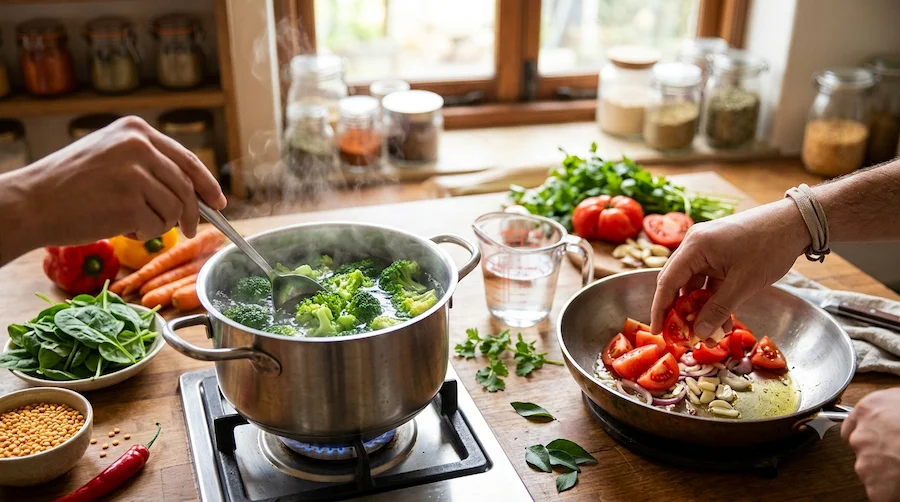
Are You Cooking the Nutrition Out of Your Food?
Cooking doesn’t automatically drain nutrition. Use less water, avoid overcooking, and remember that dal, sambar and curries retain nutrients in their cooking liquid.
Read article →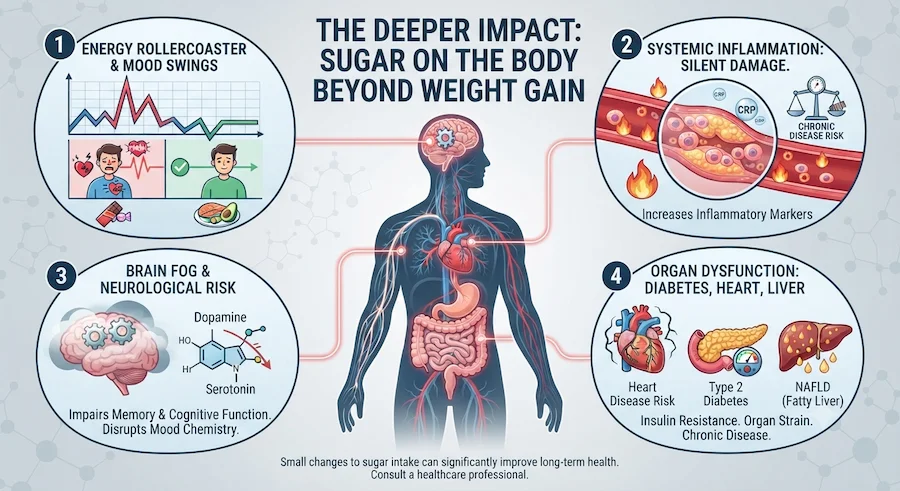
The Impact of Sugar on Your Body: Beyond Weight Gain
Cutting added sugar can smooth energy swings and help brain clarity; in India, swap sweetened coffee and juices for fruit, protein, and fiber.
Read article →
Menopause & Nutrition: Bones, Weight & What to Actually Eat
> The women who do best through perimenopause aren't the ones who change everything. They understand what's happening and make...
Read article →
Comments (0)
No comments yet. Be the first to share your thoughts.
Leave a Comment
Your comment will appear after moderation.