
HbA1c: A tool You Can't Cheat With
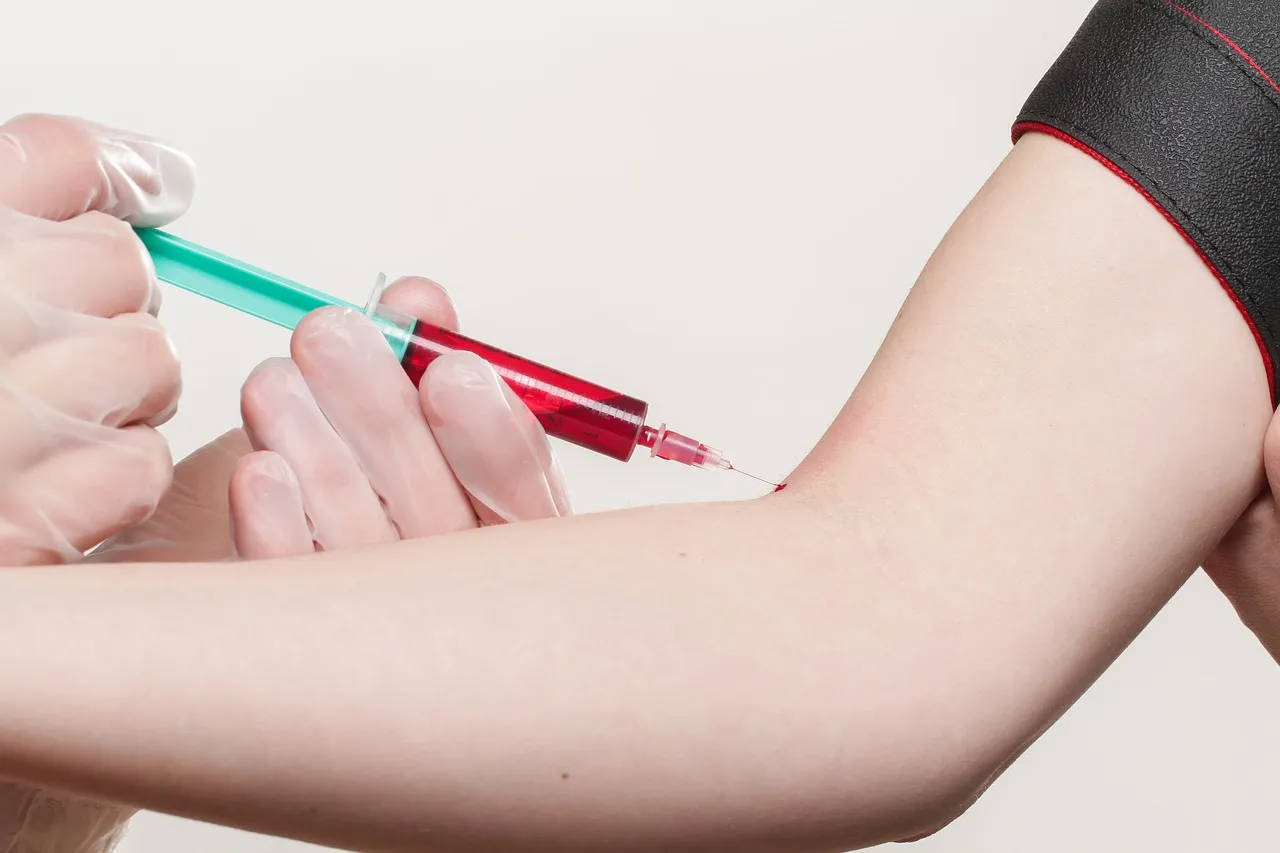
It is the time for your routine blood sugar test. You start being strict with your diet so that the test is in your favour. Well with routine fasting and PP this might work but with HbA1c forget about cheating. It can easily find out how much you have cheated on your diet and how good or bad the blood glucose has been over the months.
HbA1c testing is currently one of the best ways to check whether blood glucose levels of a diabetic person are under control or not. This test can be administered to detect diabetes and also to check blood glucose control over several months. The higher the result, the higher is the risk of developing diabetes or diabetes-related complications in case a person is already a diabetic.
What is HbA1c?
HbA1c measures the amount of glycated / glycosylated haemoglobin in the blood. Glucose present in blood sticks to the haemoglobin to make a 'glycosylated haemoglobin' molecule, called HbA1c. More glucose in the blood creates higher levels of haemoglobin A1c or HbA1c. Red blood cells (RBCs) live for 120 days before the body replaces them. Measuring the HbA1c can ascertain the average level of high blood glucose over the last 120 days.Therefore, a build-up of glycated hemoglobin within the red cell reflects the average level of glucose that has exposed the cell during its life-cycle.
The International Diabetes Federation and American College of Endocrinology recommend considering HbA1c values of 6% or less as normal, and diagnosing diabetes if the value is above 6.5%. A person with diabetes should try to maintain the level at or below 7%. Abnormal results mean that the blood glucose levels have been above normal over weeks to months. For a diabetic person, if the levels are above 7%, diabetes control may not be as good as it should be. Doctors usually recommend checking the levels of a diabetic person every 3 or 6 months.
Glucose levels fluctuate from minute to minute, hour to hour, and day to day. Thus, for day-to-day control, a blood glucose test is the best guide. The HbA1c level changes slowly over 10 weeks, so it can only be used as a 'quality control' test.
Image by Angelo Esslinger from Pixabay

Shruti Marjara Kushwaha
Nutritionist & Founder, NutriMantra
Shruti blends evidence-based nutrition with practical Indian food guidance, shaped by experience across AIIMS, VLCC, HealthKart, research, counselling, and long-term lifestyle support.
Need a realistic meal plan for diabetes or prediabetes?
Book a consultation for personalised guidance on Indian meals, portions, timings, and long-term blood sugar management.
Frequently Asked Questions
What foods can help lower my HbA1c levels in an Indian diet?
How often should I check my HbA1c levels if I am diabetic in India?
Is it true that I can cheat on my diet and still have a normal HbA1c?
What lifestyle changes can I make to improve my HbA1c levels in India?
Learn with Shruti


Related Articles

Are You Cooking the Nutrition Out of Your Food?
Cooking doesn’t automatically drain nutrition. Use less water, avoid overcooking, and remember that dal, sambar and curries retain nutrients in their cooking liquid.
Read article →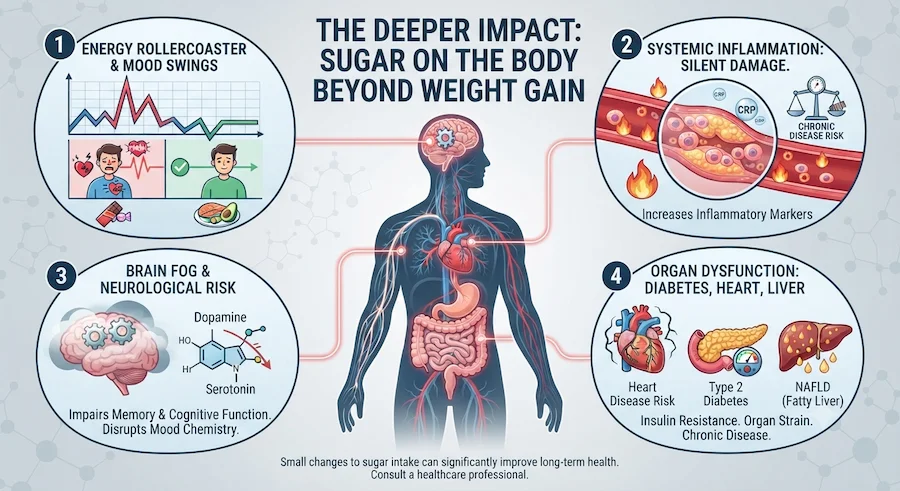
The Impact of Sugar on Your Body: Beyond Weight Gain
Cutting added sugar can smooth energy swings and help brain clarity; in India, swap sweetened coffee and juices for fruit, protein, and fiber.
Read article →
Menopause & Nutrition: Bones, Weight & What to Actually Eat
> The women who do best through perimenopause aren't the ones who change everything. They understand what's happening and make...
Read article →Comments (2)
Leave a Comment
Your comment will appear after moderation.
ANITA BASERA · Dec 18, 2012 03:02 PM
i like the information bt elaborate more on the details of glycosylated haemoglobin, i mean ita metabolic aspects.
Shruti · Jan 02, 2013 02:06 PM
Reply
Hemoglobin and glucose combine to make HbA1c. The higher the amount of free glucose available in blood (diabetes) higher is the saturation of hemoglobin molecule and higher the value of HbA1c. It is considered better than regular blood glucose testing because it gives a a clear picture on blood glucose management over past 2-3 months. Apologies for the late response.