Intermittent Fasting: Fasting For Health

Intermittent fasting is an eating pattern where you rotate between periods of eating and fasting. There is no mention of the foods which you should eat (though an important aspect), the focus is largely on when you should eat them.
There are several different intermittent fasting methods, some split the day (hours of eating & fasting) and some split the week (days of fasting).
Types of Intermittent Fasting
- The 16/8 Method: Fast for 16 hours each day and eat in the 8-hour window.
- Eat-Stop-Eat: Once or twice a week, do not eat anything for 24 hours (e.g. from lunch one day, until lunch the next day.
- The 5:2 Diet: Consume about 500-600 calories for 2 days a week.
No food which provides calories is allowed during the fasting period. You may drink water, tea (without milk & sugar), coffee (again without milk & sugar) and other non-caloric beverages.
Technically we fast every day while sleeping. We can transform this fasting to intermittent fasting by extending the number of hours. It might look a bit difficult but not as much as you think it to be. It is more about making a habit and sticking to it. We will be talking more about the types of intermittent fasting & how to go about it in subsequent posts.
Reported Benefits of Intermittent Fasting
- Many people report feeling better and having more energy during a fast. When we fast a lot of significant physiological and biochemical changes take place inside our bodies. like reduction in blood sugar levels, insulin levels, etc.
- Intermittent fasting also works for some to lose weight or in others to improve various risk factors for diseases.
- Some research also suggests that it can help protect against diseases, including heart disease, type 2 diabetes, cancer, Alzheimer’s disease to name a few.
As long as you stick to health-promoting foods during the eating window and stick to fasting schedule you can have some very impressive health benefits without investing in much time and expensive foods.

Shruti Marjara Kushwaha
Nutritionist & Founder, NutriMantra
Shruti blends evidence-based nutrition with practical Indian food guidance, shaped by experience across AIIMS, VLCC, HealthKart, research, counselling, and long-term lifestyle support.
Need help applying this to your routine?
Book a consultation with Shruti for practical, personalised nutrition guidance tailored to your goals, food preferences, and health conditions.
Frequently Asked Questions
What Indian foods can I eat during my eating window while following intermittent fasting?
Is intermittent fasting safe for everyone in India, especially for those with diabetes?
Can I drink chai or coffee during the fasting period of intermittent fasting in India?
What are some common myths about intermittent fasting in the Indian context?
Learn with Shruti

Related Articles
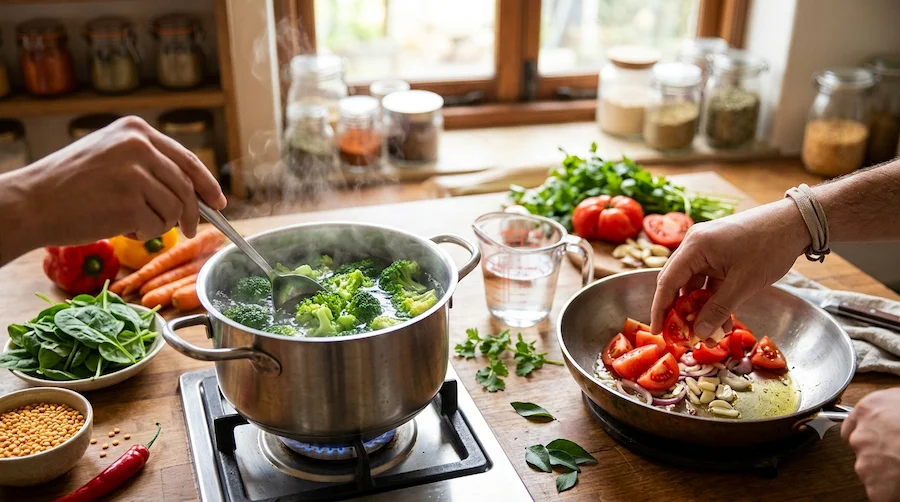
Are You Cooking the Nutrition Out of Your Food?
Cooking doesn’t automatically drain nutrition. Use less water, avoid overcooking, and remember that dal, sambar and curries retain nutrients in their cooking liquid.
Read article →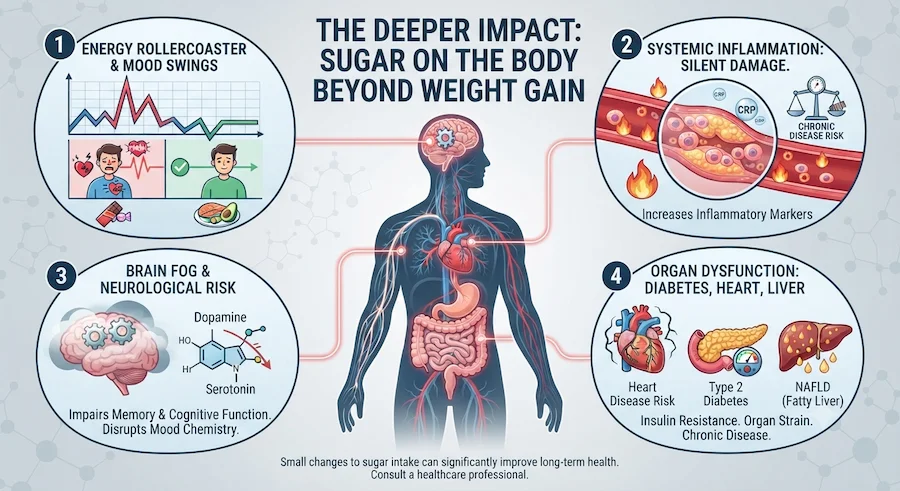
The Impact of Sugar on Your Body: Beyond Weight Gain
Cutting added sugar can smooth energy swings and help brain clarity; in India, swap sweetened coffee and juices for fruit, protein, and fiber.
Read article →
Menopause & Nutrition: Bones, Weight & What to Actually Eat
> The women who do best through perimenopause aren't the ones who change everything. They understand what's happening and make...
Read article →
Comments (0)
No comments yet. Be the first to share your thoughts.
Leave a Comment
Your comment will appear after moderation.