Let’s Improve Our Line of Defense
Our ancestors were quite lucky; they had a cleaner and greener environment to breathe and live in. The pollution nowadays is taking a toll on our health and with various different infections doing the rounds the least we can do is to improve our immune system so as to fight the bugs with vigour rather than succumbing to them.
Here is a listing of foods which do improve our immune system if taken periodically in our diet.
Vitamin C: Vitamin C tops the list of foods that boost immune system as it increases the production of infection-fighting white blood cells and antibodies. Rich sources of Vitamin C include bell peppers, oranges, berries, lemon, grapefruit, papaya, broccoli, kiwi, guava, melons, cherries, strawberry and amla to name a few.
Vitamin E: It stimulates the production of natural killer cells, those that seek out and destroy germs and cancer cells. You need 100-400 mg of Vitamin E per day, depending on your lifestyle. E.g. people who don’t exercise, who smoke, and who consume high amounts of alcoholic beverages will need this vitamin towards the higher end. Foods rich in vitamin E include whole grains, wheat germ, milk, asparagus, broccoli, leafy greens, liver, olives, soybeans, sunflower seeds, nuts and vegetable oils.
Vitamin D: Not many know that deficiency of Vitamin D can reduce immunity. New research suggests vitamin D could boost immune response, and too-low levels may be linked to an increase in seasonal colds and flu. Make sure that you are getting enough of it through diet and sun.
Vitamin A: Beta carotene increases the number of infection-fighting cells. Look for yellow and orange fruits and vegetables (carrot, papaya, tomato, bell peppers, mango, apricots, etc.), dark green leafy vegetables (spinach, fenugreek), liver, eggs, dairy products and fish liver oil for food sources of vitamin A.
Zinc: This valuable mineral increases the production of white blood cells that fight infection and helps them fight more aggressively. Crabs, oysters, pork, poultry, beans, cashews, yoghurt, pumpkin and sunflower seeds, whole-wheat flour, rye flour, oat flour, lean red meat, eggs, legumes, mushrooms, spinach are rich sources of zinc. Too much zinc, however can stop other important minerals from being absorbed.
Omega-3 fatty acids: The essential omega-3 fatty acid found in fatty fish (e.g. salmon, tuna, mackerel) limits several cellular processes and increases your immunity. Vegetarians can add omega-3 in their diet by taking ½ to 1 teaspoon of flax seeds a day.
Selenium: This mineral increases natural killer cells and mobilizes cancer-fighting cells. Sources include safflower oil, whole grains, milk, asparagus, broccoli, leafy greens, olives, soybeans, sunflower seeds, nuts, vegetable oils, tuna, lobster, shrimp, vegetables (depending on the selenium content of the soil they are grown in), brown rice, cottage cheese, chicken and garlic.
Your lifestyle can also affect how well your immune system can protect you from germs, viruses, and chronic illness. Use following pointers to improve your lifestyle and keep the immune system healthy.
Stress and immunity never go hand in hand. Extreme stress reduces the natural killer cell count and decreases immunity. Learn some stress coping skills like meditation or music therapy and other relaxation techniques that can help in decreasing the stress levels.
Lack of adequate sleep increases levels of proteins associated with inflammation and reduces natural body immunity. Make sure you get minimum of 7 to 8 hours of sleep every night.
Physical activity can help keep immunity intact. It has been proved that people who exercise for five days a week are less prone to cold and flu. Take a 10-minute walk a few times a day. Getting a total of 20 to 30 minutes of daily physical activity can bolster defense of the immune system.
By following these simple measures we can surely decrease the episodes or extent of infections.

Shruti Marjara Kushwaha
Nutritionist & Founder, NutriMantra
Shruti blends evidence-based nutrition with practical Indian food guidance, shaped by experience across AIIMS, VLCC, HealthKart, research, counselling, and long-term lifestyle support.
Need help applying this to your routine?
Book a consultation with Shruti for practical, personalised nutrition guidance tailored to your goals, food preferences, and health conditions.
Frequently Asked Questions
What are some Indian foods rich in Vitamin C to boost immunity?
How can I increase my Vitamin D levels naturally in India?
What are the best vegetarian sources of Zinc available in India?
Are there any myths about immunity-boosting foods in Indian culture?
Learn with Shruti


Related Articles
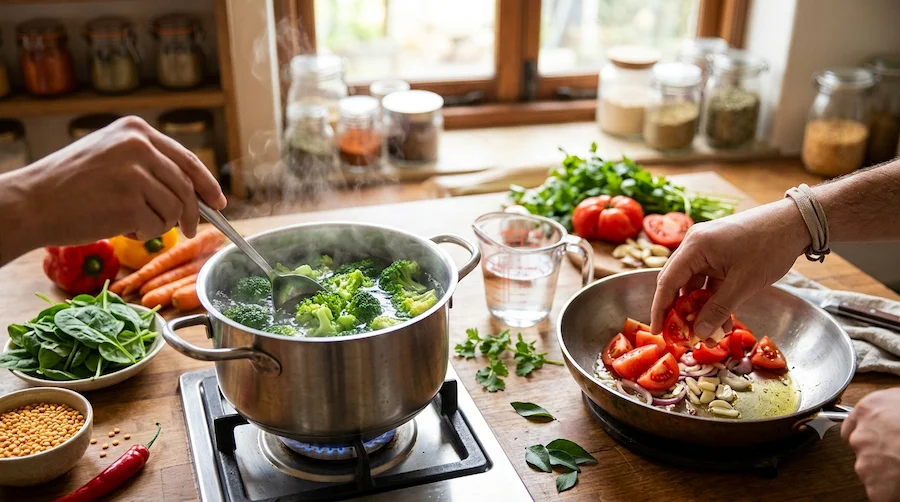
Are You Cooking the Nutrition Out of Your Food?
Cooking doesn’t automatically drain nutrition. Use less water, avoid overcooking, and remember that dal, sambar and curries retain nutrients in their cooking liquid.
Read article →
The Impact of Sugar on Your Body: Beyond Weight Gain
Cutting added sugar can smooth energy swings and help brain clarity; in India, swap sweetened coffee and juices for fruit, protein, and fiber.
Read article →
Menopause & Nutrition: Bones, Weight & What to Actually Eat
> The women who do best through perimenopause aren't the ones who change everything. They understand what's happening and make...
Read article →
Comments (0)
No comments yet. Be the first to share your thoughts.
Leave a Comment
Your comment will appear after moderation.