Mitigate gall stones
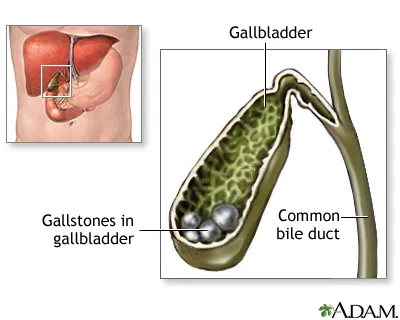
Gallbladder stones also known as gallstones, are formed when the fluid in the gall bladder gets hardened and forms deposits. They may not cause any symptoms and might get discovered incidentally during routine imaging tests. Let's get to know how to prevent their happening or how to minimise symptoms...
The gallbladder stores bile, a fluid made by the liver, that helps digest fat in the diet. Stones can form in the gall bladder that might be made up of different substances, like cholesterol, and bilirubin, and they can vary in size from as small as a grain of sand to as large as a golf ball.
The exact cause of gallstones is unknown, but the factors that can increase the risk of developing them include obesity, a diet high in fat and cholesterol, rapid weight loss, and certain medical conditions such as diabetes and liver disease. Women are more likely to develop them than men.
There are "four Fs" of gallstones:
- The first F is Female gender: Women are more likely to develop gallstones than men, especially those who have had multiple pregnancies, use hormonal contraceptives or hormone replacement therapy, or are obese.
- The second F is Fat: A diet high in fat and cholesterol can increase the risk of gallstones.
- The third F is Forty years old or older: The risk of developing gallstones increases with age, with most cases occurring in people over 40.
- And last F is Fertile: Pregnancy and fertility can increase the risk of developing gallstones, likely due to the hormonal changes that occur during pregnancy and the fact that the gallbladder does not function as effectively during pregnancy.
As mentioned earlier, gallstones can be asymptomatic however, if a gallstone blocks the bile duct (small thin tubes that go from the liver to the small intestine), it can cause symptoms such as:
Pain in the upper right abdomen or center of the abdomen
Nausea and vomiting
Jaundice
Clay-colored stools
Fever and chills
So what should be the line of treatment and how can we prevent gallstones from forming in the first place?
Treatment for gallstones depends on the severity of the symptoms and the size and location of the stones. In some cases, lifestyle changes, such as a low-fat diet, and increased physical activity might work or medications to dissolve gallstones may also be prescribed. However, if the stones are causing severe symptoms or complications, surgery may be necessary to remove the gallbladder.
A healthy diet is an important part of managing gallstones, and changing your diet can help reduce symptoms and prevent new gallstones from forming. Here are some dietary recommendations:
- Low-fat diet: Eating a low-fat diet can help reduce the workload of the gallbladder and decrease the amount of cholesterol in the bile. Avoid high-fat foods such as fried foods, fatty meats, cream, butter, cheese, etc.
- High-fiber diet: A diet high in fiber can help in the removal of cholesterol in stool, decreasing its availability to form stones. Good sources of fiber include fruits and vegetables preferably with peels, whole grains, and legumes.
- Plenty of fluids: Drinking plenty of fluids can help prevent dehydration, which can increase the risk of developing gallstones. Aim for at least 8-10 glasses of water daily.
- Avoid rapid weight loss: Rapid weight loss can increase the risk of developing gallstones. Instead, aim for gradual weight loss.
- Limit alcohol intake: Excessive alcohol consumption can increase the risk of developing gallstones.
It's also important to avoid skipping meals and to eat regular, balanced meals throughout the day. Talk to your doctor or nutritionist for personalized dietary advice based on your needs and medical history.
Apart from following the above-suggested measures, there are a few more lifestyle modifications that can help reduce the risk of developing gallstones:
- Maintain a healthy weight: Being overweight or obese increases the risk of developing gallstones, so maintaining a healthy weight through regular exercise and a balanced diet is important.
- Eat a healthy diet: Following a diet that is low in fat and high in fiber, with plenty of fruits, vegetables, and whole grains, can help reduce the risk of gallstones.
- Don't skip meals: Skipping meals or fasting can increase the risk of developing gallstones, so it's important to eat regular meals throughout the day.
- Talk to your doctor about medications: Certain medications may increase the risk of developing gallstones, so it's important to discuss any medications you are taking with your doctor.
It's important to remember that while these lifestyle modifications can help reduce the risk of gallstones, they may not completely prevent them. If you have a family history of gallstones or other risk factors, talk to your healthcare provider about ways to monitor and manage your risk.
Image Courtesy: www.medlineplus.gov

Shruti Marjara Kushwaha
Nutritionist & Founder, NutriMantra
Shruti blends evidence-based nutrition with practical Indian food guidance, shaped by experience across AIIMS, VLCC, HealthKart, research, counselling, and long-term lifestyle support.
Need help applying this to your routine?
Book a consultation with Shruti for practical, personalised nutrition guidance tailored to your goals, food preferences, and health conditions.
Frequently Asked Questions
What foods should I avoid to prevent gallstones in an Indian diet?
Are there any specific Indian herbs or remedies that can help in managing gallstones?
How can I incorporate physical activity into my daily routine to reduce the risk of gallstones?
Is it true that gallstones are more common in women, and why?
Learn with Shruti

Related Articles
Are You Cooking the Nutrition Out of Your Food?
Cooking doesn’t automatically drain nutrition. Use less water, avoid overcooking, and remember that dal, sambar and curries retain nutrients in their cooking liquid.
Read article →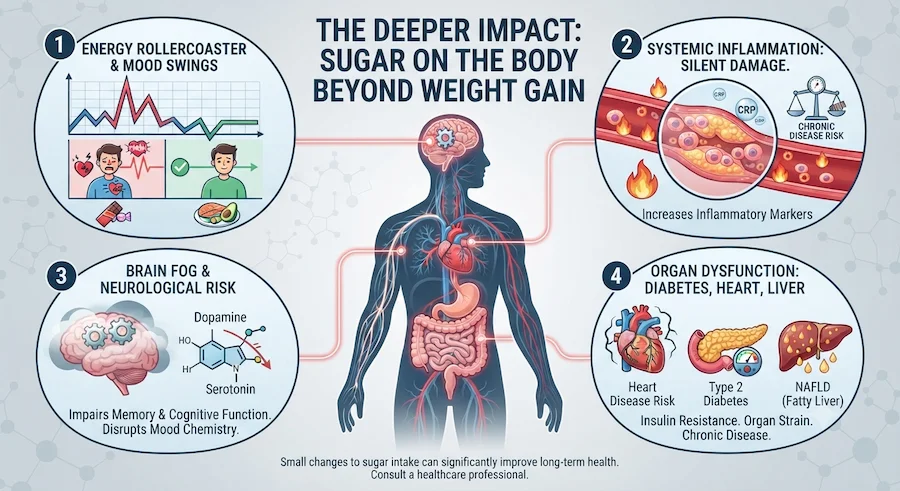
The Impact of Sugar on Your Body: Beyond Weight Gain
Cutting added sugar can smooth energy swings and help brain clarity; in India, swap sweetened coffee and juices for fruit, protein, and fiber.
Read article →
Menopause & Nutrition: Bones, Weight & What to Actually Eat
> The women who do best through perimenopause aren't the ones who change everything. They understand what's happening and make...
Read article →
Comments (0)
No comments yet. Be the first to share your thoughts.
Leave a Comment
Your comment will appear after moderation.