Myths and Facts on Water and Hydration
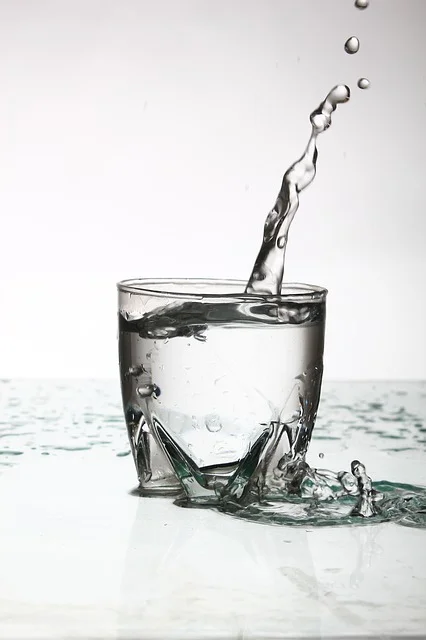
Water is the most undervalued nutrient by humans. Its importance can be ascertained by the fact that scientists search for existence of life only on those planets on which they find evidence of the presence of water. We all need water to live, but how much is a point of discussion. With people giving many benefits of drinking loads of water, what we really need to distinguish between are the myths and facts surrounding water intake.
- Everyone needs to drink eight glasses of water a day: Myth. Though water is the easiest and most economical fluid to keep you hydrated, the latest recommendation is that women should strive for about two litres or eight glasses a day and men should aim for three litres or 12 glasses a day of any fluid, not just water.
- Drinking water flushes toxins from the body: Fact. The kidneys use water to remove certain waste products. If your water intake is poor, your kidneys will not have the amount of fluid they need to do their job properly. The body in such a case would be holding in toxins instead of expelling them, leading to poor health.
- Drinking water can help keep your skin moist: Myth. While it used to be believed that staying properly hydrated leads to youthful, vibrant skin, the reality is that the amount of water you drink probably has little to do with what your skin looks like, unless the individual is severely dehydrated. Water intake may help to some extent in keeping the skin clear by flushing out toxins.
- Drinking water helps you lose weight: Fact. Drinking water will not trigger weight loss, but it can aid in the process because water replaces other calorie-laden beverages in the diet, causing you to reduce your overall number of calories. Plus, it can make you feel fuller, so you may eat less at each meal.
- If you are thirsty, you are already dehydrated: Myth. Thirst does not necessarily mean you are dehydrated. Thirst begins when the concentration of substances in the blood rises by less than 2%, whereas most experts define dehydration when the concentration has risen by at least 5%.
- Excess water can be harmful: Fact. People with certain health conditions can put themselves at risk of complications if they drink too much water. People with some heart conditions, high blood pressure, or oedema need to avoid excess water. Also, those who have a history of kidney problems or have had a transplant should consult their doctors regarding optimal water intake. Excess fluid intake with meals is also not a good idea as it can cause digestion problems.
- You should not reuse plastic water bottles: Fact. Plastic water bottles (read bottles of mineral water or other beverages) can present a couple of risks if you drink their contents and then fill them up time and again and use them for your daily water intake. These bottles leach chemicals into water after multiple uses and thus can be hazardous for health.
- Water helps prevent constipation: Fact. Extra fluids help keep the stool soft and easy to pass, but drinking more liquids does not cure constipation. It prevents constipation, and that too when the diet has sufficient amounts of fiber.
- Tea and coffee dehydrate you: Myth. Though tea and coffee are considered diuretics, they still add to the total fluid intake a person has. Caffeinated beverages do not dehydrate the body if consumed in moderation (five cups or less of cola, coffee, or tea). But a person should be cautious with beverage intake as they can add to calories without notice.
Water is essential for survival. Use these facts to figure out if you need to increase your intake or feel reassured that you are drinking as much as you need.

Shruti Marjara Kushwaha
Nutritionist & Founder, NutriMantra
Shruti blends evidence-based nutrition with practical Indian food guidance, shaped by experience across AIIMS, VLCC, HealthKart, research, counselling, and long-term lifestyle support.
Looking for a sustainable way to lose weight without cutting out real food?
Shruti helps turn nutrition advice into a realistic plan you can follow at home, at work, and while eating out.
Frequently Asked Questions
How much water should I drink daily in an Indian climate?
Does drinking more water help with skin health in India?
Can drinking water help me lose weight in an Indian diet?
Is it true that I should drink water even if I'm not thirsty?
Learn with Shruti



Related Articles

Why Am I Always So Tired? Let's Talk About It
We have all been there. The alarm goes off, and instead of feeling refreshed and ready to take on the day, you are already negotiating with yourself — just fiv…
Read article →
The Role of Hormones in Weight Loss: What Everyone Should Know
“I have tried everything—but the weight just won’t come off!” If you have ever felt this way, you are not alone. And you are not imagining it.
Read article →
Does Apple Cider Vinegar Really Help with Weight Loss?
Apple cider vinegar (ACV) has been hyped as a miracle drink for weight loss — but does it really work, or is it just another trend?
Read article →
Comments (0)
No comments yet. Be the first to share your thoughts.
Leave a Comment
Your comment will appear after moderation.