Omega-3 Fatty Acids & Their Impact on Brain Health

Omega-3 fatty acids have long been recognised as essential nutrients vital for overall health, with a particular spotlight on their role in brain health and cognitive function. Fatty fish like salmon, mackerel, and sardines, along with certain plant sources such as flaxseeds, chia seeds, and walnuts, primarily contain these fatty acids, namely EPA (eicosapentaenoic acid) and DHA (docosahexaenoic acid).
Numerous studies have highlighted the importance of omega-3 fatty acids in supporting brain health throughout life. From early development to aging, these essential nutrients play a crucial role in various aspects of cognitive function, memory, and overall mental well-being.
Early Development and Cognitive Function
During pregnancy and early childhood, omega-3 fatty acids are particularly important for brain development. DHA, in particular, is a major structural component of the brain and retina (retina is the light-sensitive layer of tissue at the back of the eyeball), making it vital for optimal neurological growth and visual function in infants. Maternal consumption of omega-3-rich foods or supplements during pregnancy has been associated with improved cognitive development and reduced risk of developmental disorders in children.
Cognitive Aging and Neuroprotection
As individuals age, maintaining cognitive function becomes increasingly important. Researchers have linked these fatty acids to cognitive preservation and suggest they may help in reducing the risk of age-related cognitive decline, including conditions such as Alzheimer's disease and dementia. Studies suggest that regular consumption of omega-3-rich foods may help protect against cognitive impairment by reducing inflammation, promoting synaptic plasticity (the ability of nerve cells to modify the strength of their connections), and preserving brain volume.
Mood Regulation and Mental Health
Beyond cognitive function, omega-3 fatty acids also play a role in mood regulation and mental health. Research suggests that EPA and DHA may help alleviate symptoms of depression, anxiety, and other mood disorders. Believers attribute modulation of neurotransmitter pathways, reduction of brain inflammation, and promotion of the production of anti-inflammatory compounds to these fatty acids, all contributing to improved mental well-being.
Incorporating Omega-3 Fatty Acids into Your Diet
Given their numerous health benefits, ensuring an adequate intake of omega-3 fatty acids is essential. Incorporating fatty fish into your diet two to three times per week can provide a significant source of EPA and DHA. For those who prefer plant-based options, incorporating flaxseeds, chia seeds, hemp seeds, and walnuts can help boost omega-3 intake.
Additionally, omega-3 supplements are available for individuals who may have difficulty obtaining sufficient amounts through diet alone. However, it's essential to consult with a healthcare professional before starting any supplementation regimen.
Omega-3 fatty acids are indispensable nutrients that play a fundamental role in brain health and cognitive function at every stage of life. From supporting early brain development to preserving cognitive function in later years, these essential fats offer a host of benefits for overall mental well-being. By incorporating omega-3-rich foods into your diet or considering supplementation when necessary, you can harness the power of these vital nutrients to support optimal brain health and cognitive function throughout life.
Image by hainguyenrp from Pixabay

Shruti Marjara Kushwaha
Nutritionist & Founder, NutriMantra
Shruti blends evidence-based nutrition with practical Indian food guidance, shaped by experience across AIIMS, VLCC, HealthKart, research, counselling, and long-term lifestyle support.
Need help applying this to your routine?
Book a consultation with Shruti for practical, personalised nutrition guidance tailored to your goals, food preferences, and health conditions.
Frequently Asked Questions
What are some Indian foods rich in omega-3 fatty acids?
How can I incorporate omega-3 fatty acids into my vegetarian diet?
Do omega-3 supplements really help with brain health?
Can omega-3 fatty acids improve mood and mental health?
Learn with Shruti



Related Articles

Fats: Friend or Foe? The Truth About This Misunderstood Nutrient!
Fat in the diet is avoided when we are trying to lose weight / when cholesterol goes up / when we are conscious about our health / when there's an acne ou t br…
Read article →
Are You Cooking the Nutrition Out of Your Food?
Cooking doesn’t automatically drain nutrition. Use less water, avoid overcooking, and remember that dal, sambar and curries retain nutrients in their cooking liquid.
Read article →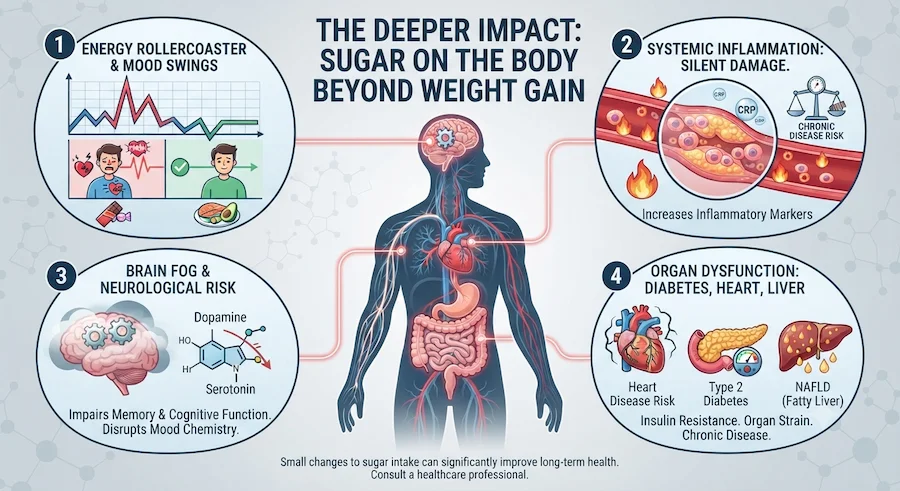
The Impact of Sugar on Your Body: Beyond Weight Gain
Cutting added sugar can smooth energy swings and help brain clarity; in India, swap sweetened coffee and juices for fruit, protein, and fiber.
Read article →
Comments (0)
No comments yet. Be the first to share your thoughts.
Leave a Comment
Your comment will appear after moderation.