Mastering portion sizes & practicing mindful eating

In today's fast-paced world, where oversized portions and mindless eating have become the norm, mastering portion sizes and practising mindful eating is an essential step towards achieving a balanced and healthy lifestyle. Portion control and mindfulness not only aids in weight management but also enhances our relationship with food. It leads to better digestion, increased satisfaction, and a stronger connection with our body's signals.
In this post, we are going to delve into the science behind portion sizes and explore effective mindful eating practices that can transform the way we have meals.
Portion Size
It is no secret that portion sizes have grown significantly over the past few decades. A small drink at the local fast-food joint today was considered a large drink just a generation ago. This portion size inflation has unintentionally contributed to overeating and weight gain.
Understanding portion sizes involves familiarising ourselves with what a healthy serving looks like. Visual cues and basic measurements can serve as handy guides. E.g. a serving of lean protein (like chicken or fish) is about the size of a deck of cards, a half cup of cooked rice or pasta is roughly the size of a computer mouse, and a tablespoon of oil is comparable to a poker chip.

Familiarizing ourselves with these visuals can help us regulate our intake and make more informed choices.
Mindful Eating
Mindful Eating is about slowing down and fully engaging our senses in the eating experience. In today's time we are often having our meals hastily and in front of screens. Mindful eating encourages us to reconnect with the present moment, enhancing our appreciation of food and its effects on our bodies.
Engage All Your Senses: Before taking the first bite, take a moment to appreciate the colour, texture, and aroma of your meal. Engaging multiple senses can heighten our enjoyment and lead to a more satisfying eating experience.
Chew Thoroughly: The act of chewing not only aids digestion but also allows us to savour each bite. Aim for around 15-20 chews per mouthful, this gives our body ample time to signal when it has had enough.
Put Down the Fork: Place your cutlery down every now and then and take a breath. This small pause encourages you to tune into your body's signals of fullness and prevents overeating.
Eat Without Distractions: Turn off the TV, put away your phone, and create a serene environment for your meals. Distractions hinder our ability to recognize when we are satisfied. This often leads to mindless overeating.
When we combine the principles of portion control with mindful eating practices, we harness the power to reshape our relationship with food. By becoming more attuned to our body's cues and recognizing the difference between hunger and emotional triggers, we can make more conscious choices that align with our health goals.
So, let us embark on this journey of self-discovery and transformation, one mindful bite at a time.

Shruti Marjara Kushwaha
Nutritionist & Founder, NutriMantra
Shruti blends evidence-based nutrition with practical Indian food guidance, shaped by experience across AIIMS, VLCC, HealthKart, research, counselling, and long-term lifestyle support.
Looking for a sustainable way to lose weight without cutting out real food?
Shruti helps turn nutrition advice into a realistic plan you can follow at home, at work, and while eating out.
Frequently Asked Questions
What are some practical tips for controlling portion sizes when eating Indian meals?
How can I practice mindful eating with traditional Indian foods?
Is it true that eating slowly can help with weight management?
What are some common myths about portion sizes in Indian cuisine?
Learn with Shruti



Related Articles
Benefits of Mindful Eating & Its Impact on our Health
In a world where fast-paced lifestyles and busy schedules often dictate our eating habits, mindful eating offers a refreshing approach to nourishing both body…
Read article →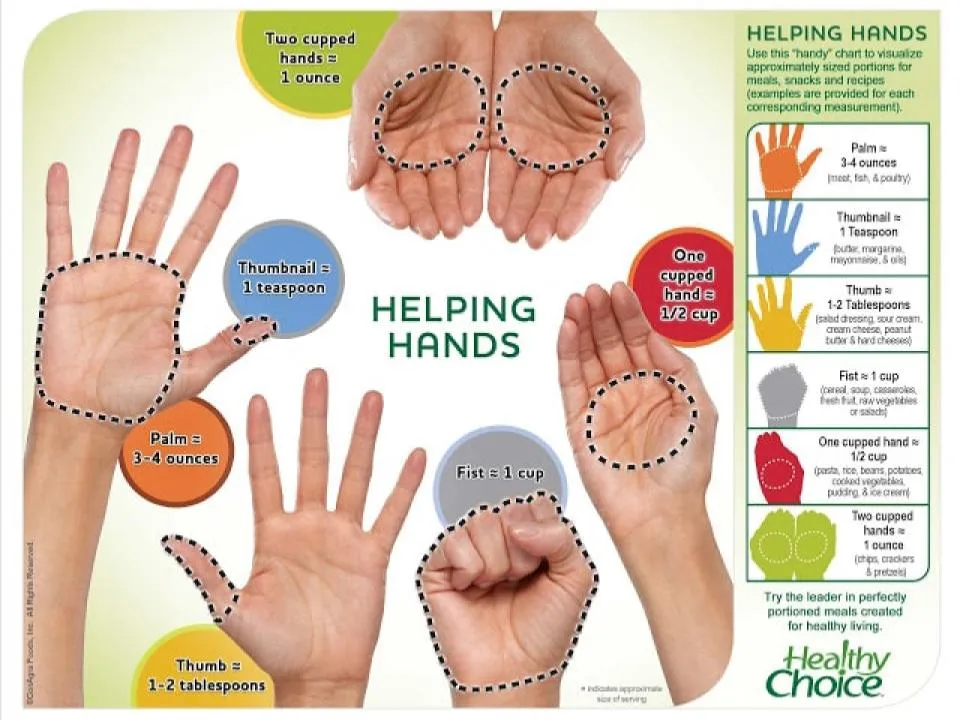
The Art of Portion Control: Eat Smart Without Feeling Deprived
Have you ever opened a family-size packet of chips and finished it in one go? You didn’t plan to finish it, but it happened anyway.
Read article →
Debunking Common Myths About Nutrition & Weight Loss
When it comes to nutrition and weight loss, myths and misconceptions are everywhere. These facts can often lead us down the wrong path, making it harder to rea…
Read article →
Comments (0)
No comments yet. Be the first to share your thoughts.
Leave a Comment
Your comment will appear after moderation.