Rhodiola rosea: The golden root
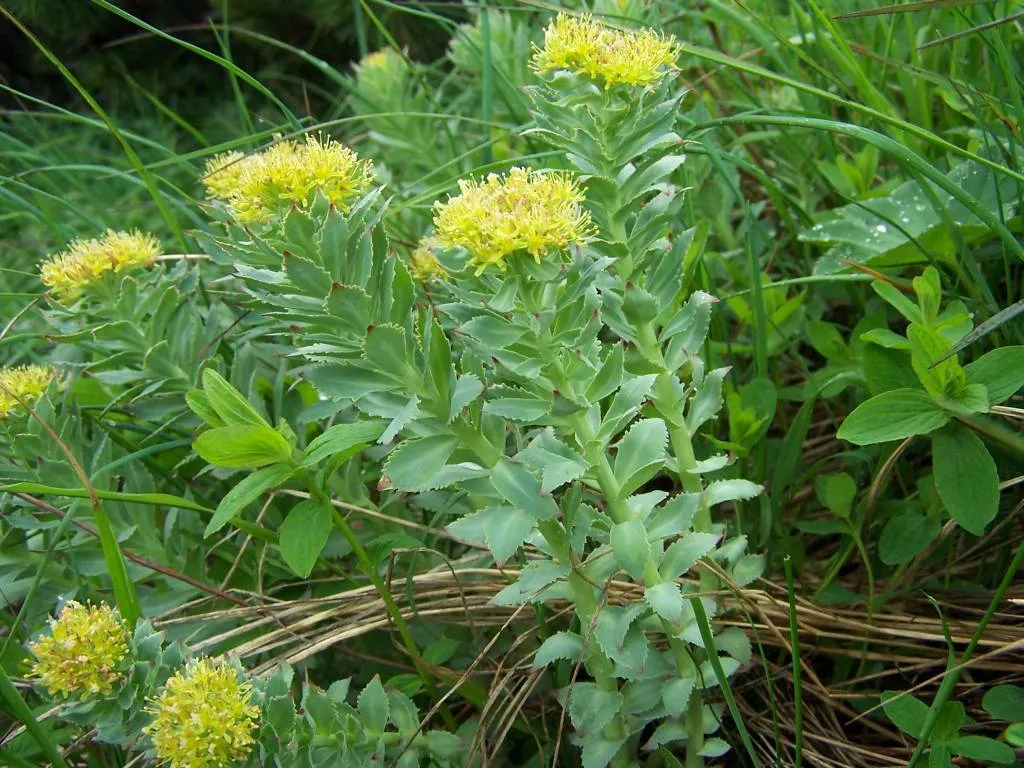
Rhodiola rosea also known as "golden root" or "roseroot" belongs to the plant family Crassulaceae and is found primarily in arctic areas of Europe, Alaska and Asia. It has a long history of use as a medicinal plant in Iceland, Sweden, France, Russia, and Greece. It is mentioned by the Greek physician Dioscorides as early as the first century AD.
Rhodiola is used for many conditions, but so far, there isn’t enough scientific evidence to determine whether or not it is effective for any of them. It is used for increasing energy, stamina, strength and mental capacity; and as a so-called “adaptogen” to help the body adapt to and resist physical, chemical, and environmental stress. It is also used for improving athletic performance, shortening recovery time after long workouts, improving sexual function; for depression; and for heart disorders such as irregular heartbeat and high cholesterol
Rhodiola extracts might help protect cells from damage, regulate heartbeat, and have the potential for improving learning and memory. However, none of these effects have been studied in humans. Rhodiola is currently marketed under the brand names of Rhodax, Rosavin, and Arctic root, to name a few.
Does it work? Research regarding R. rosea efficacy is contradictory. While some evidence suggests that the herb may be helpful for enhancing physical performance and alleviating mental fatigue, methodological flaws limit accurate assessment of efficacy. A rigorously-designed well reported randomised controlled trial that minimizes bias is needed to determine true efficacy of Rhodiola rosea for fatigue.
A number of brands exist in the market which provides 50-680 mg of Rhodiola. The average dose of Rhodiola rosea is between 200 mg and 400 mg per day of an extract that is standardized to contain rosavins and salidrosides in a 3:1 ratio. This mimics the ratio of these compounds that naturally occur in R. rosea root. The formulations available in market are quantified depending on the end use.
Is it safe? Rhodiola is possibly safe when taken by mouth, short-term (for up to 6-10 weeks). The safety of long-term use is not known. The potential side effects of rhodiola are not known. When taken orally, rhodiola may cause dizziness, dry mouth, and headaches in some people. People can have allergic reactions to rhodiola. Rhodiola rosea has an excellent safety profile, according to a study reported in "The Journal of the American Botanical Council." The lethal dose of Rhodiola rosea has been determined by animal toxicity studies to be 3,360 mg/kg. The toxic dose for an average 70 kg adult would be around 235,000 mg, and with clinical doses around 200 to 600 mg per day, patients likely have no need to worry about a fatal overdose.
Is it healthy? Because of the lack of long term research and trials on humans it cannot be ascertained that whether Rhodiola rosea’s intake is healthy. Clinical trials on the affectivity and safety of Rhodiola rosea in humans are lacking. Nothing can be said with conviction regarding the efficacy of rhodiola for improving endurance or reducing stress and other documented benefits. The research on the functioning does indicate that it might benefit athletes to some extent but this belief in the herb needs to be further strengthened by having more randomised control trials.
Picture Coutesy: Opio?a Jerzy

Shruti Marjara Kushwaha
Nutritionist & Founder, NutriMantra
Shruti blends evidence-based nutrition with practical Indian food guidance, shaped by experience across AIIMS, VLCC, HealthKart, research, counselling, and long-term lifestyle support.
Need help applying this to your routine?
Book a consultation with Shruti for practical, personalised nutrition guidance tailored to your goals, food preferences, and health conditions.
Frequently Asked Questions
What are the health benefits of Rhodiola rosea for Indian athletes?
Can Rhodiola rosea help with stress management in Indian students?
Is Rhodiola rosea safe to use with Indian herbal remedies?
How can I include Rhodiola rosea in my Indian diet?
Learn with Shruti

Related Articles
Are You Cooking the Nutrition Out of Your Food?
Cooking doesn’t automatically drain nutrition. Use less water, avoid overcooking, and remember that dal, sambar and curries retain nutrients in their cooking liquid.
Read article →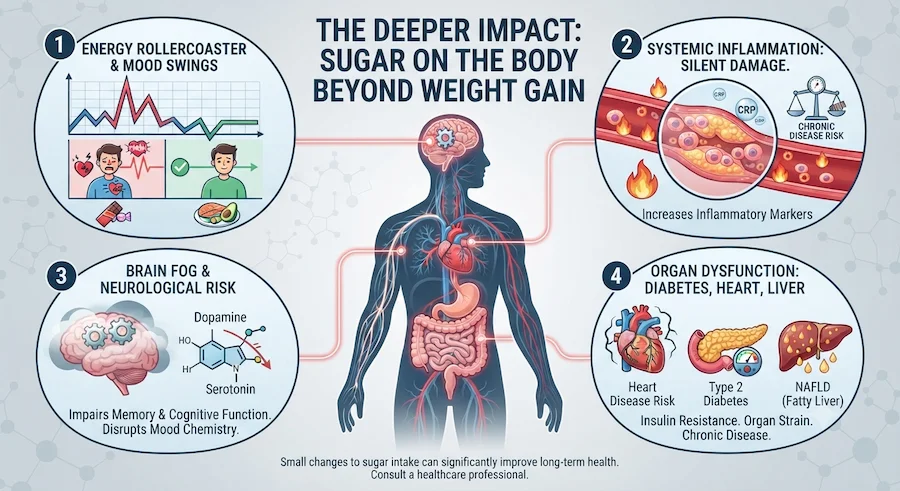
The Impact of Sugar on Your Body: Beyond Weight Gain
Cutting added sugar can smooth energy swings and help brain clarity; in India, swap sweetened coffee and juices for fruit, protein, and fiber.
Read article →
Menopause & Nutrition: Bones, Weight & What to Actually Eat
> The women who do best through perimenopause aren't the ones who change everything. They understand what's happening and make...
Read article →
Comments (0)
No comments yet. Be the first to share your thoughts.
Leave a Comment
Your comment will appear after moderation.