I Have Celiac Disease... What Can I Eat?
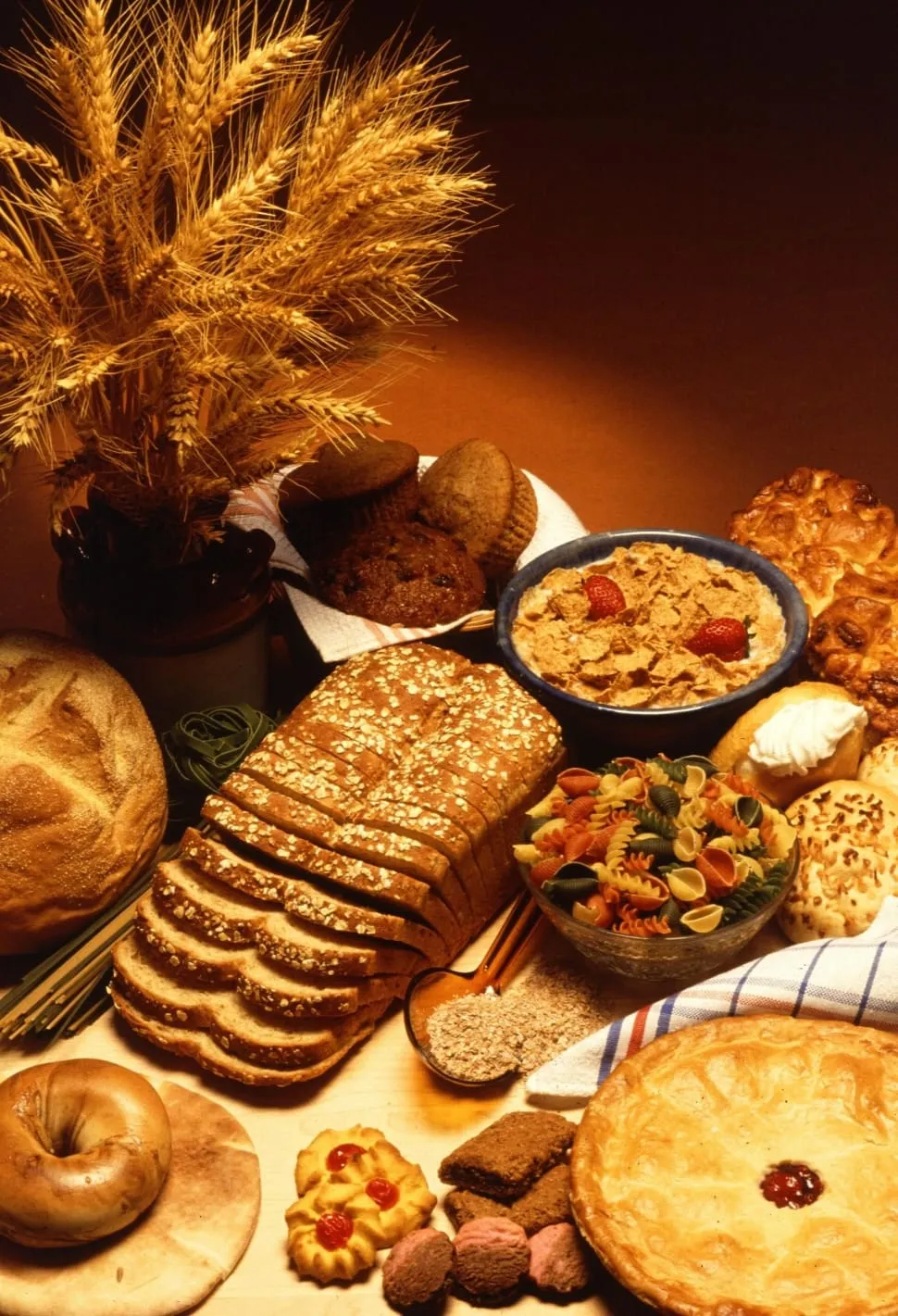
Well... Most of the things pictured here... YOU CAN... provided they are not made with wheat, rye or barley. Being a North Indian I cannot imagine my life without wheat. Alas!!! Wheat, rye and barley (sometimes oats) need to be avoided by those suffering from celiac disease (Read more on celiac disease). A gluten-sensitive person should follow more than just avoiding wheat, oats, barley, etc. in their diet.
A gluten-sensitive person needs to inform themselves about their condition, symptoms, and foods containing gluten. In today’s era of packaged and processed foods, it is not very difficult to know the ingredients because these foods carry excellent educational labels which mention the ingredients as well as allergy information.
But sometimes, hidden gluten-containing foods can be present, and manufacturers might not mention them on the labels. So, individuals who are sensitive to this protein should take care when consuming any processed or preserved food. Here is a non-exhaustive list of foods that people with gluten sensitivity are allowed to consume, not allowed to consume, and should include with caution.
You may consume following foods without any side effects
- Milk Products: Milk, cream, buttermilk, plain yoghurt, processed cheese, paneer
- Grains: Products containing amaranth (chaulai), arrowroot, buckwheat (kuttu), corn, beans, lentil, rice, sago, sorghum (jowar), soy, pearl millet (bajra), water chestnut flour (singhare ka atta)
- Flesh foods: Meat, Fish, Chicken, Egg (Fresh)
- Fruits and vegetables: Fresh, frozen, canned fruits vegetables and their juices.
- Soups: Homemade
- Desserts: Ice cream, egg custards, gelatin desserts, cakes, cookies, pastries made with allowed grains
- Tea, coffee, cocoa, soft drinks, alcoholic beverages like rum, gin, whiskey, vodka, wine.
- Plain pickles, ketchup, pure herbs, spices, vinegar
To be consumed with care (might contain gluten)
- Milk Products: Milk-based drinks, flavoured/frozen yoghurt, sour cream, cheese sauces & spreads
- Flesh foods: Prepared / preserved meats such as ham, bacon, frozen meat patties, sausages, salami, egg substitutes
- Fruits and vegetables: Fruits or vegetables with sauces. French-fries (from restaurants)
- Soups: Canned soups, dried soup mixes
- Desserts: Milk puddings, custard powder, pudding mixes
- Instant tea, coffee substitutes, fruit-flavoured drinks, chocolate drinks & mixes, flavoured & herbal teas
- Seasoning mixes
Do Not Consume
- Milk Products: Malted Milk
- Grains: Products containing wheat, rye, barley, oats
- Flesh foods: Canned fish containing wheat protein
- Fruits and vegetables: Scalloped potatoes (containing wheat flour), Battered dipped vegetables
- Soups: Soups made with restricted ingredients
- Desserts: Ice cream with cones
- Beer and malted beverages; beverages made with barley or oats
- Soy sauce, Malt vinegar, Worcestershire sauce
It is extremely important for you, if you are sensitive to gluten, to read labels before buying and consuming processed foods. As a celiac patient, you should never indulge in even occasional intake of gluten-containing foods. Proper knowledge and care can keep you away from frequent symptoms and improve the quality of your life.
Will be updating few recipe options for gluten sensitive people soon. Take care.

Shruti Marjara Kushwaha
Nutritionist & Founder, NutriMantra
Shruti blends evidence-based nutrition with practical Indian food guidance, shaped by experience across AIIMS, VLCC, HealthKart, research, counselling, and long-term lifestyle support.
Need help applying this to your routine?
Book a consultation with Shruti for practical, personalised nutrition guidance tailored to your goals, food preferences, and health conditions.
Frequently Asked Questions
What Indian foods can I eat if I have celiac disease?
Are there gluten-free alternatives for popular Indian snacks?
How can I ensure that packaged foods I buy are gluten-free?
What are some common myths about celiac disease and gluten sensitivity in India?
Learn with Shruti
Related Articles
Are You Cooking the Nutrition Out of Your Food?
Cooking doesn’t automatically drain nutrition. Use less water, avoid overcooking, and remember that dal, sambar and curries retain nutrients in their cooking liquid.
Read article →
The Impact of Sugar on Your Body: Beyond Weight Gain
Cutting added sugar can smooth energy swings and help brain clarity; in India, swap sweetened coffee and juices for fruit, protein, and fiber.
Read article →
Menopause & Nutrition: Bones, Weight & What to Actually Eat
> The women who do best through perimenopause aren't the ones who change everything. They understand what's happening and make...
Read article →
Comments (0)
No comments yet. Be the first to share your thoughts.
Leave a Comment
Your comment will appear after moderation.