Curtail pesticides in your diet
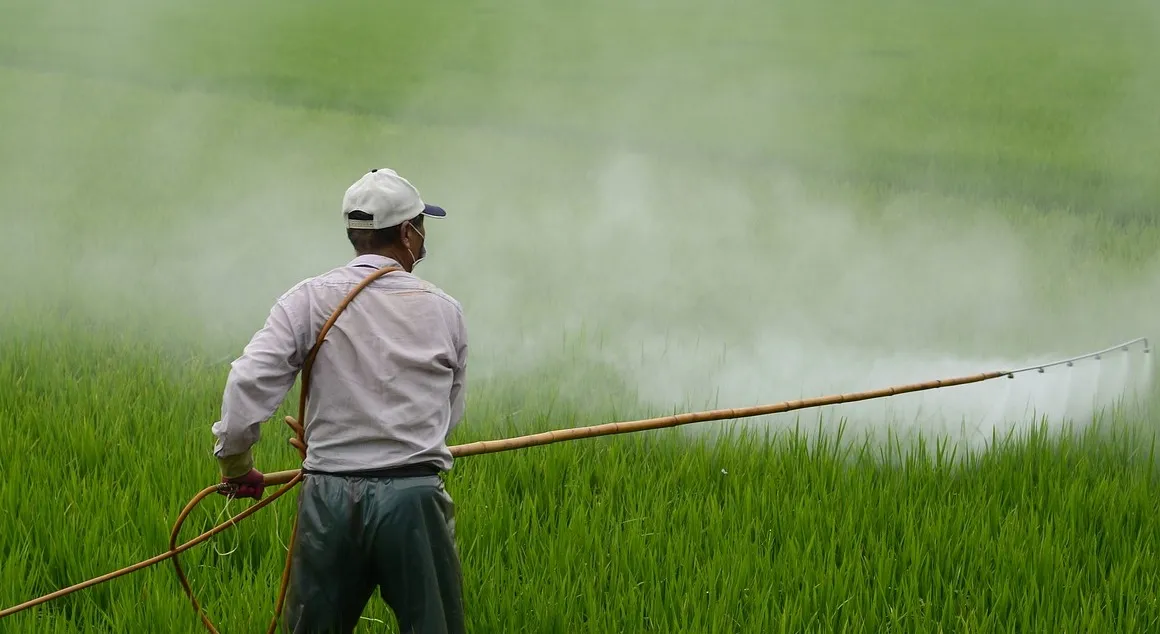
Science and technology brought in pesticides, which are a boon to farmers. They were designed to control the damage caused by pests, and have contributed to reducing diseases in crops and increasing food production worldwide. But the availability and widespread use of pesticides also has the potential to pose unexpected risks, both directly and indirectly, to our health.
Recently many advocacy groups and NGOs conducted random testing on fruits and vegetables and found unacceptably high amounts of pesticide residue in them. According to the Centre for Science and Environment (CSE), "high levels of pesticide residues can be toxic enough to cause long-term cancer, damage to the nervous and reproductive systems, birth defects, and severe disruption of the immune system." Pesticides affect different people differently. Children may be more sensitive to some pesticides than adults. Compared to adults, they breathe in more air and eat more food relative to their body size, increasing their exposure. Also, their developing bodies may not break down some chemicals as effectively as adults.
While steps are being taken by the government to sensitize farmers and vendors about the side effects of using pesticides, health experts suggest that consumers should explore alternatives like organic food. Even though the mere presence of pesticide residue in food does not imply that they pose a great health risk, we should be careful of what and where we buy it from. We can certainly try following the below mentioned measures to minimise pesticides in the food we eat.
- Buy organic and locally grown fruit and vegetables: Buying organic, in-season produce from your local market is the best assurance of pesticide-free produce. If you are on a limited budget, look for organic choices for the produce your family eats the most. Surveys have also shown that fruits and vegetables from farmers’ markets contain fewer pesticides even if they are not organic.
- Wash fruits and vegetables before eating: Commercial vegetable and fruit washes are available which are formulated to remove chemical residue from produce or you can also make your own fruit and vegetables wash.
- Using water and potassium permanganate (locally called lal dawai): 100 ml of warm water mixed with 1mg of potassium permanganate effectively removes most of the chemicals as well as microbes.
- According to the CSE, washing food with 2% of salt water (2g salt in 100 ml water) will remove most of the contact pesticide residues that normally appear on the surface of the vegetables and fruits.
- Make a solution with 10 parts white vinegar and 90 parts water and soak vegetables and fruits in it. Be careful while washing fruits like berries, and those with a thin peel as the solution might damage their outer-skin.
Also use a soft brush to scrub the firm fruits and vegetables and then rinse with slightly warm water. Be more thorough with these fruits: grapes, apples, guava, plums, mangoes, peaches and pears and vegetables like tomatoes, brinjal and ladies finger as they might carry more residue in their crevices.
- Eat a variety of fruits and vegetables to minimize the potential of increased exposure to a single pesticide because specific pesticides are used for specific food crops. Eating a diet with many different fruits, vegetables and grains is a healthy practice in itself.
- Discard the outer layer of leafy vegetables, such as lettuce or cabbage.
- Peel fruits and vegetables whenever possible. Peeling is another efficient way to remove residue and comes highly recommended especially when there might be some residue in the crevices of the fruit.
- Trim fat and skin from meat, poultry, and fish to minimize pesticide residue that may have got accumulated in the fat.
- Use ozone purifiers: Another way to improve the safety of fresh produce is to wash vegetables and fruits using vegetable purifiers. Ozonisation apart from removing pesticides is also instrumental in decreasing the microbial count present on the fruits and vegetables.
As mentioned by many agricultural scientists and agriculturists spraying of pesticides is important for agricultural produce to be enough for the entire population. But we can surely prevent the mal-effects by following adequate cleaning procedures. In addition, you may consider growing your own garden, or participating in a community garden. This will allow you to control which pesticides, if any, are used on the food you eat.

Shruti Marjara Kushwaha
Nutritionist & Founder, NutriMantra
Shruti blends evidence-based nutrition with practical Indian food guidance, shaped by experience across AIIMS, VLCC, HealthKart, research, counselling, and long-term lifestyle support.
Need help applying this to your routine?
Book a consultation with Shruti for practical, personalised nutrition guidance tailored to your goals, food preferences, and health conditions.
Frequently Asked Questions
How can I reduce pesticide exposure in my daily diet in India?
Are organic fruits and vegetables worth the extra cost in India?
What are some effective ways to wash fruits and vegetables to remove pesticides?
Is it safe to eat fruits and vegetables with visible pesticide residues?
Learn with Shruti


Related Articles
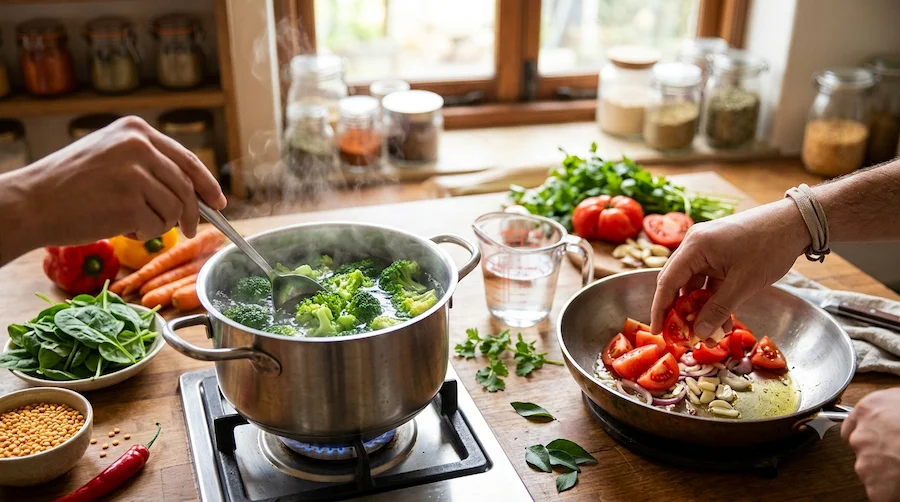
Are You Cooking the Nutrition Out of Your Food?
Cooking doesn’t automatically drain nutrition. Use less water, avoid overcooking, and remember that dal, sambar and curries retain nutrients in their cooking liquid.
Read article →
The Impact of Sugar on Your Body: Beyond Weight Gain
Cutting added sugar can smooth energy swings and help brain clarity; in India, swap sweetened coffee and juices for fruit, protein, and fiber.
Read article →
Menopause & Nutrition: Bones, Weight & What to Actually Eat
> The women who do best through perimenopause aren't the ones who change everything. They understand what's happening and make...
Read article →
Comments (0)
No comments yet. Be the first to share your thoughts.
Leave a Comment
Your comment will appear after moderation.