
Diabetes and Carbohydrate Counting
 World Diabetes Day is the primary global awareness campaign for diabetes and is held on November 14 each year. It was introduced in 1991 by the International Diabetes Federation and the World Health Organization in response to the alarming rise of diabetes around the world. There were 62 million diabetics in India in 2014, according to CDC, which is equivalent to Italy’s population. We all know that lifestyle modification is the key to prevent this disease, but those who are already suffering with it can resort to carbohydrate counting to keep the diabetes related complications at bay.
Carbohydrate counting is a meal planning tool for people with diabetes. It involves keeping track of the amount of carbohydrate in the foods we eat each day. Carbohydrates are one of the main nutrients found in food and drinks; protein and fat being the other two. Carbohydrate counting can help a person in controlling blood sugar levels because carbohydrates affect blood glucose more than other nutrients. The amount of carbohydrate in foods is measured in grams. To count grams of carbohydrate in foods you eat, you will need to
- know which foods contain carbohydrates
- learn to estimate the number of grams of carbohydrate in the foods you eat
- add up the number of grams of carbohydrate from each food you eat to get your total for the day
Foods that contain carbohydrates
- grains, such as bread, noodles, pasta, breakfast cereals, rice, wheat
- fruits, such as apples, bananas, mangoes, melons, and oranges
- milk and other dairy products
- legumes, lentils, and peas
- snack foods and sweets, such as cakes, cookies, candies, and other desserts
- juices, soft drinks, fruit drinks, sports drinks and other energy drinks that contain sugars
- vegetables, especially “starchy” vegetables such as potatoes, corn, colocasia (arbi), sweet potato, yam (zimikand) and peas
How much carbohydrate do I need each day?
The daily amount of carbohydrate, protein, and fat for people with diabetes has not been defined—what is best for one person may not be good for another. Everyone needs to get enough carbohydrate to meet the body’s needs for energy, vitamins, minerals and fiber. Experts suggest that carbohydrate intake for most people should be between 45 and 65% of total calories.
One gram of carbohydrate provides about 4 calories, so you will have to divide the number of calories you want to get from carbohydrates by 4 to get the number of grams. For example, if you are required to eat 1,500 calories per day and get 50% of your calories from carbohydrates, you would calculate the required carbohydrate amount as follows:
- 50 x 1,500 calories = 750 calories
- 750 ÷ 4 = 187.5 grams of carbohydrate
You then need to divide these 190 g throughout the day. A dietician or diabetes educator can help you learn what foods to eat, how much to eat, and when to eat based on your weight, activity level, medicines, and blood glucose targets.
How to find out carbohydrate content of foods you eat?
You will need to learn to estimate the amount of carbohydrate in foods you typically eat. For example, the following amounts of carbohydrate-rich foods each contain about 15 grams of carbohydrate:
- 1 slice of bread
- 1/3rd cup of pasta / rice
- ½ cup of canned or fresh fruit or fruit juice or one small piece of fresh fruit, such as a small apple or orange
- ½ cup of starchy vegetables such as mashed potatoes, cooked corn, peas, or beans
- ¾ cup of dry cereal or ½ cup cooked cereal
Some foods are so low in carbohydrates that you may not have to count them unless you eat large amounts e.g. most non-starchy vegetables are low in carbohydrates. A ½ cup serving of cooked non-starchy vegetables or a cup of raw vegetables has only about 5 grams of carbohydrate. Also you can find out how many grams of carbohydrate are in the foods you eat by checking the nutrition labels on food packages. You can use books or websites that list the carbohydrate content of food items to estimate the amount of carbohydrate in a serving.
How to know whether carbohydrate counting is working for you or not?
Checking blood glucose levels regularly can help you in knowing whether carbohydrate counting is working for you. You should also have an HbA1C blood (glycosylated haemoglobin) test at least twice a year. This test reflects the average amount of glucose in your blood during the past 3 months. If the blood glucose levels are too high, you may need to make wiser food choices, be more physically active, or make changes to your diabetes medicines.
More help with carbohydrate counting
The Internet has carbohydrate counting tools that let you enter a type of food and find out what nutrients the food contains, including carbohydrates. Try visiting these sites:

Shruti Marjara Kushwaha
Nutritionist & Founder, NutriMantra
Shruti blends evidence-based nutrition with practical Indian food guidance, shaped by experience across AIIMS, VLCC, HealthKart, research, counselling, and long-term lifestyle support.
Need a realistic meal plan for diabetes or prediabetes?
Book a consultation for personalised guidance on Indian meals, portions, timings, and long-term blood sugar management.
Frequently Asked Questions
What are the best Indian foods for carbohydrate counting in diabetes?
How can I estimate carbohydrate content in traditional Indian meals?
Is it necessary to avoid all carbohydrates if I have diabetes?
What are some myths about carbohydrate counting for diabetes management?
Learn with Shruti


Related Articles

Are You Cooking the Nutrition Out of Your Food?
Cooking doesn’t automatically drain nutrition. Use less water, avoid overcooking, and remember that dal, sambar and curries retain nutrients in their cooking liquid.
Read article →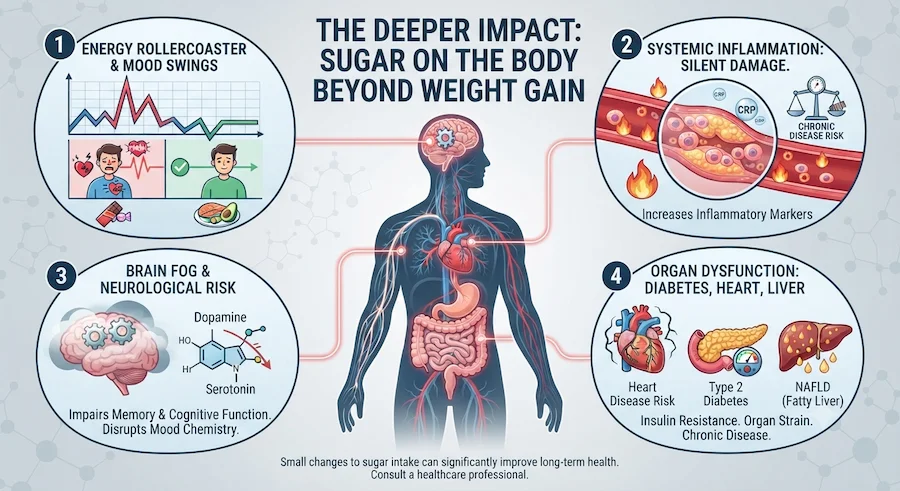
The Impact of Sugar on Your Body: Beyond Weight Gain
Cutting added sugar can smooth energy swings and help brain clarity; in India, swap sweetened coffee and juices for fruit, protein, and fiber.
Read article →
Menopause & Nutrition: Bones, Weight & What to Actually Eat
> The women who do best through perimenopause aren't the ones who change everything. They understand what's happening and make...
Read article →
Comments (0)
No comments yet. Be the first to share your thoughts.
Leave a Comment
Your comment will appear after moderation.